
Automotive Locksmith
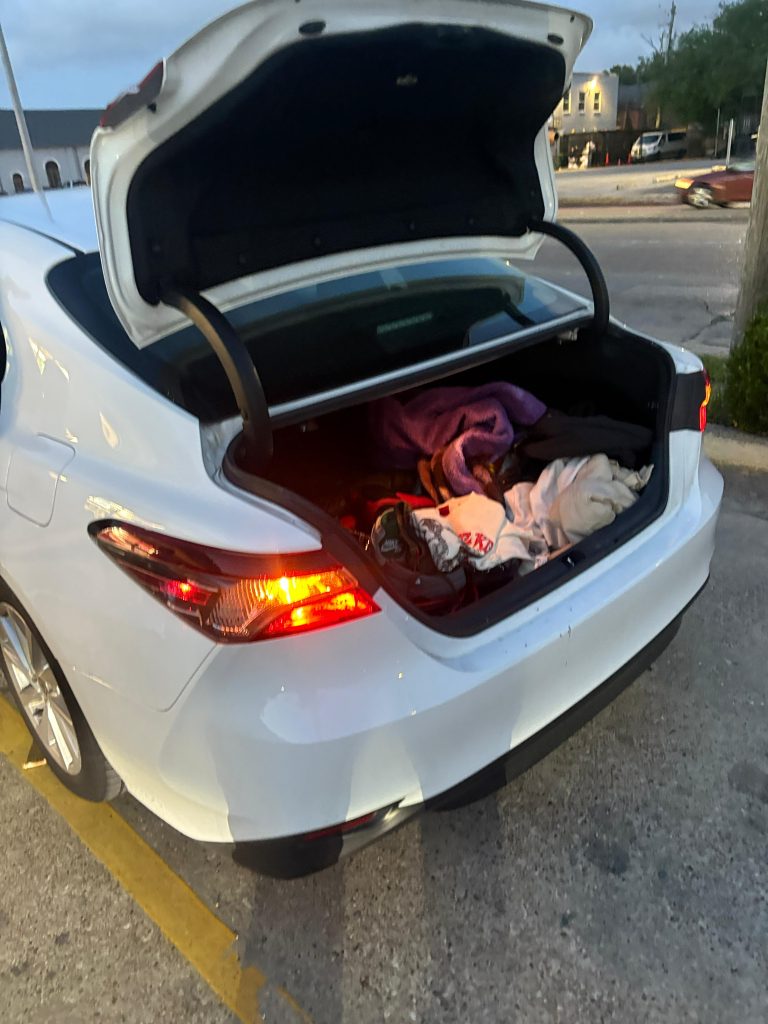
Keys Locked in the Trunk? What Drivers Should Do Next
Keys locked in the trunk can leave you stranded fast. Check safe access options first, avoid forcing entry, and choose reliable help.
License Number: B03034501
ASAP Locksmith installs commercial access control systems in Houston for offices and properties needing controlled entry, user access, and secure hardware.

ASAP Locksmith provides Commercial Access control systems in Houston that help businesses control who enters, where they can go, and when access is allowed. We install, update, and manage systems for offices, warehouses, retail sites, and other workspaces across Houston, TX, with practical setups that fit daily operations.
Access control gives your business better control over entry points. Commercial access control systems replace or support standard keys with managed entry tools. That can include key cards, fobs, keypad codes, mobile credentials, electric strikes, magnetic locks, door readers, intercoms, and audit tracking. Instead of passing around copies of one key, you decide who gets in, which doors they can use, and what times they are allowed access.
For many Houston businesses, this is less about fancy tech and more about solving everyday problems. Lost keys. Former staff. Unlocked side doors. Delivery access. Tenant turnover. A door that should stay secure but still needs smooth traffic flow. If any of that sounds familiar, your building may be ready for a better entry system.
ASAP Locksmith helps business owners, property managers, office admins, and facility teams set up access control in a way that makes sense. We look at how people actually move through your space and build a practical plan around that.
A business usually starts looking at access control after a repeat problem. Maybe keys keep getting copied. Maybe staff changes happen often. Maybe one door is always getting propped open with a trash can, which is never a great security plan. A managed system can help you handle many of these issues along with support from a broader commercial locksmith service.
Do you still rely on a ring full of keys and handwritten notes about who has what? That works until it really does not. In many cases, managed entry works even better when paired with services like commercial lock rekeying or commercial lock replacement for doors that already have hardware issues.
Many commercial properties in Houston, Texas already show signs that the current setup is falling behind. You may not need a full replacement at every door, but certain issues point to the need for a review. A review can also uncover doors that need commercial lock repair before new access hardware is added.
If one or more of these are happening, it may be time to talk through your options. A smarter system can often make daily operations easier, not harder. For multi tenant properties in TX, this can be especially helpful alongside support from a locksmith for buildings.
Not every business needs the same setup. A medical office has different access needs than a retail store. A warehouse with delivery traffic needs something different from a quiet professional office. The goal is to match the hardware and control method to the space.
ASAP Locksmith can help with many types of Commercial Access control systems, including solutions that overlap with commercial keyless entry systems and entry hardware updates.
Some businesses need a simple one door system. Others need several doors working together under one management setup. We help you sort out what is practical for your site without turning the whole place into a spaceship.
A good access control install starts with the door itself. The frame, lock type, fire rating, swing direction, existing hardware, and power path all matter. If the door is not suited for the hardware, the system may not work the way you expect. That is why some openings also need commercial lock installation or hardware corrections first.
This part matters because two doors may look similar but need very different hardware. A hollow metal storefront door is not the same as a wood office door or a rear steel service door.
The physical opening affects what will work well long term. When a door, frame, closer, or latch is already struggling, adding credentials alone will not solve the problem. In many Texas properties, a practical plan starts with correcting the opening and then building the access setup around it.
Most business owners want to know what happens during the job. Fair question. Nobody wants a mystery crew drilling into doors without a clear process. A well planned project may also involve related hardware such as panic bar installation or exit device installation where needed.
If your business needs work done with minimal disruption, we can plan around office hours and traffic flow as much as the site allows. Some jobs are simple. Some need more coordination, especially in active commercial spaces.
Clear scheduling, access to the right doors, and a contact person on site help the work move more smoothly for busy Houston businesses.
This is where many business owners get stuck. They know they want controlled access, but they are not sure what belongs on each door. The answer depends on safety, traffic, construction, and use. The right mix may include keyless entry systems, upgraded locksets, or controlled release hardware.
A keypad lock or keypad plus lever setup can be a good fit for smaller offices, employee only rooms, and lower traffic doors. It avoids physical key handoffs and makes code changes easier than lock rekeying.
Card and fob access is common in offices, schools, mixed use properties, and buildings with several user groups. It gives you cleaner control over who can go where and often works as part of broader commercial access control systems.
Electric strikes release the latch when the system grants access. They are often used with cylindrical locks, mortise locks, and some commercial entry doors. They can be a good choice for many business settings and may be part of a larger commercial lock installation plan.
Mag locks are used in certain commercial applications, often with proper exit devices and life safety planning. They can be useful for some glass doors, aluminum storefronts, and other openings where strike use is limited.
A lot of people think access control is only about the lock. The real daily value often comes from managing users. You can add a new employee, remove a former one, set schedules, and limit room access without chasing keys all over Houston. For some businesses, that reduces the need for repeated commercial lock rekeying after every staffing change.
Have you ever had to ask three people if they turned in their keys, then still wondered if one copy was missing? That is where better user control saves time and stress.
Houston has a wide mix of commercial properties. Some have modern storefront systems. Some have aging frames, patched wiring, sagging doors, or hardware that has seen better days. A new access setup has to work with the real condition of the building. In some cases, the first step is support from a commercial lock repair service.
These details matter. If a door does not close right, even the best reader will not fix that. The opening has to work properly first.
Houston weather is hard on exterior doors and hardware. Heat, humidity, rain, and heavy daily use can all affect performance over time. That is why product choice and door condition matter so much. Exterior doors may also need attention similar to commercial lock replacement when wear has already affected function.
If your property has a back door that gets slammed fifty times a day by staff and deliveries, the hardware needs to fit real life. Pretty specs on paper do not hold a door shut.
Before installation, it helps to answer a few basic questions. These answers shape the setup and keep the system useful after day one. They also make it easier to decide whether you need features like intercom systems for visitor handling.
A little planning now can save headaches later. It is much easier to set clean rules at the start than to patch together exceptions every month.
Some companies need a simple secure entry point. Others need several doors, restricted rooms, and user scheduling. ASAP Locksmith focuses on what fits the site and the daily routine instead of pushing parts you do not need.
The goal is simple. Build an access system your team can actually use and manage. We also help businesses that need related services from a commercial locksmith in Houston and across Texas.
Access control is not a one time thought for most companies. Staff changes. Office layouts change. A storage room becomes an IT room. A rear door starts handling deliveries. Your system should be easy to adjust as your business changes.
Commercial Access control systems in Houston are often most useful when they can grow with the building and the team using them. As changes happen, some sites also need follow up work such as commercial lock repair or added keyless entry systems.
You do not need to do much before we arrive, but a little prep helps. Clear access to the doors, hardware, and any control areas can save time during the visit.
If the building has multiple suites or restricted rooms, a quick walkthrough plan helps too. No one enjoys playing hallway hide and seek in an office maze. Larger sites in Texas can benefit from planning similar to projects handled by a locksmith for buildings.
Entry control should never ignore safe exit from the building. Commercial doors often involve panic devices, closers, fire rated openings, and other hardware rules that affect what can be installed and how it should function. That is one reason projects may involve push bars or updated exit hardware.
That is why door review matters before parts are added. A system has to control entry while still supporting proper egress and normal building use. If a door already has hardware problems, those should be addressed as part of the plan, sometimes through crash bar installation or other commercial door corrections.
Many access problems begin with the physical door, not the credential itself. A sticking latch, weak closer, loose hinge, frame shift, or damaged reader can all create entry trouble.
These signs are worth checking early. Small issues at a commercial door tend to become larger issues right on schedule, usually during the busiest hour of the day. Fast service from an emergency locksmith may help when a failing opening starts interrupting business.
A better system is not only about keeping the wrong people out. It is also about helping the right people get in without delays, confusion, or constant key management. That balance matters in busy workplaces.
For offices and commercial properties across Texas, that can make a real difference in day to day operations. Many businesses pair this with other practical upgrades from a commercial locksmith team.
If your office, retail space, warehouse, or commercial property needs better entry control, ASAP Locksmith can help you plan, install, update, or troubleshoot the right setup. We work with practical access solutions for real Houston businesses and real door conditions.
Call (832) 404-0102 or use the Contact Us page to schedule service with ASAP Locksmith in Houston, TX. If your current entry system is creating more problems than it solves, this is a good time to fix it.
A commercial access control system helps manage who can enter specific areas of a business using credentials such as keycards, fobs, mobile access, or PIN codes. ASAP Locksmith provides commercial access control system services for businesses.
Businesses use access control systems to help manage entry, improve security oversight, and limit access to authorized individuals in designated areas. ASAP Locksmith provides this service for commercial properties.
Many types of businesses can use access control systems, including offices, retail locations, warehouses, medical facilities, and multi-tenant properties. ASAP Locksmith provides access control solutions for a range of commercial environments.
Access control systems can reduce reliance on traditional keys by using electronic credentials and managed entry permissions. In some businesses, they may be used alongside standard locks. ASAP Locksmith provides commercial access control system services.
Common credentials include keycards, key fobs, PIN codes, and mobile-based access methods. The right option depends on the business’s layout, policies, and security preferences. ASAP Locksmith provides this service for commercial properties.
Yes, access control systems can be used to assign different access levels based on roles, schedules, or areas within a facility. ASAP Locksmith provides commercial access control services to help businesses manage entry permissions.
Yes, access control systems are often used to manage multiple doors, entryways, and restricted areas within a commercial property. ASAP Locksmith provides this service for businesses seeking controlled access management.
Access control systems are commonly used alongside other security measures such as door hardware, cameras, and alarm systems as part of a broader security approach. ASAP Locksmith provides commercial access control system services.
No, access control systems can be useful for both small and large businesses depending on their access management and security needs. ASAP Locksmith provides this service for a variety of commercial properties.
A business can start by reviewing its entry points, user access needs, and security goals to determine what type of system may be appropriate. ASAP Locksmith provides commercial access control system services for businesses.
Keys locked in the trunk can leave you stranded fast. Check safe access options first, avoid forcing entry, and choose reliable help.
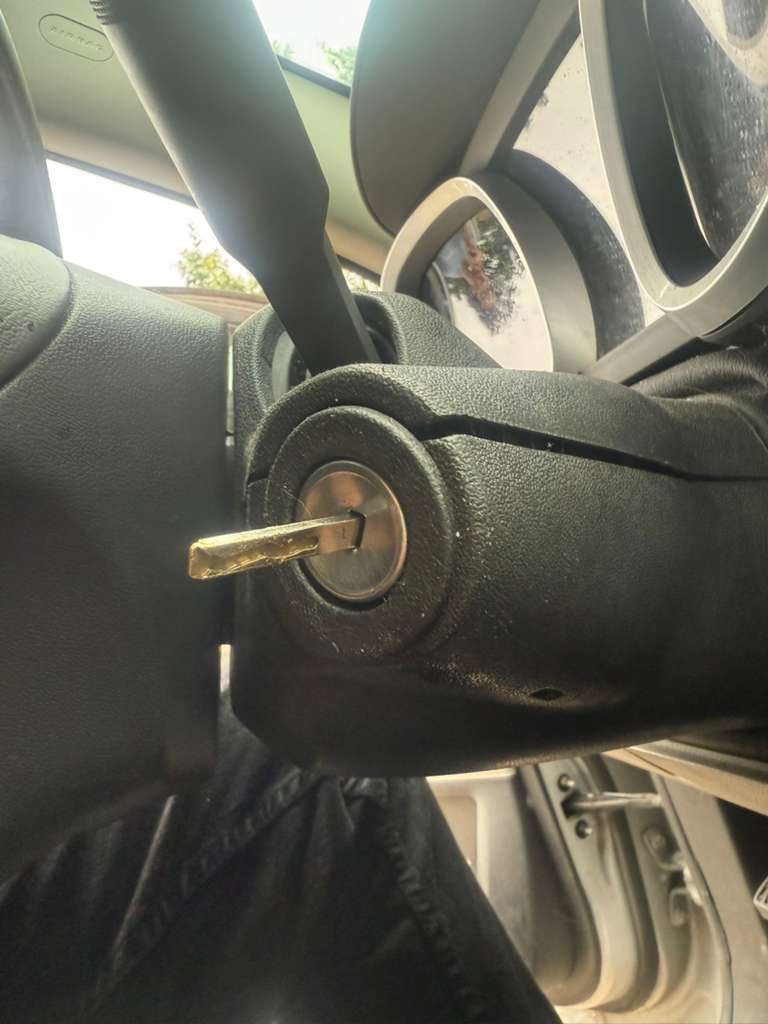
A key won’t turn in ignition can come from a locked steering wheel, a worn key, a shifter issue, or a failing ignition cylinder. Avoid force, make a few safe checks, and get help before the key or ignition breaks.

A copied metal key may open a door but still fail to start a modern car. Learn when a replacement needs cutting, programming, or both.