
Automotive Locksmith
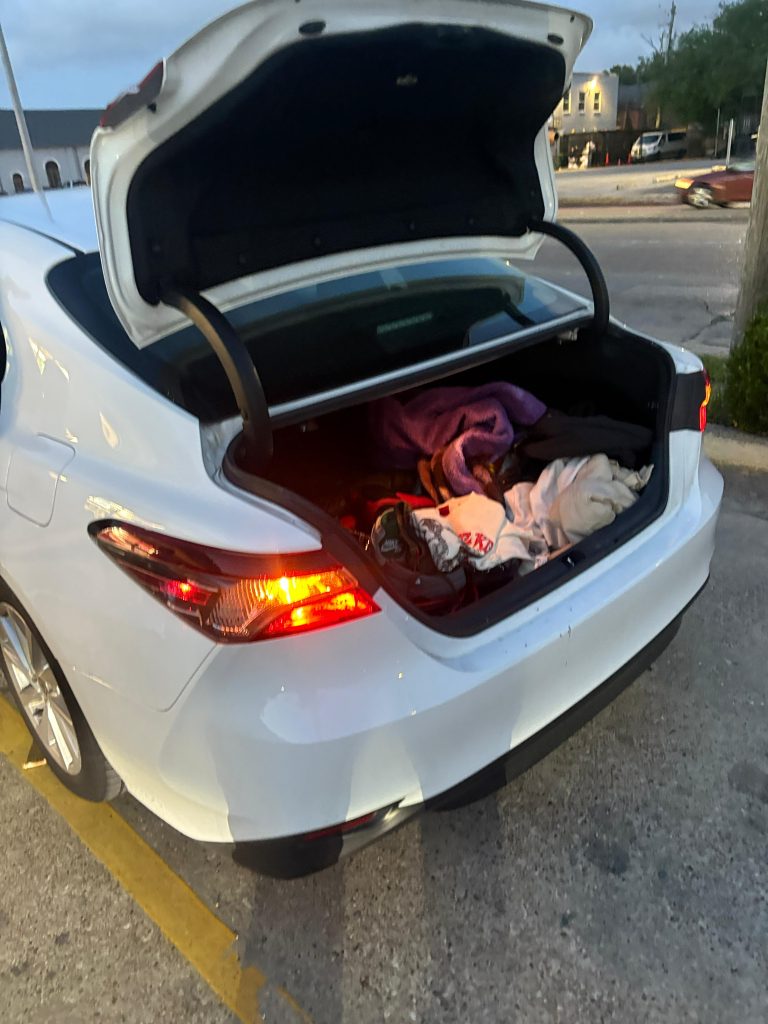
Keys Locked in the Trunk? What Drivers Should Do Next
Keys locked in the trunk can leave you stranded fast. Check safe access options first, avoid forcing entry, and choose reliable help.
License Number: B03034501
ASAP Locksmith offers commercial lock repair in Houston for damaged locks, sticking cylinders, door hardware issues, and entry system problems.

Commercial lock problems can stop your day fast, and ASAP Locksmith handles Commercial Lock repair in Houston for offices, retail stores, warehouses, and multi tenant buildings. We repair sticking locks, failed cylinders, damaged door hardware, and access issues across Houston, TX so your doors work right, your staff can get in, and your property stays secure.
Commercial lock repair fixes security and access problems before they turn into bigger business issues.
A commercial lock does more than lock a door. It controls who enters, who exits, and how smoothly your business runs each day. If a key sticks, a latch misses, or a door closer pulls the door out of line, that small problem can turn into a lockout, a safety concern, or a door that never quite shuts.
ASAP Locksmith provides Commercial Lock repair for many types of business properties in Houston, Texas. That includes office buildings, storefronts, medical spaces, restaurants, apartment common areas, schools, warehouses, and service entrances. If your lock is giving you trouble, the goal is simple. Fix the issue, restore proper function, and help you avoid repeat problems.
Commercial doors take a beating. Staff use them all day. Customers push them open with bags, carts, and boxes. Weather, dirt, poor alignment, and worn hardware all add stress. A lock can fail even if the actual key looks fine.
Have you noticed a door that only locks if you pull it hard? Does the key turn halfway and then stop? Is your panic bar loose, your lever sagging, or your storefront cylinder spinning? These are common repair calls, and they usually get worse if ignored.
The most common signs are sticking keys, hard turns, loose hardware, and doors that do not line up right.
Many business owners wait longer than they should because the lock still kind of works. That is usually the stage where repair is most useful. Once parts wear further, the issue may spread to the latch, strike, closer, hinges, or frame. In many cases, early commercial lock replacement planning or commercial lock rekeying may also be worth discussing if wear is advanced.

Some warning signs are less obvious. You may hear grinding inside the lock body. You may notice that employees avoid one entrance because it is fussy. That is often accurate.
If your staff has workarounds for a door, the hardware is trying to tell you something. Doors are not supposed to need a secret handshake.
Most lock trouble starts with wear, misalignment, dirt, poor installation, or damaged door hardware.
Commercial locks are durable, but they are still mechanical. They have pins, springs, cams, tailpieces, latch parts, and mounting components that can loosen or wear down over time. The lock itself may be only part of the problem. A broader commercial locksmith review can help identify the full cause.
Houston weather can also play a role. Heat, humidity, and sudden storms can affect metal parts, door frames, and swelling around openings. Exterior doors and gates often show more wear than interior office doors. In Texas properties with frequent traffic and changing weather, problems can build slowly until the door stops working smoothly.
Older storefront hardware can be tricky too. Aluminum glass doors often depend on a mix of narrow stile locks, mortise cylinders, and threshold alignment. If one part drifts out of place, the whole door can act up. In some cases, related commercial lock installation updates may be needed when parts no longer fit correctly.
A proper service visit starts with diagnosing the full door and lock issue, not just swapping a part and hoping for the best.
At ASAP Locksmith, the repair process begins with finding the actual cause. A sticking key might point to a bad cylinder. It could also point to a misaligned latch, a worn key, a loose cam, or a frame issue. A rushed fix can waste time and leave the same problem in place.
Some repairs are straightforward. A loose commercial lever may need tightening and internal adjustment. A cylinder that binds may need service or replacement. A deadlatch may need strike alignment. A panic device may need its dogging feature checked and the latch adjusted.
The point is to get the door working as a system. Locks do not live alone. They work with the door, frame, hinges, and hardware around them. When needed, repairs may connect with rekeying or a move toward commercial access control systems that still rely on solid mechanical hardware.
Commercial lock repair can include cylinders, lever locks, deadbolts, panic bars, closers, and storefront hardware.
Business properties use many lock types, and each has its own repair approach. A back office knob lock is different from a metal exit device on a rear door. A glass storefront cylinder is different from a heavy duty mortise lock on a suite entrance.
Sometimes the right repair also involves commercial lock rekeying. If a lock was damaged during a staff change, lost key issue, or attempted entry, a rekey may make more sense than keeping the old pin setup. If multiple locks should work on one master key system, repair and rekey work may go together.
Here is a simple view of common issues and what they may involve. These examples help show when a small symptom may point to a larger hardware problem. If a door has several related issues, a full locksmith for buildings approach may be the most practical path.
| Problem you notice | What may need repair |
|---|---|
| Key sticks or will not turn | Cylinder service, rekeying, keyway cleaning, alignment check |
| Door only locks when pulled hard | Strike adjustment, hinge correction, latch alignment |
| Handle feels loose or droops | Lever trim tightening, spring repair, lockset service |
| Panic bar sticks | Exit device adjustment, latch repair, door alignment |
| Storefront cylinder spins | Cylinder collar, set screw, cam, or lock body repair |
Fast response matters because a bad lock can slow staff, frustrate customers, and leave your property exposed.
A broken commercial lock is not just annoying. It can interrupt deliveries, delay opening, create problems for employees, and expose stock rooms or offices to unwanted access. If the door will not secure at closing time, the problem gets urgent fast. In urgent cases, many businesses need an emergency locksmith rather than waiting for normal hours.
That is why many business owners call as soon as they notice a pattern. A lock that works only every third try is already failing. It is better to repair it before someone gets locked out or the door stays unlocked without anyone noticing.
Need help after normal business hours? ASAP Locksmith offers 24 7 emergency service in Houston, TX. If your front door lock fails at opening time, your rear exit device jams at closing, or a tenant space lock stops responding, quick action can keep your day from getting more chaotic through emergency locksmith service.
Some repairs are quick, while others take longer if the problem involves door alignment, uncommon parts, or entry damage.
Repair time depends on the hardware, the condition of the door, and whether the issue is isolated or connected to other parts. A simple cylinder issue may be resolved fairly quickly. A storefront door with alignment trouble and worn hardware may take longer because more than one part needs attention. When damage is severe, a shift from repair to commercial lock replacement may be the better option.
If you manage a property with several access points, it helps to mention all problem doors when you call. Many buildings have one bad door and two others headed in the same direction.
Safety comes first, and some lock problems should not be forced by staff or maintenance teams.
When a commercial lock starts acting up, people often force the key, slam the door, or keep twisting until something gives. Usually, something does give. It is just not the right thing. If a failure creates immediate access or security trouble, call an emergency locksmith instead of improvising.
This matters even more for rear exits, shared entries, and customer facing doors. A malfunctioning exit device or entry lock can affect both security and normal building use. If the door is part of your daily traffic flow, trying random fixes with a screwdriver can turn one repair into several. For connected hardware, service may also overlap with commercial keyless entry systems or intercom systems.
A little preparation helps the visit go faster and helps the locksmith focus on the right issue.
You do not need to do much before service, but a few details can save time. If possible, note what the door is doing and when the problem happens. Does it stick only during the afternoon. Only when the closer pulls shut. Only with one key.
Property managers often tell us it has been weird for months. That is useful information. Strange behavior has a timeline, and timelines help track the cause.
Good after service habits can help your locks last longer and reduce repeat problems.
Once a commercial lock is repaired, daily use still matters. Slamming doors, hanging bags on levers, forcing keys, and propping doors open too often can shorten hardware life. A repaired lock should feel smoother and more predictable, but it still needs normal care. Long term performance also improves when needed updates like panic bar installation or crash bar installation are handled correctly.
If your business has several employees using the same entrances, ask them a simple question once in a while. Is that side door acting weird again. That small check can catch a problem early.
Houston properties face real world lock issues from traffic, weather, mixed use buildings, and heavy daily door cycles.
Commercial Lock repair in Houston often involves more than a worn key cylinder. Houston businesses deal with busy entrances, humid conditions, glass storefront systems, shipping doors, shared office suites, and older buildings with hardware added over time. These factors can create lock trouble that seems random but usually has a clear mechanical cause.
Each setup puts stress on hardware in a different way. Houston, Texas properties often need repairs that account for real use, not just the lock on paper. This is especially true in larger spaces that benefit from support such as locksmith for buildings service.
Business owners choose ASAP Locksmith because they need practical help, clear communication, and service that fits commercial properties.
Commercial lock work should be straightforward. You want to know what is wrong, what needs attention now, and what could cause issues later. You also want the door tested properly before the job wraps up.
ASAP Locksmith focuses on practical commercial service in Houston, TX. That includes lock repair, emergency response, master keying support, door hardware issues, and access related mechanical repairs. If your lock problem affects daily operations, the job is to get things working again with as little disruption as possible.
Why do many businesses call a locksmith instead of asking maintenance to improvise a fix. Because commercial hardware can be finicky, and small mistakes can create bigger door and lock problems. The wrong set screw, wrong cam, or wrong alignment can waste a lot of time.
The right time to schedule service is when the lock first starts failing, not after it quits on your busiest day.
If your commercial lock is sticking, spinning, dragging, or refusing to latch, do not wait for a full lockout or security issue. ASAP Locksmith handles Commercial Lock repair in Houston for offices, storefronts, warehouses, common areas, and other business properties across the area.
Call (832) 404-0102 or visit the homepage to book service. If your business needs Commercial Lock repair in Houston now, ASAP Locksmith is ready to help restore safe, smooth access and secure operation for your doors in Houston and across TX. You can also use the Contact Us page to schedule service.
Commercial lock repair is the process of fixing issues with locks used in businesses, offices, retail spaces, and other commercial properties. ASAP Locksmith provides commercial lock repair services.
Common signs include difficulty turning the key, a lock that sticks, loose hardware, misalignment, or a lock that no longer works smoothly. ASAP Locksmith can help with commercial lock repair.
In many cases, a damaged commercial lock may be repairable depending on its condition and the type of issue involved. ASAP Locksmith provides commercial lock repair for a range of lock problems.
Commercial locks can develop problems due to wear and tear, frequent use, weather exposure, dirt buildup, or internal component issues. ASAP Locksmith offers commercial lock repair services for these situations.
Yes, locks may need professional attention after tampering or a break-in attempt to restore proper function and security. ASAP Locksmith provides commercial lock repair services for business properties.
Yes, lock repair may address issues that make locking or unlocking difficult, especially when related to wear, alignment, or internal lock problems. ASAP Locksmith provides commercial lock repair services.
Yes, commercial lock repair is commonly needed for offices, storefronts, warehouses, and other business locations. ASAP Locksmith provides this service for commercial properties.
If your lock is unreliable, difficult to use, visibly damaged, or not operating as expected, it may be time to have it checked by a professional. ASAP Locksmith provides commercial lock repair services.
Older commercial locks can often be repaired depending on the condition of the lock and the availability of suitable parts or solutions. ASAP Locksmith provides commercial lock repair services.
Timely repair helps maintain proper access control, supports day-to-day operations, and reduces the chance of lock-related disruptions. ASAP Locksmith provides commercial lock repair services.
Keys locked in the trunk can leave you stranded fast. Check safe access options first, avoid forcing entry, and choose reliable help.
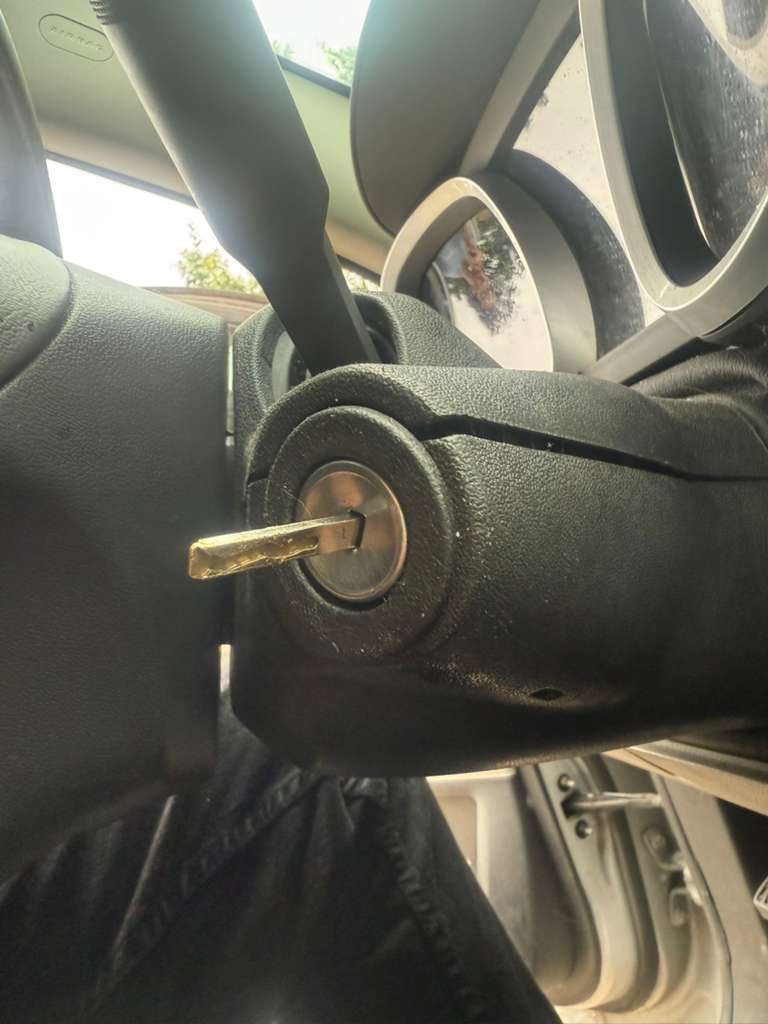
A key won’t turn in ignition can come from a locked steering wheel, a worn key, a shifter issue, or a failing ignition cylinder. Avoid force, make a few safe checks, and get help before the key or ignition breaks.

A copied metal key may open a door but still fail to start a modern car. Learn when a replacement needs cutting, programming, or both.