
Automotive Locksmith
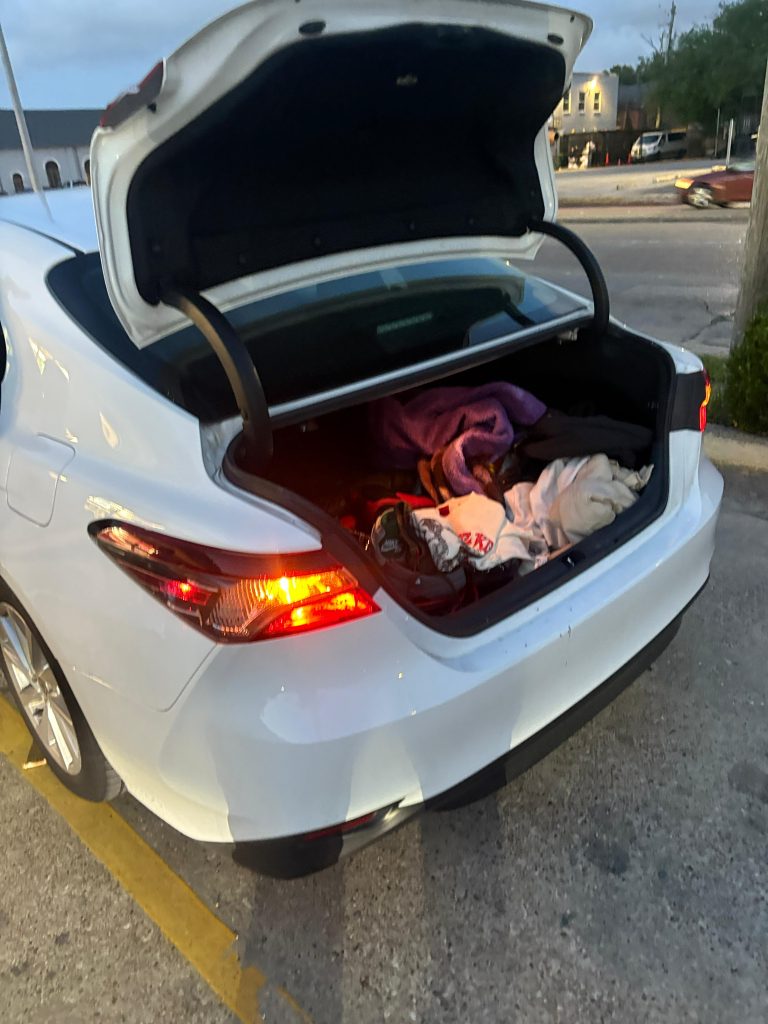
Keys Locked in the Trunk? What Drivers Should Do Next
Keys locked in the trunk can leave you stranded fast. Check safe access options first, avoid forcing entry, and choose reliable help.
License Number: B03034501
Need crash bar installation in Houston? ASAP Locksmith installs exit hardware for commercial doors and code focused building entry solutions.

ASAP Locksmith helps buildings in Houston create safer exit paths fast. We install and replace panic bars on doors across Houston, TX, so people can leave quickly during an emergency. For crash bar installation in Houston, our team checks door fit, hardware needs, and code focused exit function.
Crash bar installation adds fast exit hardware to doors that need safe, simple egress.
A crash bar, also called a panic bar or push bar, lets people open a door by pressing a horizontal bar. You push, the latch releases, and the door opens out. It is simple by design, which is exactly the point in an emergency.
ASAP Locksmith installs panic hardware for many property types in Houston and Texas. That includes retail stores, offices, schools, restaurants, medical spaces, warehouses, apartment common areas, and back of house exits. If your door needs a quick way out without twisting a knob, this service may fit. We also help with broader commercial locksmith needs for working buildings.
Many buildings need more than just a bar on the door. The door, frame, latch, strike, closer, hinges, and door swing all matter. If one part is off, the exit can drag, stick, or fail to latch the way it should.
A proper setup should feel easy to use but not loose or sloppy. Nobody wants a panic bar that acts dramatic at 8 a.m. and stubborn by lunch.
You may need crash bar installation if exits are hard to use, outdated, or no longer match the door. Some property owners call after moving into a space with old hardware. Others call during a remodel, after a break in, or after staff complaints about a rear exit. If the hardware does not work smoothly, it is time to take a closer look. If related parts are worn, a commercial lock repair visit may also be part of the fix.
Have people started shoulder checking the door just to leave? That is a sign the hardware needs attention. In some cases, replacing old hardware with updated exit device installation is the better long term move.
Doors often need new panic hardware because of wear, bad alignment, wrong parts, or building updates. Daily use wears down moving hardware. Busy exits on commercial properties can take a lot of abuse. A panic bar on a back delivery door may get slammed, bumped by carts, and exposed to weather.
Sometimes the problem starts with the wrong hardware choice. Not every panic device fits every door. Aluminum storefront doors, hollow metal doors, and wood doors all have different needs. The latch style, door width, handing, and frame condition matter. A full commercial lock installation review can help match the opening to the right hardware.
Houston weather can play a role too. Heat, humidity, and frequent door use can make small alignment issues show up faster. If the opening has several hardware problems, we may also suggest related commercial lock replacement work where it fits naturally.
Our visit starts with checking the door, frame, hardware, and exit function so the new setup works as intended. ASAP Locksmith begins with the basics. We look at the door material, frame condition, swing direction, latch position, and how the door closes. We also check whether the current opening has hardware that can stay or if it needs a full replacement.
Then we walk through the installation plan. If a door needs a rim device, vertical rod hardware, outside trim, or related exit components, we explain the best fit in plain language. No mystery talk. Just clear steps. When needed, this work can overlap with push bars or panic bar installation service.
If something beyond the panic bar is causing trouble, we point that out. A bent frame or worn closer can affect the result just as much as the bar itself. Some buildings also benefit from commercial access control systems for managed entry on select openings.
We install several types of crash bar hardware based on the door, traffic flow, and security needs. Not every exit has the same purpose. A front customer door has different demands than a stockroom exit or side stairwell door. We help match the hardware to the opening. Similar needs often come up with push bars and other exit devices.
| Hardware type | Best fit | What it does |
|---|---|---|
| Rim panic device | Single doors | Latches at the edge of the door |
| Vertical rod device | Double doors or taller openings | Secures top and bottom points |
| Mortise panic device | Doors with mortise prep | Works with a mortise lock body |
| Alarmed exit device | Doors needing monitored emergency use | Sounds when the bar is pushed |
If you are not sure what your door needs, that is normal. Most people do not spend their week thinking about exit hardware, and honestly, that is healthy.
The right crash bar setup depends on door type, occupancy use, and how people move through the space. A small office with limited foot traffic may need a simpler setup than a restaurant kitchen exit. A medical office may need easy egress with controlled exterior access. A retail store may need rear exit hardware that handles frequent use by staff. For buildings with managed entry points, commercial keyless entry systems can support the overall door plan.
These details matter because hardware that looks fine on paper can fail in daily use if it does not match the actual traffic pattern. Buildings with several connected doors may also ask about a wider locksmith for buildings approach.
Most installations are straightforward, but timing can change if the door has damage or unusual hardware needs. A basic panic bar installation on a properly prepared door is usually simpler than a full correction job. If the opening is already aligned and the hardware matches the door, the work moves faster. If an urgent exit issue is stopping normal use, our emergency locksmith service may help.
Some jobs take more time because the issue is not only the crash bar. A sagging door, damaged frame, old holes from past hardware, or an incompatible closer can add steps. Double doors may need more adjustment than single doors. At times, related commercial lock repair or replacement work is needed first.
Need the work done with as little disruption as possible? Let us know what kind of building you have and when foot traffic is lighter.
Safety matters most, and forced DIY work can damage the door or leave the exit unreliable. Panic hardware looks simple from the outside. The trouble starts when the latch does not line up, the bar sits at the wrong height, or the door never closes right after installation. A poorly fitted crash bar can turn a safety device into a daily headache. A trained commercial locksmith can check the whole opening and not only the bar.
If a push bar needs a shoulder slam to work, it is not just quirky. It needs service. In many cases, the right solution is direct crash bar installation or panic bar replacement.
Preparing for the visit helps the work move faster and keeps the area safer during installation. You do not need to do much, but a few simple steps can help. Clear the area around the door and make sure someone can give access to the opening. If the hardware issue happens only at certain times, mention that too. If another opening in the property has similar trouble, that can also point to a broader commercial lock installation or adjustment need.
A short heads up about the building layout also helps. Is it a storefront in Houston, TX, a warehouse off a service road, or a multi tenant office suite? Access details save time.
After installation, regular checks help the crash bar stay smooth, secure, and ready for daily use. Once the new hardware is in place, a little attention goes a long way. Panic bars work best when the door closes freely, the strike stays aligned, and debris does not build up around moving parts. Ongoing upkeep may also prevent future commercial lock repair calls.
Staff should know how the exit is supposed to feel. If the door suddenly needs extra force, starts scraping, or makes a grinding sound, it is time for service. For larger properties in Texas, routine door checks across shared entries can support a better building locksmith plan.
Houston properties often need crash bar solutions that hold up to heat, humidity, and constant use. Local conditions matter. In Houston and across TX, many exterior doors deal with warm weather, moisture, and heavy daily traffic. Metal doors expand and contract, closers get out of tune, and rear exits often take more abuse than front entrances. In some locations, support from commercial lock replacement or exit device installation helps restore daily function.
Crash bar installation in Houston should account for how the opening is actually used, not just how it looks during a quick glance. A calm door on Monday can act completely different on Friday afternoon.
ASAP Locksmith helps Houston businesses by focusing on practical door function, safe exits, and clean installation work. We are a locksmith company serving Houston, Texas with hardware service that fits real buildings and real daily use. Our team handles door and lock issues with a direct, useful approach. We check the opening, explain what is happening, and install hardware that matches the door. Businesses looking for connected door solutions may also ask about access control systems or intercom systems.
Crash bar installation is not only about mounting a bar. It is about making sure the full opening works together. Door, frame, latch, strike, closer, hinges. Everybody needs to do their job.
Crash bar installation in Houston is a smart step if your exit door is outdated, damaged, or hard to use. If your building has an exit that sticks, slams, rattles, or simply does not make sense for the space, ASAP Locksmith can help. We install and replace panic hardware for commercial properties across Houston, TX with attention to fit, use, and day to day function.
Do you need a new panic bar on a back exit? Do you want to replace old hardware that has seen better days? Are staff complaining because the door is harder to open than the pickle jar at home? We can take a look and get the right hardware in place.
Many buildings need more than one hardware service over time. If your property is updating exits, tightening security, or fixing worn openings, related locksmith support can help keep doors working together across the site.
For crash bar installation in Houston, call ASAP Locksmith at (832) 404-0102 to schedule service. If your exit hardware is slowing people down, now is a good time to fix it. You can also use our contact page to get started.
A crash bar, also called a panic bar or exit device, is a door hardware mechanism that helps people open an exit door quickly by pushing on a horizontal bar. ASAP Locksmith provides crash bar installation services.
Crash bars are commonly installed on exit doors to support safe and efficient egress in commercial and public buildings. ASAP Locksmith provides crash bar installation for businesses and properties that need this type of door hardware.
Crash bars are often installed on commercial exit doors in places such as offices, retail stores, schools, restaurants, and other buildings with public access. ASAP Locksmith provides crash bar installation for a range of property types.
In many cases, crash bars can be installed on various door types, depending on the door’s material, size, and intended use. ASAP Locksmith can help with general crash bar installation needs.
The terms “crash bar” and “panic bar” are often used interchangeably to describe an exit device that opens when pressure is applied to the bar. ASAP Locksmith provides installation services for these types of exit devices.
Crash bars are most commonly associated with commercial and public buildings, though the right application depends on the property and door setup. ASAP Locksmith provides crash bar installation services for applicable situations.
In many cases, an existing exit device can be replaced, depending on the door and hardware configuration. ASAP Locksmith provides crash bar installation and replacement services.
Professional installation helps make sure the device is fitted properly and works with the door’s overall hardware setup. ASAP Locksmith provides crash bar installation as part of its locksmith services.
Crash bars are often used alongside other door components, depending on the building’s access and exit needs. ASAP Locksmith provides crash bar installation for doors that may require compatible hardware solutions.
If you need general assistance with crash bar installation, you can contact ASAP Locksmith to learn more about this service and discuss your door hardware needs.
Keys locked in the trunk can leave you stranded fast. Check safe access options first, avoid forcing entry, and choose reliable help.
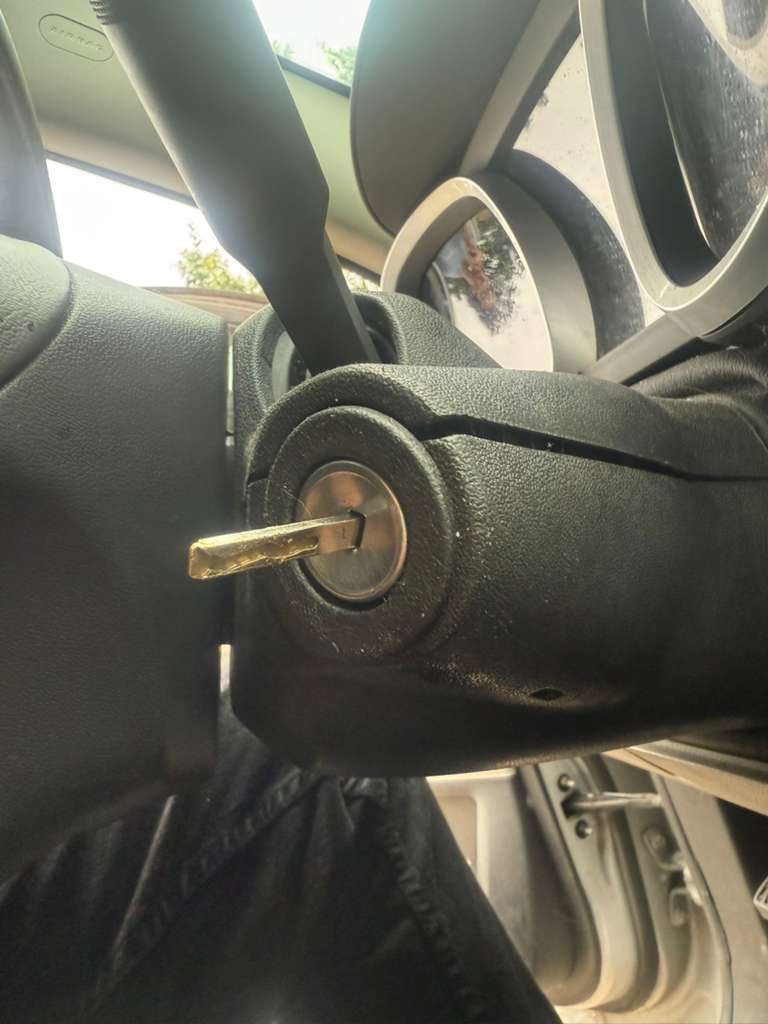
A key won’t turn in ignition can come from a locked steering wheel, a worn key, a shifter issue, or a failing ignition cylinder. Avoid force, make a few safe checks, and get help before the key or ignition breaks.

A copied metal key may open a door but still fail to start a modern car. Learn when a replacement needs cutting, programming, or both.