Rekeying is best when your garage side door lock still works fine, but you want new keys for safety. Replacing is best when the lock is worn out, damaged, loose, or keeps sticking even after basic cleaning. If the door and hardware are in good shape, rekeying often gives you the “new key” win without swapping the whole lock. If the lock acts like it is ready to retire, replacement saves time and trouble.

Why the garage side door lock matters more than you think
A garage side door is a “daily use” door for many homes. You take out trash, grab tools, roll bikes, or run to the car. That means the lock gets more action than a front door in some houses.
It also sits in a spot that gets beat up by weather. In Houston, heat and humidity can make metal parts expand, then shrink, then grab. Rain and wind can push grit into the keyway. If your garage side door faces the driveway, it can also get blasted with dust and lawn debris. A lock can still have life left, but it might need the right fix.
Rekeying vs replacing, what each one really does
Let’s keep it plain.
What “rekey” means
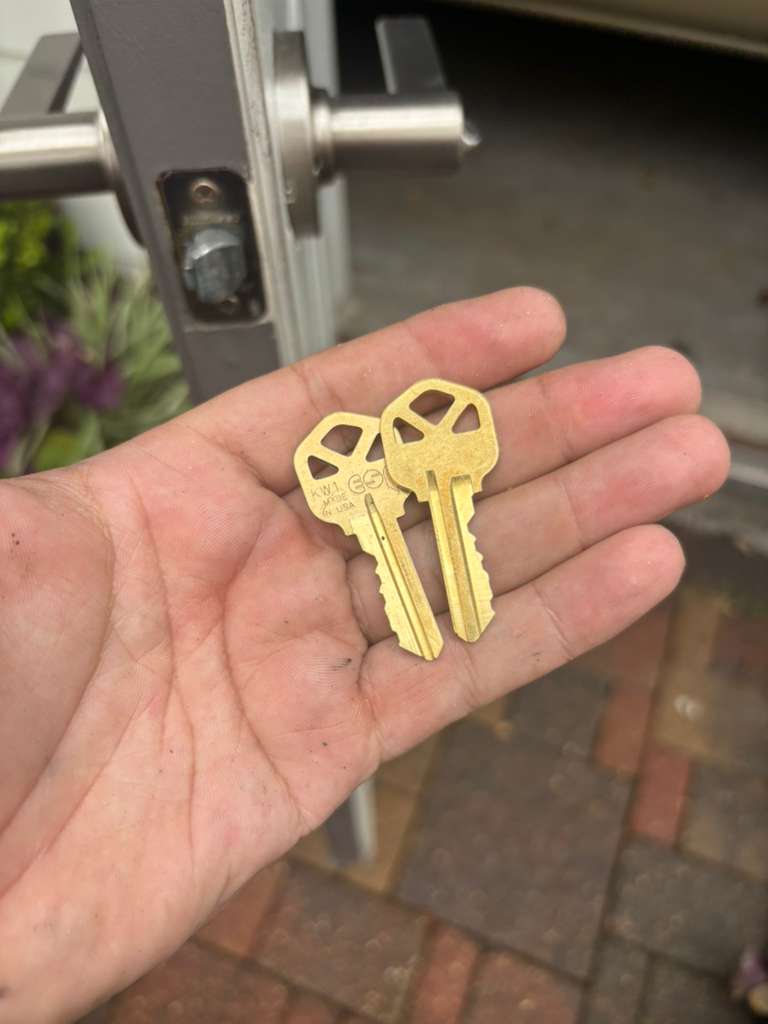
Rekeying changes the lock so old keys no longer work. The lock stays in the door. A locksmith adjusts the pins inside the cylinder, then cuts or matches new keys to that new pin setup.
You keep the same lock body and look. You get new keys. Old keys become useless.
If you need help with garage side door lock rekey service, start with Residential lock rekeying or reach out through Contact Us.
What “replace” means
Replacing means taking off the old lock and installing a new lock. That may include a new knob or lever, a new deadbolt, a new cylinder, or all of it, based on what your door has.
Replacement can fix wear, broken parts, poor fit, or a lock that was never a good match for the door.
For a new lock setup on a garage entry, see Residential lock replacement or Residential lock installation.
A quick “use your eyes” check before you decide
Stand at the garage side door with the door open. Bring a flashlight. This simple check helps you pick the low-cost path without guessing.
Look for these signs:
- The knob or lever wiggles a lot, even when screws are tight.
- The key goes in rough, or you have to “jiggle it like a TV antenna.”
- The key turns, but the latch feels lazy or slow.
- The deadbolt does not line up with the strike plate unless you lift or push the door.
- You see rust, green gunk, or metal flakes near the keyhole.
- The door has swelling, cracks, or a sag that makes the latch scrape.
If most of the parts still move smooth and line up, rekeying may be all you need. If you see heavy wear or poor alignment, replacement or door adjustment may be the smarter move.
When rekeying is the low-cost win
Rekeying shines when you like the lock and it still works, but you want new keys. Here are the most common times.
You moved in, or your keys changed hands
Maybe you bought a home. Maybe a roommate moved out. Maybe a contractor had a copy “just for the week” and the week was three years ago.
Rekeying helps you take back key control without changing your hardware. Learn more about Residential lock rekeying or use Contact Us to schedule.
You lost a key and you cannot be sure who found it
If a key is missing and it had your address on a tag, that is a strong reason to change the keying. Rekeying is often enough if the lock is in good shape.
Safety note, if you think someone took the key on purpose, also check your garage remote and any door from garage to house. Keep it calm, just be smart.
The lock is a good brand and still feels solid
A solid lock that turns smooth, latches clean, and holds tight can keep working for a long time. Rekeying lets you keep that decent hardware.
You want all doors on the same key
Many people want “one key for the house.” A locksmith can often rekey multiple locks to match a single key, if the lock types allow it. That can cut key clutter fast.
When replacing is the smarter move
Sometimes rekeying is like putting new shoelaces on boots with holes in the soles. New laces will not fix the problem.
Replace the lock when you see these issues.
The key turns but the lock does not behave
If the key turns and the latch does not move right, or the deadbolt binds hard, internal parts may be worn or broken. Rekeying changes pins, it does not rebuild the lock’s worn guts.
The key gets stuck, or the cylinder feels rough all the time
A little grime is normal. Constant sticking after cleaning is a red flag. Heat and humidity can speed up wear, and old oil can turn into sticky sludge.
If the keyway is chewed up from years of “wrong key, right door,” replacement is often the clean fix.
The door or frame is misaligned, and the lock is suffering
If your latch hits the strike plate, people start slamming the door. Slamming kills locks.
A locksmith can sometimes adjust the strike, hinges, or latch parts. But if the lock has been abused for a long time, replacement may be needed along with alignment work.
The lock is loose, cracked, or missing parts
If screws will not bite, the knob spins, or parts are bent, replacement usually beats patch jobs.
You want a different style or function
Maybe you want a keypad, a lever instead of a knob, or a deadbolt added for better control. That is replacement territory. For options and scheduling, see Residential lock installation and Residential lock replacement.
Simple troubleshooting steps you can follow at home
Use this quick list to decide what you need. Keep it basic. No special tools needed beyond a screwdriver and a flashlight.
- If the lock works smooth but you want old keys dead, then rekey.
- If the key is lost or stolen and the lock works smooth, then rekey.
- If the key goes in rough, then first clean the keyway, then test again.
- If the latch hits the strike plate, then check door alignment and hinge screws.
- If the door must be lifted to lock, then the door is sagging, fix alignment before blaming the lock.
- If the knob or lever is loose, then tighten mounting screws and test.
- If tightening does not stop the wobble, then replace or repair hardware.
- If the key turns but the bolt does not move right, then replace the lock or the failed part.
- If you see rust inside the keyway, then replacement is often the safer bet.
If you try two simple fixes and the lock still acts up, stop forcing it. Forcing breaks keys, and broken keys love to hide where pliers cannot reach.
How Houston weather messes with garage side door locks
Houston heat and humidity are like that friend who “helps” by standing too close. Locks feel it.
- Humidity can lead to rust on springs and pins inside the cylinder. Rust makes turning rough.
- Heat can expand metal parts and make tight tolerances tighter. That can cause sticking.
- Heavy rain can push water into the keyway, especially if the door has no good overhang.
- Dust and grit from driveways and yards can work like sandpaper inside the lock.
Quick habit that helps, wipe the key before you insert it. Sounds silly. It works.
For more help with garage and home entry points, see Locksmith for garage.
Rekey vs replace, side-by-side comparison
Here is a plain table to help you choose without getting lost.
| Situation | Rekey | Replace |
|---|---|---|
| Moved into a new home | Yes | Only if lock is worn |
| Lost a key, lock still works well | Yes | If lock is damaged |
| Lock is sticking even after cleaning | Maybe | Often |
| Knob or lever is loose or cracked | No | Yes |
| Door is misaligned and latch rubs | Not by itself | Maybe, plus alignment |
| You want a new style or new features | No | Yes |
| You want one key for multiple doors | Often | Only if changing hardware |
Common myths and the real facts
Myths spread faster than mosquitoes after a Houston rain. Here are a few quick clears.
- Myth: Rekeying makes a lock stronger. Fact: Rekeying changes which key works, not how strong the lock is.
- Myth: If the key sticks, you always need a new lock. Fact: Sometimes a clean keyway, a dry lubricant, or a strike plate fix solves it.
- Myth: Any lock can be rekeyed to match any other lock. Fact: Some brands and keyways do not match. A locksmith can tell you fast.
- Myth: A garage side door lock does not matter if you have a big garage door. Fact: Side doors can be quieter and easier to use, so they need solid lock function too.
What we usually see in Houston, TX
In many Houston neighborhoods, garage side doors take a beating. A few patterns show up a lot:
- Doors that swell a bit after long humid weeks, then the latch no longer lines up.
- Cylinders with grime from driveway dust, especially near busy roads like Westheimer or near Beltway 8 access streets.
- Older locks on rental houses where keys have been copied many times, so rekeying is a smart reset if the hardware still feels solid.
If your home is near high moisture areas or you get wind-driven rain, a small weather strip fix can also help the lock live longer.
For Houston service, you can also review Residential locksmith support and use Contact Us to book.
A simple care schedule that keeps the lock working
A lock is like a truck. You do not wait for smoke to check the oil.
Weekly
- Close the door gently and make sure it latches without a shoulder check.
- Turn the key once and feel for new rough spots.
Monthly
- Tighten visible screws on the knob, lever, and strike plate.
- Wipe the area around the latch and strike to remove dirt.
Yearly
- Use a dry lock lubricant made for cylinders, then cycle the key a few times.
- Check door alignment, hinges, and weather stripping.
- If you notice new rust or the keyway feels gritty, schedule service before it turns into a broken key.
Safety note, skip spray oils that stay wet inside the cylinder. Wet oil can trap grit.
For general background on how pin tumbler cylinders work, see Pin tumbler lock.
Rekeying a garage side door lock, what a locksmith checks
When a locksmith rekeys, they are not just swapping pins and walking away. They also look at:
- The cylinder condition, wear, rust, and smooth key turn
- The key cuts, worn keys can act like bad keys
- The latch and deadbolt action
- Fit in the door, loose fit can cause binding
If the lock is too worn, a good locksmith will say so. Rekeying a worn cylinder can leave you with the same sticky feel, just with a new key.
If you need fast help, Emergency locksmith service is also available.
Replacing the lock, what to watch for so you do not waste money
If you replace, match the lock to how the door gets used.
- Door prep and fit: If the holes are old or sloppy, the new lock may sit loose unless it is fitted right.
- Backset and latch size: Not every latch fits every door cutout.
- Weather exposure: A garage side door may need hardware that stands up to moisture better.
- Key plan: Decide if you want it keyed to match other doors.
If you are handy, you can install some locks yourself. If the door is misaligned, the “simple install” can turn into an all-day wrestle. A locksmith can handle both the lock and the fit.
For basic home maintenance and storm-related readiness that can affect doors and hardware, see Ready.gov.
FAQs
Can I rekey a garage side door lock without replacing the knob?
Often, yes. If the cylinder is in good shape and it is a rekeyable type, a locksmith can change the keying and keep the same hardware.
Should I rekey after buying a house in Houston?
Yes, many homeowners do. You cannot know how many copies of the old key are out there. Rekeying is a clean reset if the locks still work well.
My key turns hard when it is humid, is that normal?
It is common in humid weather, but it is not something you should ignore. Humidity can add rust and gunk inside the cylinder. Cleaning, dry lube, or service can fix it before it gets worse.
If the lock is sticking, should I spray it with WD-40?
Many people do, but it can attract dirt over time. A dry lubricant made for locks is usually a better choice. If the cylinder is already worn, lube may not save it.
How do I know if my door is the problem and not the lock?
If the lock works fine when the door is open, but binds when the door is closed, that points to alignment. Check if the latch hits the strike plate or if the door rubs the frame.
Can a locksmith make my garage side door match my house key?
Often, yes, if the lock brands and keyways allow it. A locksmith can check what you have and tell you what can match.
Is it safer to replace the whole lock after a breakup or roommate move-out?
If the lock works well, rekeying usually handles the key control problem. Replace if the hardware is worn, damaged, or you want a different lock type.
How long should a garage side door lock last?
It depends on use, weather exposure, and door alignment. A smooth-working lock can last years, but a misaligned door can wear one out fast.
ASAP Locksmith helps homeowners across Houston, TX with garage side door lock rekey and lock replacement, plus fixes for sticky locks and alignment issues, so your door shuts and locks without a fight. Call (832) 404-0102 or visit https://www.asap-locksmith-pros.com to schedule service and get the right fix for your door. You can also book directly through Contact Us.