Rekey locks when anyone outside your home might still have a working key, like after move-in, a roommate swap, a breakup, or lost keys. Rekeying changes which keys work, so old keys stop working. It is fast, it keeps your same hardware, and it helps you control who can get in. Use the checklist below so you do not miss a side door, a garage entry, or that sneaky back gate lock.

What “rekeying” means, in plain words
Think of your lock like a dog that only listens to one whistle. Rekeying changes the whistle, not the dog.
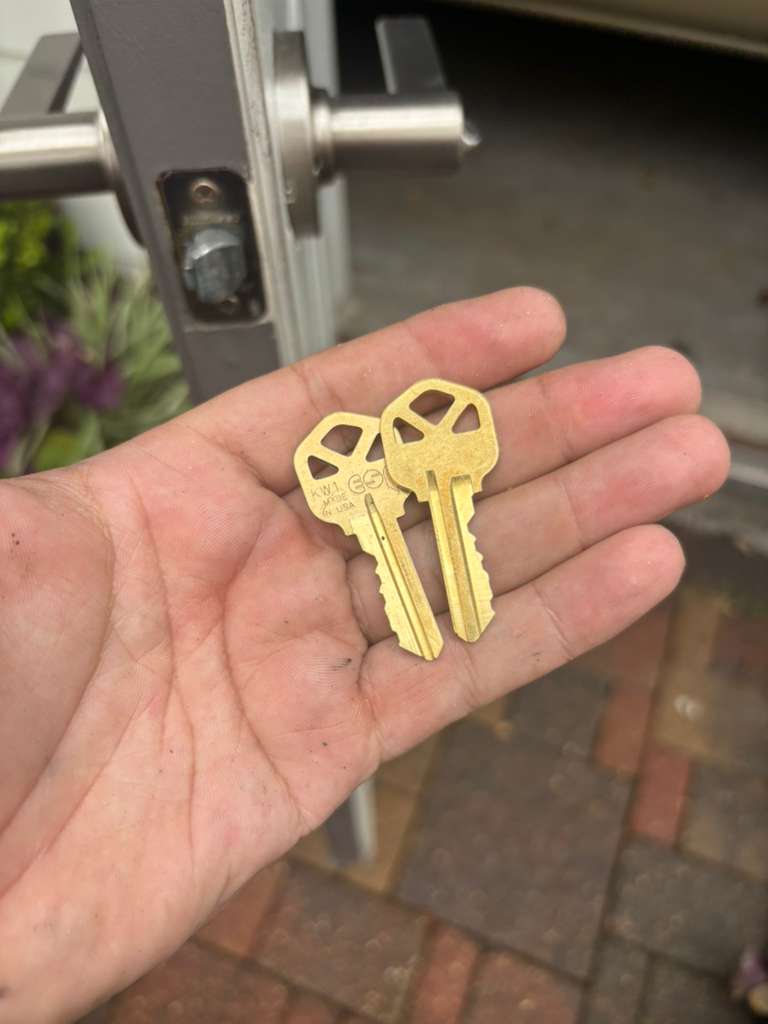
When a locksmith rekeys a lock, they change the pins inside the cylinder so a new key works and the old key does not. Your door hardware stays in place. Your keys change.
Rekeying is not the same as:
- Copying keys, which makes more of the same key
- Replacing locks, which swaps the whole lock
- Changing the knob, which might not change the key at all if the cylinder stays the same
If your lock works fine but you want key control again, rekeying is often the right move.
The big triggers, move-in, roommate changes, and lost keys
These three triggers show up over and over. They are like the “check engine” light for home security. You can ignore it, but it nags at you every time you leave the house.
1) Rekey after move-in
When you move into a new place, you inherit key history. You do not know who has copies.
Past keys can be in the hands of:
- Old owners
- Past renters
- Their family members
- Their friends
- Dog walkers, cleaners, contractors
- A neighbor who “watched the place”
A quick story. A guy moves into a rental and says, “I have the only two keys.” His buddy says, “Sure, and I have the only two socks in my dryer.” He rekeys that weekend. Smart buddy.
Best timing: rekey as soon as you get the keys, or within the first week of move-in.
If you want help with door-by-door rekeying for your new home, see Residential lock rekeying or reach out via Contact Us.
2) Rekey when a roommate moves out
Roommates are great until they are not. Even when things end on good terms, keys travel.
Common roommate key problems:
- Copies made without telling you
- Keys loaned to a friend for “just one night”
- A spare key left in a car, gym bag, or desk
- A key kept “just in case” after moving out
If the roommate paid rent and had access, rekeying helps close that chapter cleanly. It is like changing the Wi-Fi password, but for your front door.
Best timing: the day they move out, or right after you get all keys back.
For multi-door setups (apartments, shared homes, garages), review Locksmith for apartments and Locksmith for garage.
3) Rekey after lost keys
Lost keys are not always a big deal. Lost keys plus an address is a bigger deal.
Ask yourself two quick questions:
- Was your key lost with anything that shows your address, like mail, an ID, or a work badge?
- Was it lost near your home, like a drop in your driveway, a nearby trail, or the parking lot?
If you cannot answer “no” to both, rekeying is worth a serious look.
Best timing: same day if the key has any link to your address, or if you feel unsure.
If you need help quickly, review Emergency locksmith or book through Contact Us.
Rekey vs change locks, which fits your situation?
Sometimes you can keep the lock and just rekey. Sometimes you need a full replacement.
Here is a quick guide.
| Situation | Rekey usually fits | Replace usually fits |
|---|---|---|
| You moved in, locks work fine | Yes | Only if hardware is worn out |
| Roommate moved out, lock still smooth | Yes | If lock is damaged or loose |
| Key was stolen | Yes, fast control | Replace if lock is broken too |
| Key snaps inside the lock | Maybe, after extraction | If cylinder is damaged |
| Door was kicked or lock is bent | Not always | Often yes |
| You want a different style or more features | Not the point of rekey | Yes |
A locksmith can also match several locks to work with the same key. Many people want “one key life.” It is nice.
Related services: Residential lock replacement and Residential lock repair.
Your no-missed-doors checklist, walk the property like a pro
Grab a note app and walk your place. Pretend you are a delivery driver looking for any way in. If you can get in there, so can anyone with an old key.
Doors most people remember
- Front door deadbolt
- Front door knob or lever lock
- Back door deadbolt
- Back door knob or lever lock
Doors people often forget
- Door from garage into the house
- Side door by the driveway
- Patio door with a keyed lock
- Laundry room exterior door
- Upstairs balcony door with a keyed lock, if you have one
Other keyed entry points
- Gate lock to the backyard
- Detached garage side door
- Shed door lock, if it holds tools or bikes
- Mailbox lock, if it is a cluster mailbox or locking box
- Storage closet with a keyed knob, common in some apartments
“Hidden” keys and spares
Rekeying is great, but do not forget your spares.
- Check lockboxes left by real estate agents
- Check fake rocks, planters, grills, and doormats
- Check if a neighbor has a spare
A short dialogue you might recognize:
- You: “Do we have a spare outside?”
- Roommate: “No.”
- You: “Then why is there a key zip-tied under the patio table?”
- Roommate: “That is not outside. That is under outside.”
Timing tips that keep life simple
Rekeying is easier when you plan it around real life.
Best times to rekey
- Move-in day or first weekend, before routines set in
- Right after a roommate move-out, before they come back for “one last box”
- Right after a breakup, even if you feel calm about it
- After a key goes missing, when you cannot track it down fast
Times people wait too long
- After you hand keys to a contractor and the job ends
- After you use a short-term guest, pet sitter, or house sitter
- After you have a spare key “out there somewhere” and you cannot recall where
Rekeying is about control. If control is fuzzy, your plan should be clear.
A simple “If X, then Y” troubleshooting list
Use this like a quick playbook.
- If you moved into a new place, then rekey exterior doors and the door from garage to house.
- If a roommate moved out and had a key, then rekey the doors they used most, plus any shared gate.
- If your keys were lost with your wallet, then rekey as soon as you can.
- If your keys were lost at work and you wear a badge with your name, then consider rekeying if your address is easy to find online.
- If the lock is sticky or hard to turn, then get it checked first, rekeying may not fix worn parts.
- If you have multiple doors with different keys, then ask about matching them to one key during rekey.
- If you use smart locks and you lost a physical key, then rekey the mechanical backup cylinder if it exists.
- If your door frame is loose, then fix alignment, a good key does not help a bad frame.
If you need a technician to check sticking or worn hardware, see Residential lock repair and Residential lock installation.
Common myths and facts people hear at the hardware aisle
Myth: “I got all the keys back, so I am safe.”
Fact: Copies could exist, and you may never know.
Myth: “Rekeying means I need new locks.”
Fact: Rekeying often keeps the same hardware and changes the key.
Myth: “Lost keys are no big deal if my name is not on them.”
Fact: A key plus a street name from a label, mail, or GPS history can point right to your door.
Myth: “Spraying oil in the lock fixes everything.”
Fact: The wrong spray can trap grime. A locksmith can tell you the right way to care for it.
For general background on how pin tumbler locks work, see Wikipedia: Pin tumbler lock.
What we usually see in Houston, TX
Houston has a mix of older bungalows, newer builds, and lots of rentals. That mix leads to repeat key issues.
Here are patterns that show up often:
- Rentals with “who knows how many keys” floating around from past years
- Homes with a garage entry door that never gets rekeyed
- Back gates with simple padlocks that use a key shared too widely
- Locks that feel fine in spring, then start sticking in August heat and humidity
If you live near areas like The Heights or off Westheimer, you may also have older doors that shift a bit over time. A rekey visit is a good moment to spot a door that is rubbing or a latch that is not lining up clean.
Houston weather and your locks, yes it matters
Houston weather can be tough on door hardware. Heat, humidity, and sudden rain can all play a part.
- Humidity can lead to small rust spots inside keyways and on latch parts. That can make a key feel gritty.
- Heat can swell wood doors. When the door swells, the latch may scrape, and you may need to lift the handle to lock it.
- Heavy rain can push moisture into exterior doors with worn weatherstripping. Water and metal are not best friends.
- Cold snaps are rare but real. Metal contracts a bit, and old cylinders may feel tighter.
Rekeying does not “weatherproof” a lock, but it is a good time to check if the lock turns smooth and if the door closes without forcing it. If you have to shoulder-check your own door, that is your door asking for help.
For local weather readiness information, see National Weather Service.
Short safety notes that matter
No scare talk, just basic sense.
- Do not hide a spare key outside in an obvious spot. Many people check under mats and planters first.
- If you lost keys and your address might be linked, treat it like a time-sensitive errand.
- If a lock is hard to turn, do not force it. A broken key in the cylinder can turn a small issue into a bigger one.
Care schedule, keep locks working without fuss
A little care saves time, and time is the real luxury.
Weekly
- Close each exterior door once and test the deadbolt. It should slide clean.
- If a door sticks, check for rubbing and address it early.
Monthly
- Wipe grime off the key and around the keyway area.
- Check screws on knobs, levers, and deadbolts, snug them if they are loose.
- Make sure the strike plate is tight and not pulling away from the frame.
Yearly
- Check weatherstripping and door sweep for gaps that let rain in.
- Have a locksmith check older locks if keys feel rough or if turning takes effort.
- If you have had several key handoffs over the year, dog sitter, contractor, cleaner, consider a rekey to reset control.
FAQs
How soon should I rekey after moving in?
As soon as you can, ideally within the first week. The sooner you do it, the sooner you know old keys will not work.
Should I rekey if my roommate returned the key?
Often yes. Copies may exist, even with good people. Rekeying is the clean reset.
What if I lost my keys but I think they are inside the house?
If you are not sure where they are, treat it like a real loss until you find them. If the key might be outside your control, rekeying restores control.
Can all my doors use the same key after a rekey?
Many locks can be matched to one key, but it depends on the lock brand and type. A locksmith can check your hardware and tell you what is possible.
Is rekeying only for houses, or also apartments?
Apartments can be rekeyed too, but you may need property manager approval depending on your lease and the lock type. Ask first so you do not end up in a policy tug-of-war.
Do I need to rekey the garage door?
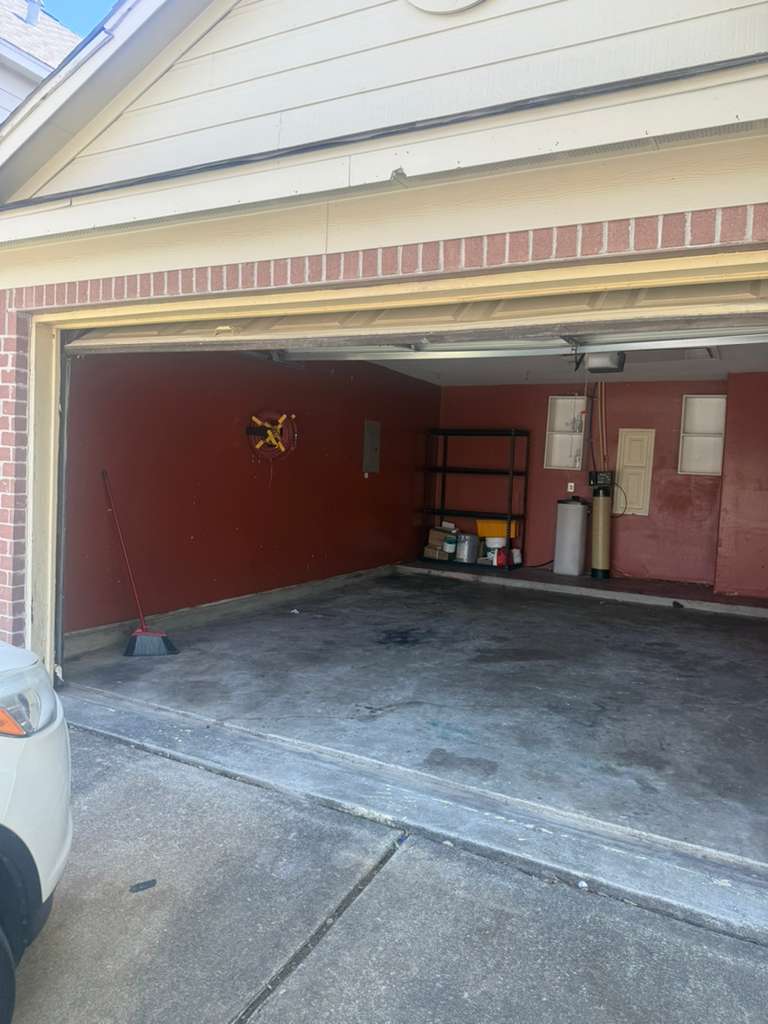
The big garage door usually uses a remote, not a key. The key issue is often the side door of the garage and the door from garage into the house. Those should be on your checklist.
My key turns, but the door does not open. Is that a rekey problem?
That is often a latch, alignment, or hardware issue, not a key-pin issue. A locksmith can inspect it and suggest the right fix.
Can weather make my lock feel like the wrong key?
Yes. Humidity and heat can make locks feel sticky and doors swell. If your key works some days and fights you on others, the door or lock may need attention.
If you are in Houston and want your doors rekeyed after a move, a roommate change, or lost keys, ASAP Locksmith can help you reset key control fast and make sure no entry point gets skipped. Call (832) 404-0102 or visit https://www.asap-locksmith-pros.com to schedule service and get your locks working smooth with keys you control.
For related help, you can also review Residential locksmith and submit a request through Contact Us.