Rekey or replace feels like a coin flip
Rekey or replace feels like a coin flip. Here is the short path. Rekey when keys are lost or you move in and the lock body still works. Replace when the lock is worn, loose, rusted, broken, or you want a new style or smart pad. If the door or frame is damaged, fix that first, then pick rekey or replace.
Why this question keeps popping up
Locks look simple, but many small parts work together. The key cuts line up pins, the core turns, the bolt slides, the strike plate holds it. If even one part is off, the door can feel sticky or weak. So the right move depends on the lock body, the keys you control, and the door itself.
What rekeying does and when it makes sense
Rekeying keeps your lock on the door. The locksmith swaps tiny pins inside the core so old keys stop working and new keys work. No big holes to drill, no new faceplates to fit. It is fast, clean, and keeps your door look the same.

Good times to rekey
- You lost a key and worry a stranger could find it.
- You moved into a home and do not know who has old keys.
- A tenant moved out and you want fresh keys without new hardware.
- Roommates changed and you want a clean start.
- Your lock brand is solid and you like the look.
When replacement is the smarter move
Sometimes a new lock is best. If the lock body is worn or the bolt sticks, fresh parts give you smooth action. If you want a new finish or a smart keypad, rekeying will not do that. New locks can add a sturdier bolt, a stronger strike plate, or a keypad that holds code access for guests.
Good times to replace
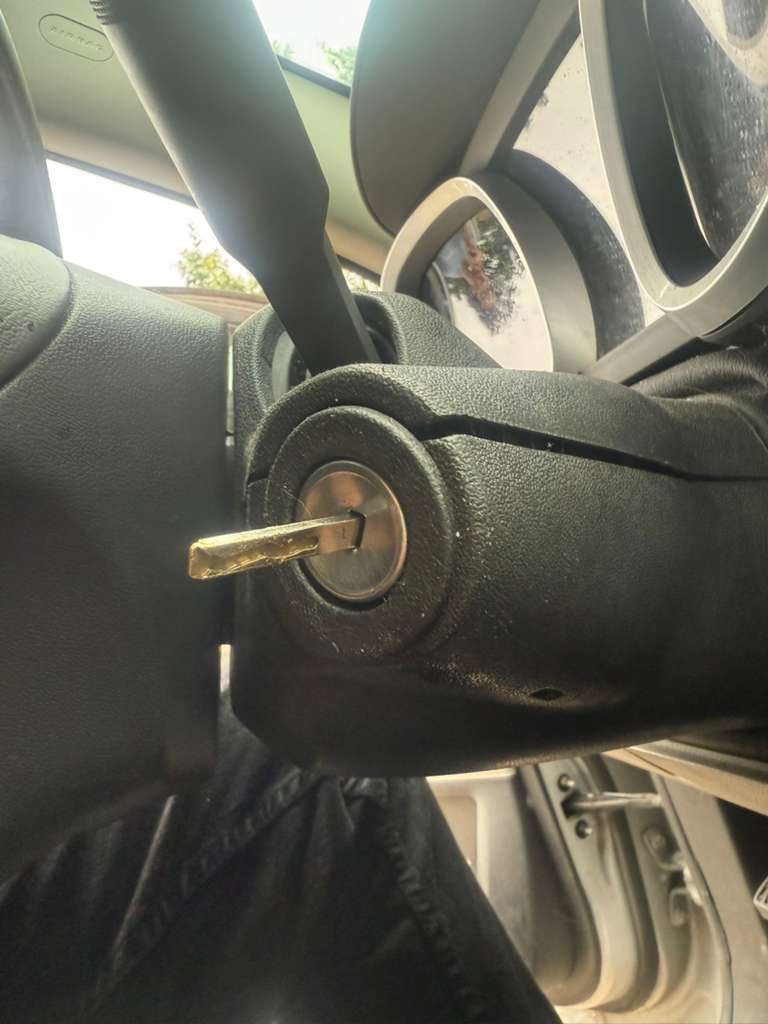
- The key turns hard or the key comes out while the lock turns.
- The bolt does not line up, even after small hinge tweaks.
- The faceplate or cylinder is loose or wobbly.
- You see rust, green stains, or pitting from humidity.
- You want a smart lock, keypad, or a stronger grade.
- The lock model is odd and parts are hard to find.
A simple path to decide
Think of it like picking boots for a muddy yard. If your boots are fine but you lost the laces, just get new laces. If the soles are cracked, get new boots. Same idea with rekey or replace.
What we usually see in Houston, TX
- Lost keys after a game near NRG Stadium, rekey saves the day.
- Move-ins around The Heights and Montrose, rekey right away for peace of mind.
- Weather wear along the Gulf air, deadbolts stick or rust, replacement helps.
- Office rekeys along Westheimer and near the Galleria, keys change hands often.
How weather and wear change the call
Houston heat and humidity are no joke. Metal grows a hair in summer, then shrinks when cool rain rolls in. Doors swell, bolts scrape, screws back out. Humid air also feeds rust on cheap locks. If your deadbolt sticks more after a storm, the door may need a hinge tweak or a strike plate shift. If you see rust or flaking, replacement lasts longer than yet another rekey. During cold snaps, old weak springs can snap without warning. That is a sign to replace, not rekey.
Safety and key control basics
Key control means you know who can walk in. If keys went on a road trip without you, rekey fast. If an ex-employee kept a key to your shop off Katy Freeway, rekey the main doors and any file cabinets that matter. If a contractor lost a spare, rekey before the next job. Rekeying cuts off old keys in a flash and hands you a clean set.
Hardware types and brand quirks
Most common locks take rekeying well. Pin tumbler deadbolts and knob locks are simple to pin. High security brands may need special keys you must keep track of. Some import knobs use soft metal. They wear fast in Houston humidity, so replacement is smarter once they start to grind. If the lock is a rare model or the core is fixed in place, rekey can be slow. At that point, a new deadbolt with a better grade pays you back in smoother use.
Doors, frames, and strike plates
A strong lock still needs a tight home. Loose hinges drop the door and the bolt scrapes the strike. A bent strike plate lets the door bounce on impact. Before you buy new hardware, check this quick set.
- Close the door and watch the latch meet the strike. If it drags high or low, tighten hinge screws or add a hinge shim.
- Look at the strike plate screws. If they are short, swap for longer screws that bite into the stud.
- Feel the weather strip. If it pushes hard on the door, it can push the bolt off line. Trim or reset it.
Once the door lines up, you can judge the lock. Many sticky locks feel fine once the door sits right. If it still grinds, the lock is worn.
Smart locks and keyless pads
Smart locks make sense in rentals and busy homes. You can give a code to the dog walker, then delete it later. No more spare keys under the mat. In heat and rain, pick smart locks with a metal housing and a gasket. That helps fight moisture. Keep spare batteries. Swap them before they run low, not after the beeps start. If you go smart, that is a replacement. You cannot rekey your way to a keypad.
Garage, mailbox, and padlocks
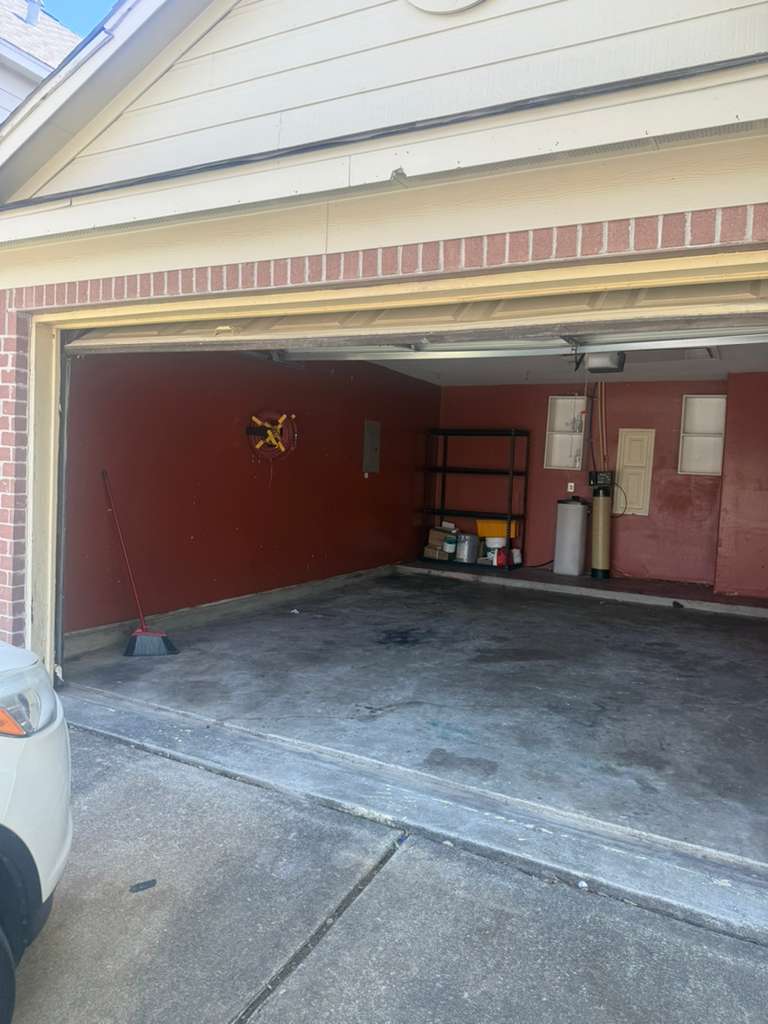
- Garage side doors use simple knob sets. If keys are lost but the lock turns smooth, rekey is fine.
- Mailbox locks often use small cams. They are cheap, so replacement is the fast fix when sticky.
- Padlocks live outside. If a padlock sticks or shows rust, replacement beats rekey most times. Pick a weather rated model.
Business use in Houston
Shops on Westheimer, warehouses near Beltway 8, and offices downtown see key turnover. Rekey is great for routine staff change. Replace when you need restricted keys, a stronger grade, or a keypad at the back door. Many stores run a master key plan. A locksmith can rekey cylinders so the manager key opens all doors, while staff keys open just what they need.
Troubleshooting steps you can follow
- If you lost the only key and the lock still turns smooth, rekey the cylinder.
- If someone moved out and the lock body works fine, rekey right away.
- If the key sticks, first lube with a dry graphite or a lock safe spray, if still sticky, replace.
- If the bolt hits the strike, tighten hinge screws and adjust the strike, if drag stays, check the lock for wear.
- If the lock wiggles or the faceplate is loose, tighten screws, if the wiggle stays, replace.
- If you want a new finish or a keypad, replace, rekey will not change style or add tech.
- If a break-in bent the door or frame, repair door and frame first, then replace the lock.
- If keys were shared with contractors, rekey after the project wraps.
- If rust or green stains show on the lock, replace with a weather rated model.
- If a key can pull out while turning, replace, parts inside are worn.
A quick chat that paints the picture
Neighbor says, My key turns but I have to jiggle it like a dance. You say, Try a quick puff of lock spray. If that fails, we might be past the point of rekey. Time for a new deadbolt. He laughs, Good, I wanted a keypad anyway. You nod, Then let us pick a keypad that laughs at humidity.
When rekey is a better spend
Rekeying is great when your lock is a good brand, the bolt throws smooth, and you just want new keys. It is fast, clean, and keeps hardware you like. Think of it like changing the code on a safe. Same safe, new combo. It also helps with master key plans. A shop can rekey cylinders and set a grand key that opens all doors while worker keys open only a few.
When replacement pays off
Replacement shines when the lock feels gritty or loose. Each turn with a worn spring or a grooved pin wears it more. A fresh deadbolt fixes the grind and adds a stronger feel. If you want a new finish to match a remodel, or a smart keypad for kids who lose keys, that is a straight swap.
Grade and strength tips
Pick a deadbolt with a solid throw and a reinforced strike. A through bolt design holds knobs tight. Long screws in the strike plate add real bite into the stud. That helps during strong storms and keeps the door firm over time.
Key control in rentals
If you run a rental near Rice Village or Midtown, plan rekeys on each tenant change. If a tenant lost a key, rekey fast. Keep a log of every key you hand out. Number them. When keys come back, check the count against your list. If one is missing, rekey.
Kids, aging locks, and daily use
Kids tend to twist keys hard or hang on the knob. Aging locks start to complain. If you see keys bending, stop and check the latch and strike. A bent key puts odd wear on pins. That speeds up the day when you must replace. Teach a simple trick. Pull the door tight, then turn the key. It takes stress off the bolt.
Basic lube and cleaning
Use a lock safe spray or graphite. Avoid oily sprays that attract dust. Spray a small puff into the keyway, then run the key in and out. Wipe off grime. If you see black paste on the key, that is old grease and dust. Clean it up. If the feel does not improve, the parts inside may be worn.
Common myths and the real facts
- Myth Rekeying makes locks weaker.
Fact Rekeying changes pins and keys, strength stays the same. - Myth A keypad means you do not need a deadbolt.
Fact A keypad is a way to control access, the deadbolt still does the heavy lifting. - Myth WD type oils fix any sticky lock.
Fact Oily sprays grab dust and can gum up parts, use a lock safe lube. - Myth Only a full new door can fix a sticky deadbolt.
Fact Many sticky deadbolts come from loose hinges or a misaligned strike, a small tweak can fix it.
Care schedule that keeps locks happy
Weekly
- Wipe door hardware with a dry cloth to clear dust and grit.
- Teach family to pull the door tight before turning the key.
Monthly
- Test every door. Lock and unlock from inside and outside.
- Check hinge screws. Tighten if any feel loose.
- Puff a small shot of dry lube into deadbolts that feel dry.
Yearly
- Inspect weather strip and adjust if it pushes hard on the door.
- Swap short strike plate screws for long ones if not already done.
- For smart locks, change batteries before they run low and check the rubber gasket.
Extra tips for Houston weather
- Use a weather rated lock on doors with sun or rain exposure.
- Add a small awning or a door sweep to cut rain splash.
- In hurricane season, check that the strike plate is tight and the bolt throws clean.
Signs your lock needs help right now
- You must jiggle the key every time.
- The bolt does not fully extend.
- The key turns but the door stays unlocked.
- The thumb turn spins without grabbing.
- The lock got wet inside during a storm.
What about master keying
A locksmith can set pins so a door opens with two different keys. The tenant key opens one door. The manager key opens many. This saves time and cuts key rings in half. When a tenant leaves, rekey just that door to a new cut and keep the manager key working.
Door material and lock choice
- Metal doors hold screws well, great for heavy use locks.
- Wood doors can split near the strike. Use long screws and a reinforced strike.
- Fiberglass doors can swell a hair with heat. Check the bolt fit twice a year.
Key types you might have
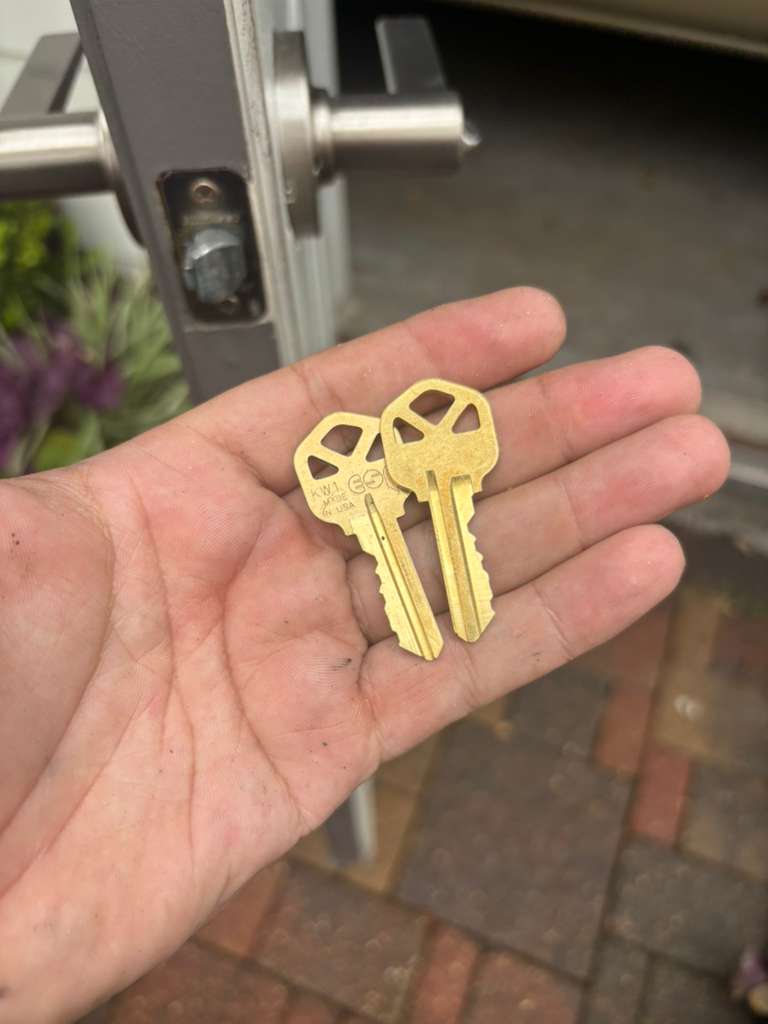
- Standard pin keys. Easy to rekey and copy.
- Restricted keys. Copies need a card or a shop that holds that key profile.
- Dimple keys. They look fancy, still rekeyable with the right parts.
If your place uses restricted keys, rekey is still fine, just plan the visit so the right blanks are on hand.
Rentals and short term stays
Short term rentals near Midtown or near the Medical Center change guests often. Keypads and smart deadbolts cut hassle. Set a code per guest. Clear the code when they check out. Keep a physical key in a lock box for backup. Check batteries on a set day each month.
Simple door fit test
Close the door. Look at the gap along the latch edge. A clean, even line is the goal. If the gap is tight up top and wide at the bottom, the door sagged. Tighten the top hinge screws. If the screw spins, step up to a longer screw that reaches the stud. This can fix many sticky locks without a new lock or a rekey.
If you tinker or call a pro
Many folks can handle hinge screws, strike plate moves, and light lube. When pins, cores, or smart lock setups come into play, a pro saves time and keeps key control tight. Rekey sets, test keys, and pin charts take practice. A bad pin stack can trap a key or lock you out. If you feel stuck, do not force the key. A broken key adds more work.
Lost keys and renters or roommates
When a roommate moves out, plan a rekey that same week. If you wait, you may forget who still has a key. Fresh keys stop late night surprises. Hand out keys and write down the count. Pick a key head color per person if that helps.
Mailbox and HOA notes
Many Houston HOAs ask you to match finishes. If you need to replace, pick a finish that plays nice in heat and humidity. Satin finishes hide prints and salt haze better than mirror finishes. For mailbox locks, check with USPS rules before you swap a cluster box lock. Some locks need a postal tech to change.
Car keys and house keys
People mix them on a ring. Heavy rings pull on the cylinder. That wear shows up first on knob locks. Keep the house key on a light ring. Your ignition will thank you too.
Pet doors and locks
A pet door adds a cutout and can flex a panel. This can shift the deadbolt a bit. When a new pet door goes in, test the deadbolt and strike. A small shift with the strike can keep the lock smooth.
If you just moved into a home in Houston
Rekey day one. You do not know who has old keys. Agents, cleaners, past owners, and contractors can have copies. Rekey the front, back, and any side doors. Do not forget the garage side door and any shed door with a proper lock. If the hardware looks old, mix a rekey with a few new locks where needed. That keeps budget and safety in line.
If you had a break in
First breathe. Then look at the door edge and frame. Wood can split near the strike. Fix that before you judge the lock. Add a reinforced strike plate with long screws. Replace any bent deadbolt. Rekey other doors so you feel safe while you repair.
If you want the same key for all doors
This is called keying alike. A locksmith can rekey locks of the same brand to the same key. Mixing brands can still work if they share the same keyway. If not, you may replace a few cylinders so all match. The gain is big. One key fits all.
If you manage a small shop
Plan a rekey schedule. When staff change, rekey the front and back. Keep a manager key and a cleaner key. If a cleaner loses a key, rekey the back door and keep the front as is. This keeps cost and work tight while keeping control.
If X then Y, quick list you can save
- If your lock turns smooth and keys are lost, rekey.
- If your lock grinds or sticks, replace.
- If you want a new finish or keypad, replace.
- If the door is misaligned, fix the door first, then decide.
- If a tenant leaves, rekey.
- If you see rust or wobble, replace.
- If you have many keys and want one key for all, rekey to match or replace a few to match.
FAQs
Q Why choose rekey over replacement
A Rekey keeps your hardware and changes the working key. It is fast and keeps the same look. Pick it when the lock body still works well.
Q When should I replace the whole lock
A Replace when the lock feels worn, loose, rusty, or you want a new style or smart keypad. Replace after door or frame damage too.
Q Can I rekey after I move into a Houston home
A Yes. It is smart to rekey right after you get the keys. You gain full key control from day one.
Q Does Houston heat affect locks
A Yes. Heat and humidity can swell doors and add friction. Lube can dry. Screws can back out a bit. A quick tune keeps things smooth.
Q Is smart lock battery life a worry in heat
A Heat can shorten battery life. Keep good spares. Swap them on a set date. Check the gasket to keep moisture out.
Q Can all locks be rekeyed
A Most pin locks can be rekeyed. Some odd or very cheap models do not take pins well. In those cases, replacement makes more sense.
Q Will rekeying fix a sticky key
A Not if the parts are worn or the door is out of line. Try lube and door tweaks. If it still sticks, replacement is best.
Q Do I need to change the strike plate too
A If the plate is thin or loose, upgrade it during a lock change. Long screws and a solid plate add strength.
Q Is it safe to use oil on my lock
A Avoid heavy oils. They trap dust. Use a lock safe spray or graphite for the keyway.
Q Can I get one key for front and back doors
A Often yes. A locksmith can rekey to one key if the locks share a keyway. If not, a small hardware swap can match them.
Final thought you can take to the door
Rekey or replace does not need to be a headache. Look at key control, the feel of the lock, and the state of the door. If keys are loose but the lock is healthy, rekey. If the lock is tired or you want new features, replace. Houston weather adds wear, so set a light care plan and stick with it. When in doubt, a short check by a pro can save you time and stress.
Need fast help in Houston
ASAP Locksmith can rekey, replace, repair doors and strikes, set up smart pads, and set master key plans for homes and businesses. Our local team knows Houston weather and hardware, so your locks work smooth in heat and rain. Call <tel:+1>832-404-0102</tel:+1> or visit https://www.asap-locksmith-pros.com for quick service and clear next steps that fit your place.