
Automotive Locksmith
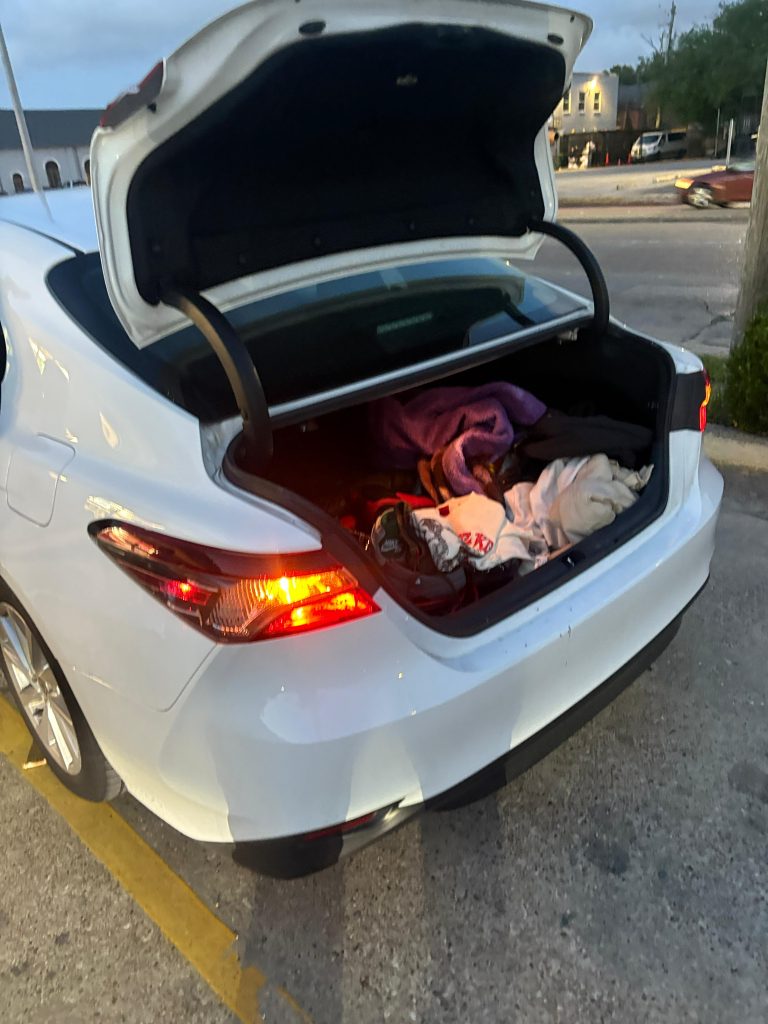
Keys Locked in the Trunk? What Drivers Should Do Next
Keys locked in the trunk can leave you stranded fast. Check safe access options first, avoid forcing entry, and choose reliable help.
License Number: B03034501

ASAP Locksmith provides mobile residential lock repair across Houston, TX for deadbolts, knob locks, lever locks, smart locks, and residential lock rekeying needs. We inspect the problem, repair what can be fixed, and help restore safe, smooth access.
Residential lock repair fixes damage, wear, and poor lock function before a small issue turns into a lockout situation.
A house lock should turn smoothly, latch fully, and feel solid every time you use it. If it drags, catches, or needs a wiggle dance to behave, something is off. Good repair work focuses on the actual cause, not just the symptom.
At ASAP Locksmith, we handle home lock problems on doors, side entries, garage access doors, patio doors, and more. Our mobile residential locksmith team comes to your location in Houston or nearby areas with the tools needed to inspect parts, test alignment, and repair many common lock issues on site.
Residential lock repair covers more than a broken key stuck in a deadbolt. It can include latch adjustment, cylinder repair, strike plate correction, fixing loose hardware, repairing worn keyways, addressing misalignment, and restoring proper lock operation after attempted forced entry or heavy use.
Have you been pushing your shoulder into the door just to lock it? That is often a sign the problem is not only the lock itself. The door, frame, latch, and strike all work together.
Many homeowners wait until the lock fully fails. That can lead to getting stuck inside, locked out, or unable to secure the house at night. It is smarter to act when the lock starts showing warning signs. If the problem worsens suddenly, an emergency locksmith may be the next step.
Some signs show up after weather changes. Others happen after years of daily use. If a lock suddenly gets harder to use, that change matters. A properly working residential locksmith service issue should not require luck, force, or a pep talk.

Home locks deal with constant use, changing temperatures, humidity, door movement, and occasional rough handling. In Houston, TX, heat and moisture can affect metal parts and door alignment over time. In many cases a timely lock replacement is not needed when repair can solve the issue first.
A lock can look fine from the outside and still have damaged internal parts. That is why a full inspection matters. The issue may start with the key, but the real cause could be the cylinder, latch assembly, or strike alignment. If key wear is part of the issue, residential key duplication may also help.
You should know what is wrong before anyone starts taking things apart. We begin by checking the lock, the key, the door, and the frame. We test how the latch and deadbolt move, how the key turns, and whether the door lines up correctly when closed. When repair is not the best long term choice, we may discuss residential lock installation or replacement options.
If the issue is simple, the fix may be quick. If several parts are working against each other, the job can take longer. We keep the process focused on restoring dependable function and helping you understand what changed.
Not all residential locks fail in the same way. A classic single cylinder deadbolt has different repair points than a keypad lock or an entry handle set with a thumb latch. We work on a wide range of home locking systems and door hardware. For broader home security needs, our residential locksmith team can help identify the right service.
Deadbolt repair restores stronger door security when the bolt sticks, binds, or fails to throw fully. Deadbolts are a key part of front door security. If the bolt drags or stops short, the problem may be inside the cylinder or in the door alignment. We inspect both. If the hardware is beyond repair, residential lock replacement may be the better choice.
A deadbolt should extend cleanly without force. If it feels like arm day every night, it needs attention.
Knob and lever lock repair fixes latches that jam, slip, or stop retracting the way they should. Interior and exterior knob or lever locks can loosen over time. Springs wear out, latch parts stick, and handles stop returning fully. A door that will not latch can be just as frustrating as one that will not unlock. Similar issues may show up at a garage entry door or in apartment settings.
These problems are common on side doors, garage entry doors, laundry room doors, and bedrooms with privacy locks.
Smart lock repair helps when the electronics work but the lock still does not operate correctly. Smart locks often have both electronic and mechanical parts. If the keypad responds but the deadbolt does not move, the issue may be alignment, motor strain, mounting pressure, or a worn internal component. Some property owners also compare this with keyless entry systems for other types of doors.
If your smart lock seems moody, the door may be the real troublemaker.
Rekeying can be part of the repair plan when key control is the issue, not the whole lock. Sometimes the lock hardware works, but you no longer want old keys to operate it. Residential lock rekeying changes the lock to work with a new key. This can be useful after moving, lost keys, tenant turnover, or household changes.
Some repairs are simple adjustments. Others involve disassembly, cleaning, part correction, and alignment work. A lock on a well fitted door is often easier to repair than a lock on a sagging frame. If several issues stack up, moving from repair to lock installation may be worth discussing.
If the lock issue has been ignored for a long time, more than one part may be worn. That does not always mean replacement. It does mean the repair needs a careful approach.
Many homeowners try spray lubricants, random screw tightening, or key jiggling marathons. Sometimes that helps for a day. Sometimes it turns a repairable lock into a bigger problem. If the door is stuck or security is compromised, contact an emergency locksmith instead of forcing the hardware.
If a key is hard to turn, do not force it. A broken key inside the cylinder adds another layer to the repair. And yes, locks always seem to fail when you are already late.
You do not need to take the lock apart. In fact, please do not turn your dining table into a hardware crime scene. A little preparation helps us get right to the issue. If you are unsure whether the problem is with the lock or the key, having spare copies from a past key duplication service can be helpful for testing.
These details help us narrow down the cause faster. A lock that failed after a storm may point to swelling or frame movement. A lock that worsened over months may point to wear.
Once the lock is working again, a few habits can help prevent repeat issues. Most locks do not need much attention, but they do benefit from basic care and gentle use. If repeated sticking returns, it may be time to revisit lock repair before the door becomes unreliable again.
If the door starts rubbing the frame again, the lock may not be the only issue. Catching alignment changes early can save wear on the lock.
Local conditions in Houston and across Texas can affect door hardware more than many people expect. Moisture and heat can contribute to swelling, corrosion, and shifting in doors and frames. After a strong storm, a door may sit differently even if the lock looked fine before. These are common reasons homeowners call for residential lock repair in Houston, Texas.
| Houston condition | Possible effect on residential locks |
|---|---|
| High humidity | Sticky cylinders, rust, swelling around door edges |
| Heat and sun exposure | Drying, expansion, hardware stress on exterior doors |
| Heavy rain | Frame movement, latch misalignment, harder deadbolt operation |
| Frequent use | Worn keys, loose screws, tired springs and latch parts |
Front doors that get direct sun can shift enough to affect locking. Side garage doors often see heavy daily use and take a beating. Patio and back doors may collect dirt and moisture that interfere with smooth operation. Nearby access points like a garage door entry lock can show the same wear patterns.
Have you noticed the lock acts up more in the afternoon than early morning? That can point to heat related alignment change. Those patterns help us diagnose the issue during residential lock repair in Houston.
A lock repair visit should not feel confusing. We keep it straightforward. We inspect the lock, explain what is going on in plain language, and work to restore secure function without turning a small issue into a bigger project. Homeowners looking for an experienced residential locksmith in Houston, TX often want that direct approach.
We work with the full door and lock system, not just the visible trim. That matters because many bad lock calls actually involve both lock wear and door alignment. Fixing only half the problem is like replacing one shoe and hoping running gets easier. If needed, we can also help you compare repair with replacement.
If your key sticks, the deadbolt drags, or the latch will not catch cleanly, it is time to have the lock checked. Waiting can leave you dealing with a full failure at the worst moment. A repair done at the right time can restore safer, smoother use and help protect your home.
ASAP Locksmith provides mobile residential lock repair for homeowners across Houston, Texas. Whether the issue is a front door deadbolt, a worn knob lock, a sticking lever, or a smart lock that no longer moves properly, we are ready to inspect the problem and help you move forward.
Need help now or want to schedule a visit? Call (832) 404-0102 or use the contact page to reach ASAP Locksmith. If your door lock has been acting suspicious lately, trust your instincts. Residential lock repair in Houston can save you a lot of hassle later.
Residential lock repair is the process of fixing issues with home door locks so they work more smoothly and securely. ASAP Locksmith provides residential lock repair service for homeowners.
Common signs include difficulty turning the key, a loose lock, a sticking deadbolt, or a lock that does not latch properly. ASAP Locksmith provides residential lock repair for these types of common lock problems.
In many cases, a lock may be repairable depending on its condition and the type of issue involved. ASAP Locksmith provides residential lock repair and can address many common lock concerns.
Many home locks may be repairable, including deadbolts, knob locks, lever handle locks, and other common door lock types. ASAP Locksmith provides residential lock repair for a variety of household lock systems.
A lock that is hard to turn may indicate wear, alignment issues, or internal lock problems. ASAP Locksmith provides residential lock repair to help address these issues.
If a lock has been damaged during a break-in attempt, repair may be possible depending on the condition of the hardware. ASAP Locksmith provides residential lock repair for damaged home locks.
Older locks can sometimes be repaired if the components are still usable and the lock is in serviceable condition. ASAP Locksmith provides residential lock repair for many types of home locks, including older hardware.
Sticking or misalignment can happen due to wear, door movement, or issues with the lock mechanism. ASAP Locksmith provides residential lock repair to address common alignment and function problems.
Repairing a malfunctioning lock can help restore proper operation and support the security of your home. ASAP Locksmith provides residential lock repair as part of home lock service.
A professional locksmith is typically the right choice for diagnosing and fixing home lock issues. ASAP Locksmith provides residential lock repair service.
Keys locked in the trunk can leave you stranded fast. Check safe access options first, avoid forcing entry, and choose reliable help.
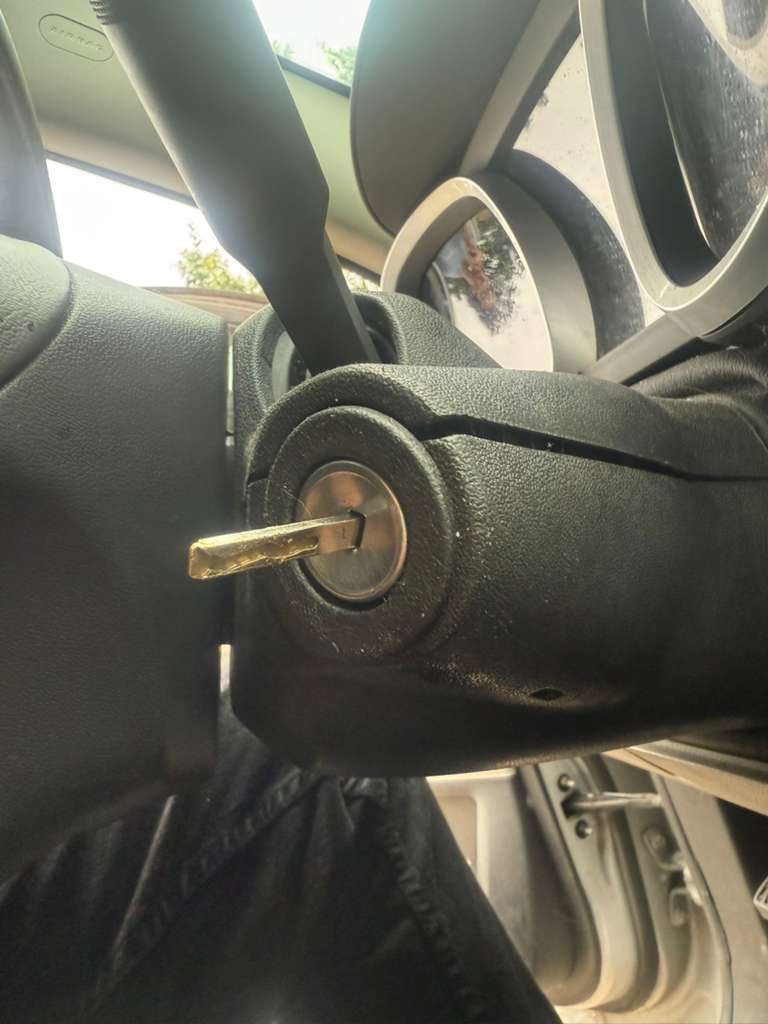
A key won’t turn in ignition can come from a locked steering wheel, a worn key, a shifter issue, or a failing ignition cylinder. Avoid force, make a few safe checks, and get help before the key or ignition breaks.

A copied metal key may open a door but still fail to start a modern car. Learn when a replacement needs cutting, programming, or both.