
Automotive Locksmith
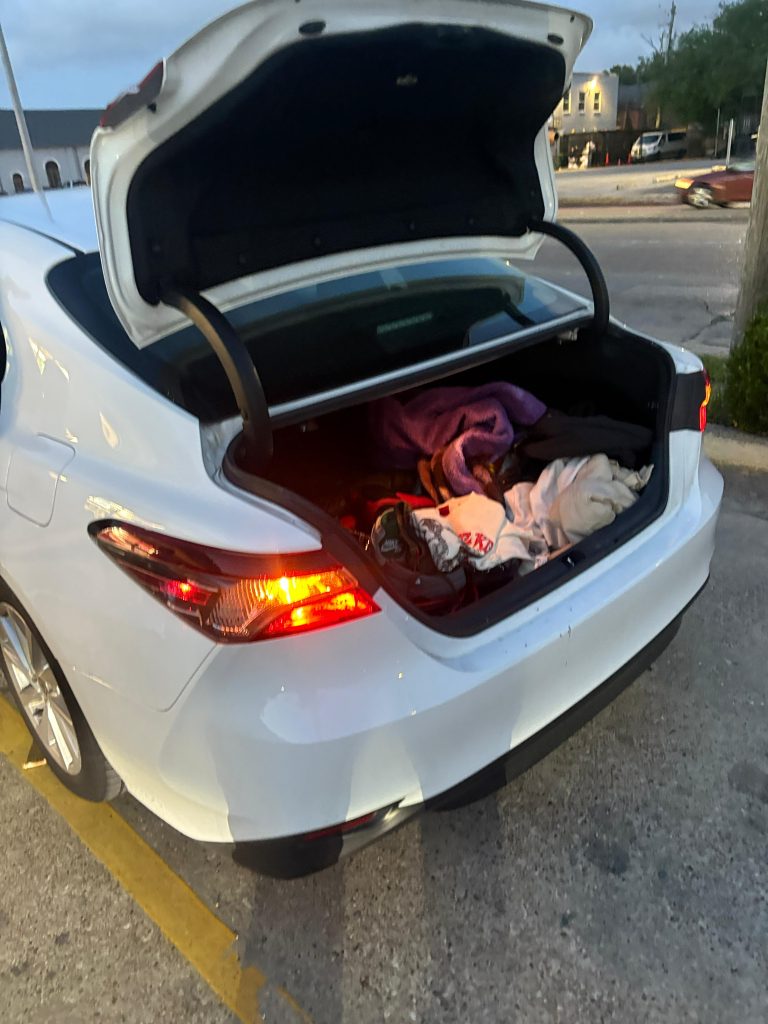
Keys Locked in the Trunk? What Drivers Should Do Next
Keys locked in the trunk can leave you stranded fast. Check safe access options first, avoid forcing entry, and choose reliable help.
License Number: B03034501
Get panic bar installation in Houston from ASAP Locksmith. We install exit hardware for commercial doors, offices, and other business properties.

ASAP Locksmith provides panic bar installation in Houston for businesses that need safer, code ready exit doors that open fast during an emergency. We install and replace panic bars on commercial doors across Houston, TX, and Texas, check door function, and make sure the hardware fits the door, frame, and daily traffic.
Panic bar installation adds fast exit hardware to commercial doors so people can leave quickly and safely. A panic bar is the horizontal push bar found on many exit doors in stores, offices, schools, churches, and warehouses. You push the bar, the latch releases, and the door opens outward. It is simple by design, which is exactly the point when people need to move fast.
This service is about more than putting a bar on a door. The door, frame, latch, strike, closer, and exit path all need to work together. If one part is off, the door may drag, fail to latch, or become hard to open at the worst time. For broader door and hardware help, businesses often also rely on a commercial locksmith.
ASAP Locksmith handles panic bar installation for many types of commercial properties in Houston. Need a new exit device on a back door, replacing an old bar that sticks, or upgrading a main exit after tenant improvements. We can help with panic bar installation, exit device installation, and related commercial lock replacement work.
You may need this service if your exit door sticks, slams, fails to latch, or lacks proper push bar hardware. Many business owners do not think much about exit hardware until there is a problem. Then the issue becomes very obvious, very fast, and usually at a bad time. A panic bar should work with one steady push. If it takes force, gets jammed, or needs a special trick, that is a sign to get it checked.
Do any of these sound familiar. If so, the problem may be with the bar itself, the door alignment, or both. In some cases the issue overlaps with commercial lock repair or full commercial lock installation.
Panic bars are commonly installed on retail, office, school, church, restaurant, and warehouse doors. Not every commercial door uses the same setup. Door material, door swing, traffic flow, and lock needs all affect the right hardware choice. A narrow aluminum storefront door needs a different device than a hollow metal rear exit. That is why many owners pair this work with a visit from a locksmith for buildings.
ASAP Locksmith works on many common commercial door types in Houston, including openings that may also need push bars or crash bar installation.
Some doors need rim exit devices. Others may need vertical rod devices, mortise setups, or panic hardware that works with keyed exterior trim. The right match matters. A panic bar should fit the door and how the building is used, not just the opening size. Some locations also combine this with commercial access control systems or commercial keyless entry systems for outside access.
The most common causes are wear, poor alignment, wrong hardware, and heavy daily use. Commercial doors take a beating. Staff members push carts through them. Deliveries hit the bar. Closers pull hard. Weather affects metal parts and door movement. Over time, parts loosen or wear down.
Houston weather can also play a part. Heat, humidity, and frequent use can lead to sticking doors, swelling around wood components, and corrosion on exposed hardware. A panic bar cannot do its job well if the door itself is fighting it. Some related door problems may call for commercial lock repair before or during the install.
Our visit starts with checking the door, frame, hardware fit, and exit function before any installation begins. A proper install starts with inspection, not guesswork. We look at the whole opening because panic hardware depends on good alignment and a clear exit path. A bar can be mounted perfectly and still fail if the door is warped or the strike is off.
If the door has more than one issue, we explain what is affecting performance. Sometimes the panic bar is only half the story. A dragging threshold or twisted frame can turn a simple install into a door correction job too. In those cases, related commercial lock installation or commercial lock replacement may be part of the solution.
Panic bar installation in Houston often includes new installs, replacements, upgrades, and hardware adjustments for commercial doors. Businesses call for this service for different reasons. Some are outfitting a new space. Some need to replace damaged hardware after years of use. Others are fixing doors that never worked quite right from day one.
Some businesses also need hardware that supports controlled access from the outside while keeping quick egress from the inside. That setup needs careful part selection so daily use stays simple for staff and visitors. Depending on the opening, this can connect with access control systems or intercom systems.
The right panic hardware depends on the door type, traffic flow, and how people enter from the outside. There is no single panic bar that fits every commercial door. Picking the right device helps the door work better and last longer.
| Door setup | Common hardware approach | Typical use |
|---|---|---|
| Single rear metal door | Rim exit device | Back exits and service doors |
| Storefront aluminum door | Narrow stile panic hardware | Retail and office entries |
| Double doors | Surface vertical rod or other paired setup | Assembly and larger openings |
| Door with outside key access | Panic device with exterior trim | Staff entry with inside egress |
The best choice depends on the actual opening. Door width, frame depth, latch style, and user flow all matter. If your staff enters from one side and customers exit from another, that changes what hardware makes sense. Similar planning is often useful for exit device installation.
Most installations are straightforward, but door condition, hardware type, and alignment can affect the time needed. A standard install on a suitable door is usually direct. Trouble starts when the door has hidden issues. Bent frames, worn hinges, poor door prep, and nonmatching older hardware can all slow things down.
If your door has been repaired several times over the years, it may show a bit of creative history. That is not unusual in busy buildings. We sort through what is there and work on a clean, functional result. Where needed, we may recommend related commercial lock repair.
You should stop using a problem exit door if it binds, will not latch, or takes unusual force to open. Exit hardware is a safety item. If a door is unreliable, it should not be ignored. Staff may get used to quirks, but that does not make the door safe or practical. If the issue is urgent, ask for an emergency locksmith.
A panic bar should not require instructions. If someone has to say push hard then pull a little then try again, the door needs attention. If you are unsure which hardware service fits, a commercial locksmith can inspect the opening.
You can prepare for the visit by clearing the area, sharing door details, and noting how the problem happens. A little prep helps the visit go more smoothly. It also helps us bring the right hardware approach for your opening.
If you manage multiple doors, mark which one is giving trouble. The one by the thing near the back can be solved, but it may take more detective work than anyone wants. For multi door properties, help from a locksmith for buildings can be useful.
After installation, regular checks help the panic bar keep working smoothly and reduce avoidable wear. Once the device is installed, daily use and routine observation matter. Commercial doors work hard, and small issues are easier to correct early than after parts start failing.
If the door starts acting different after a delivery, weather change, or nearby construction, have it looked at. Small alignment changes can show up first in the exit hardware. Follow up service may involve commercial lock repair or adjustment of the exit device.
Houston properties often need panic hardware that handles heavy use, changing weather, and varied building layouts. Commercial buildings in Houston, TX range from compact storefronts to large warehouses and office suites. Each property has different door demands. A restaurant may have steady foot traffic and back door vendor access. A warehouse may need durable rear exit hardware on metal doors. A church or event space may need reliable operation on doors used by larger groups.
Texas weather also matters. Heat and humidity can affect how some doors move and close. Exterior doors face more wear from moisture, use, and temperature shifts. If a panic bar is installed without checking the full door condition, these local conditions can show up fast. That is why we look at the opening as a working system, not just a single hardware part. The goal is a push bar that feels right in real use on real Houston doors. Some properties also coordinate this work with commercial lock installation.
Businesses choose ASAP Locksmith because we focus on practical door function, clear communication, and prompt commercial service. You want the door to work. You also want to know what is wrong, what needs to be done, and what to watch for next. That is how we handle the job.
We keep the process practical. If the issue is the panic device, we address it. If the real issue is door alignment, frame fit, or another hardware conflict, we tell you that too. For other business hardware needs, we also handle safe installation and repair and more.
Panic bar installation in Houston is easy to schedule with ASAP Locksmith for commercial doors that need reliable exit hardware. If your exit door is hard to open, does not latch right, or needs a new push bar setup, now is a good time to get it handled. A working exit device helps your business run better and helps people move through the door the way they should.
ASAP Locksmith provides panic bar installation in Houston for commercial properties across Houston, Texas. Whether you need a new install, a replacement device, or help figuring out why the door keeps fighting back, we are ready to help. Call (832) 404-0102 or visit the contact page to schedule service.
A panic bar, also called an exit device, is a door hardware mechanism that allows people to open a door quickly by pushing a horizontal bar. ASAP Locksmith provides panic bar installation services.
Panic bars are commonly installed to support safe and efficient exit flow in commercial, public, and multi-occupancy buildings. ASAP Locksmith can help with panic bar installation for these types of properties.
Panic bars are often used on exit doors in offices, schools, retail spaces, restaurants, warehouses, and other commercial buildings. ASAP Locksmith provides installation for a variety of property types.
In many cases, a panic bar can be added to an existing door, depending on the door type, frame, and overall setup. ASAP Locksmith provides panic bar installation and can advise on general compatibility.
Panic bars are most commonly associated with commercial and public-use buildings, though they may also be used in certain multi-unit or specialized properties. ASAP Locksmith offers panic bar installation services for different building needs.
Panic bars are generally designed to allow exit from the inside while working with the door’s broader access and security setup. ASAP Locksmith provides panic bar installation as part of exit door hardware solutions.
Installation time can vary based on the door, hardware, and site conditions. ASAP Locksmith provides this service and can discuss the general installation process.
Panic bar installation may be possible on metal, aluminum, wood, or certain glass-door configurations, depending on the door system and hardware requirements. ASAP Locksmith provides panic bar installation for many common door types.
Professional installation is often helpful to support proper fit, function, and alignment with the door and frame. ASAP Locksmith provides panic bar installation services for commercial and other applicable properties.
Yes, ASAP Locksmith provides panic bar installation services. They can assist with general exit device installation needs for a range of commercial and property settings.
Keys locked in the trunk can leave you stranded fast. Check safe access options first, avoid forcing entry, and choose reliable help.
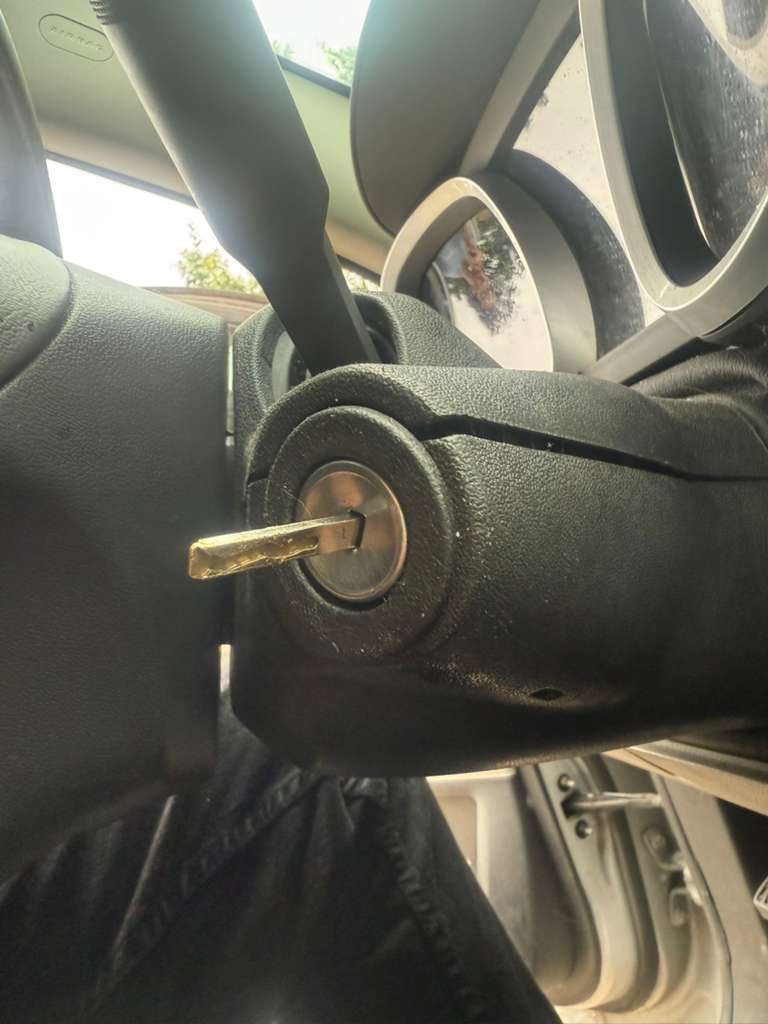
A key won’t turn in ignition can come from a locked steering wheel, a worn key, a shifter issue, or a failing ignition cylinder. Avoid force, make a few safe checks, and get help before the key or ignition breaks.

A copied metal key may open a door but still fail to start a modern car. Learn when a replacement needs cutting, programming, or both.