
Automotive Locksmith
When Do You Need a Locksmith for Work Trucks?
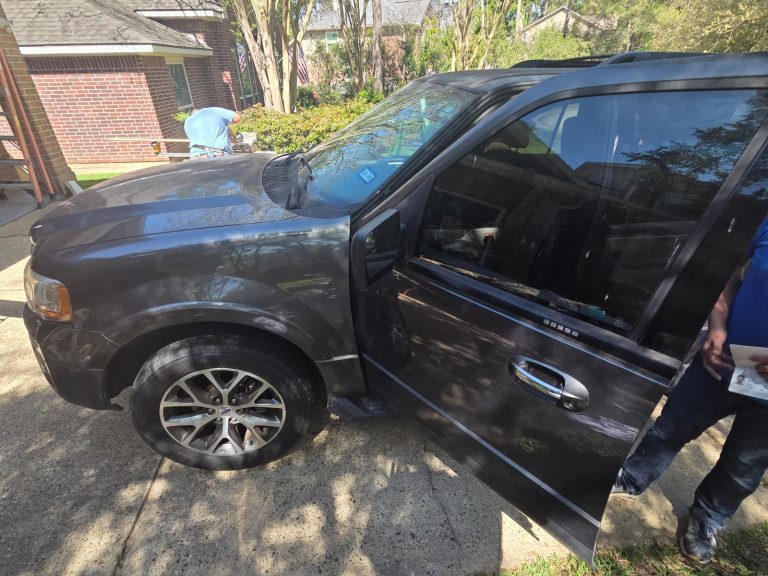
A locked cab, missing key, faulty fob, or stuck toolbox can stop a truck at the jobsite. Keep records, protect spare access, and know when to call a qualified locksmith.
License Number: B03034501

Panic Bar Installation in Atascocita helps businesses, schools, offices, and multi-tenant properties provide a quick way to open exit doors during an urgent situation. A properly fitted panic bar lets people push the door open from the inside without needing a key, knob, or complicated latch.
ASAP Locksmith installs and replaces panic exit hardware for commercial doors throughout Atascocita, TX. We assess the door, frame, existing hardware, exit path, and daily use of the entrance before fitting the appropriate device. The goal is simple. Your exit door should be practical for everyday use and ready when people need to leave quickly.
A panic bar is a horizontal push bar installed on the inside of an exit door. It releases the latch when someone presses the bar, allowing the door to open outward along the exit route.
You may also hear these devices called.
The name may change from one building manager to another, but the function is much the same. Press the bar and the door opens.
A common call sounds like this.
“The back exit is hard to open, and staff keep using the front door instead.”
That is a sign the exit hardware may need attention. A rear door that sticks, latches poorly, or has worn panic hardware can become a daily frustration. Nobody wants to wrestle a door while carrying boxes, taking out trash, or guiding customers toward an exit.
Panic bar installation is commonly needed at buildings where employees, customers, students, tenants, or visitors use exit doors. Atascocita has a wide mix of retail spaces, medical offices, dining locations, schools, churches, warehouses, and neighborhood service businesses that may use panic hardware.
ASAP Locksmith works with locations that have doors used by a few people each day and doors that see steady foot traffic.
Common properties include.
A small office may need one panic bar on a rear exit. A larger building may have several exterior doors with different hardware needs. The door near the loading area may need different components than the customer exit near the front entrance.
A commercial exit door should be easy to operate from the inside. This becomes especially relevant when people may be leaving quickly, carrying items, or moving through the building in groups.
Panic bars are useful because they allow a broad push motion rather than requiring a person to turn a handle or locate a thumb latch. That matters when visibility is low, hands are full, or people are trying to leave without delay.
Daily use matters too. Exit hardware often gets used more than owners realize.
Think about a busy lunch spot off Atascocita Road. Staff may use the rear door for deliveries, trash removal, break times, and closing routines. That hardware gets a workout. A panic bar that drags, rattles, or fails to latch can slow down normal operations long before it becomes an urgent issue.
Panic Bar Installation in Atascocita begins with reviewing the door and its role in the building. Not every door uses the same style of hardware, and the details matter.
ASAP Locksmith looks at factors like.
The existing hardware is removed when needed. The new panic device is fitted, aligned, and tested with the door, latch, strike, and closer. The door should open from the inside with a normal push and latch securely when closed.
A door can look fine from ten feet away and still have alignment trouble. A sagging hinge, bent strike plate, loose closer, or frame issue can affect how a panic bar performs. It is a bit like putting new tires on a car with a crooked wheel. The new part needs the surrounding parts working properly too.
The right panic hardware depends on the door setup and how people use the opening. A basic rim exit device may work well on a single exterior door. Double doors, glass storefront doors, and metal service doors may call for a different arrangement.
Common panic hardware types include.
A rim device mounts on the interior face of the door and latches into a strike mounted on the frame. These are often used on single doors with a standard frame.
They are common at.
Vertical rod hardware secures the door at the top and bottom. It is often used on paired doors where there is no fixed center post.
These can be found at.
A mortise device has components fitted into the edge of the door. This setup may be selected where the door construction and existing prep support it.
An alarmed panic bar can alert staff when an exit is opened. This may be useful for a door that needs to remain available for emergency exit use but should not be casually used as an everyday entrance.
Some doors need panic hardware on the inside and controlled entry from the outside. Exterior trim, levers, pull handles, or keyed components can be selected based on how staff, tenants, or delivery teams access the door.
In many cases, yes. Existing commercial doors can often be fitted with panic hardware after the door, frame, and current lock setup are reviewed.
A property may have an old pull handle and deadbolt setup that no longer fits how the building is used. Another location may have a worn bar that has been repaired a few too many times. There comes a point where the old hardware is simply waving a white flag.
Possible existing-door situations include.
The door and frame condition affects the work. If the door does not close correctly, has loose hinges, or has damage near the latch area, those issues may need to be addressed during the installation process.
Panic hardware is mechanical hardware. It has moving latches, springs, strikes, rods, and mounting points. Frequent use, weather exposure, door movement, and improper adjustments can all cause trouble.
Signs your exit bar may need service include.
A manager might say, “It works if you push it just right.”
That is usually not the standard anyone wants for an exit door. If the device only works with a special shoulder bump and a little luck, it deserves a closer look.
Door alignment has a major effect on panic bar operation. A panic device can be in good condition while the door itself is causing the problem.
Common alignment concerns include.
This is especially common on exterior doors exposed to Houston-area heat, humidity, rain, and frequent use. In Atascocita, a service door facing strong afternoon sun may behave differently from an interior exit door in an office building.
During panic bar service, ASAP Locksmith checks how the door closes, latches, and opens. The bar, latch, strike, frame, hinges, and closer all need to work together. No single piece gets to act like it runs the whole show.
Double doors often need special attention because both leaves must open correctly without blocking the exit path. Some pairs have a fixed center post. Others use vertical rods or concealed hardware to secure one or both doors.
A double-door setup may need.
These details are common at churches, recreation buildings, schools, warehouses, and larger commercial spaces in Atascocita. When doors are used for gatherings, deliveries, or event traffic, the hardware has to suit the actual use of the opening.
The condition of the door and frame can affect the scope and timing of panic exit device work. Straightforward installations may move differently than doors with worn hardware, damage, unusual sizes, or alignment concerns.
Factors that may affect the work include.
A storefront near FM 1960 may need work scheduled around customer hours. A warehouse entrance may need coordination around deliveries. A community building may have events on the calendar. Planning around daily operations helps keep the process orderly.
ASAP Locksmith serves commercial and property-related panic bar needs across Atascocita and nearby parts of northeast Houston. We understand the common mix of neighborhood retail, service businesses, medical offices, community facilities, and commercial buildings around Lake Houston.
Nearby areas may include.
Whether your property sits near Atascocita Road, West Lake Houston Parkway, FM 1960, or a quieter business strip off a neighborhood connector, exit door hardware should match the building’s use and traffic.
Panic bar installation service in and around Atascocita may cover ZIP codes including 77346, 77396, 77338, 77339, 77345, 77044, 77049, and 77078. Service availability can depend on the property location and the type of commercial door hardware needed.
ASAP Locksmith is a Houston, Texas locksmith company serving Atascocita businesses and property managers with practical commercial door hardware support. We focus on the details that make panic hardware function properly, from the push bar and latch to door alignment and outside access hardware. Learn more About Us.
We can help when you need.
Clear communication matters. You should know what is being checked, what hardware issue is present, and what work is being performed on the door.
If an exit door is difficult to open, fails to latch, has damaged panic hardware, or needs a new push bar setup, contact ASAP Locksmith. We can review the door and help with Panic Bar Installation in Atascocita, TX. Use our Contact Us page to schedule service.
Call ASAP Locksmith at (832) 404-0102 to discuss your commercial exit door hardware needs.
A panic bar is a push-to-open device installed on an exit door. It lets people leave quickly during an emergency without turning a knob or using a key. Many commercial buildings need them on certain exit doors for safety and code compliance.
Requirements can depend on the building type, occupancy, door location, and local fire safety rules. Schools, offices, restaurants, medical facilities, and public spaces often use panic hardware on exit doors. A locksmith can assess the door and help you understand the appropriate options.
In many cases, yes. The door must be in good enough condition and have the right frame, hinges, and clearance for the hardware. Some doors may need adjustments or additional repair before installation.
Replacement may be the better choice if the bar is badly bent, loose, rusted, or does not latch consistently. Repeated sticking, missing parts, and frequent repair needs can also point to worn-out hardware. A technician can inspect it and explain whether repair is practical.
A properly installed panic bar allows fast exit from inside while keeping the door secured from outside. Exterior security depends on the trim, lock setup, door condition, and access needs. The right configuration should balance emergency exit safety with everyday security.
Clear furniture, signs, or stored items away from the door and its swing path. Make sure the installer can access both sides of the door and the frame. It also helps to identify who can approve hardware choices for the property.
Different door materials may require different panic hardware and mounting methods. Metal and aluminum doors are common candidates, while glass storefront doors may need specialized compatible hardware. The door style and frame should be checked before choosing a product.
This problem can happen when the strike plate is misaligned, the door has sagged, or the latch mechanism is worn. Changes in the frame, hinges, or weather can also affect alignment. ASAP Locksmith can inspect the hardware and recommend adjustment, repair, or replacement.
Exit hardware should be tested regularly to make sure it opens easily and latches securely after closing. Dirt, loose screws, worn parts, and door misalignment should be addressed before they create a safety issue. Regular maintenance is especially important for busy exits.
Heat, humidity, and heavy use can affect door alignment and hardware performance over time. Property owners should also consider applicable fire and building requirements for their specific location and occupancy. ASAP Locksmith can help evaluate the door setup for a safe, functional installation.
A locked cab, missing key, faulty fob, or stuck toolbox can stop a truck at the jobsite. Keep records, protect spare access, and know when to call a qualified locksmith.
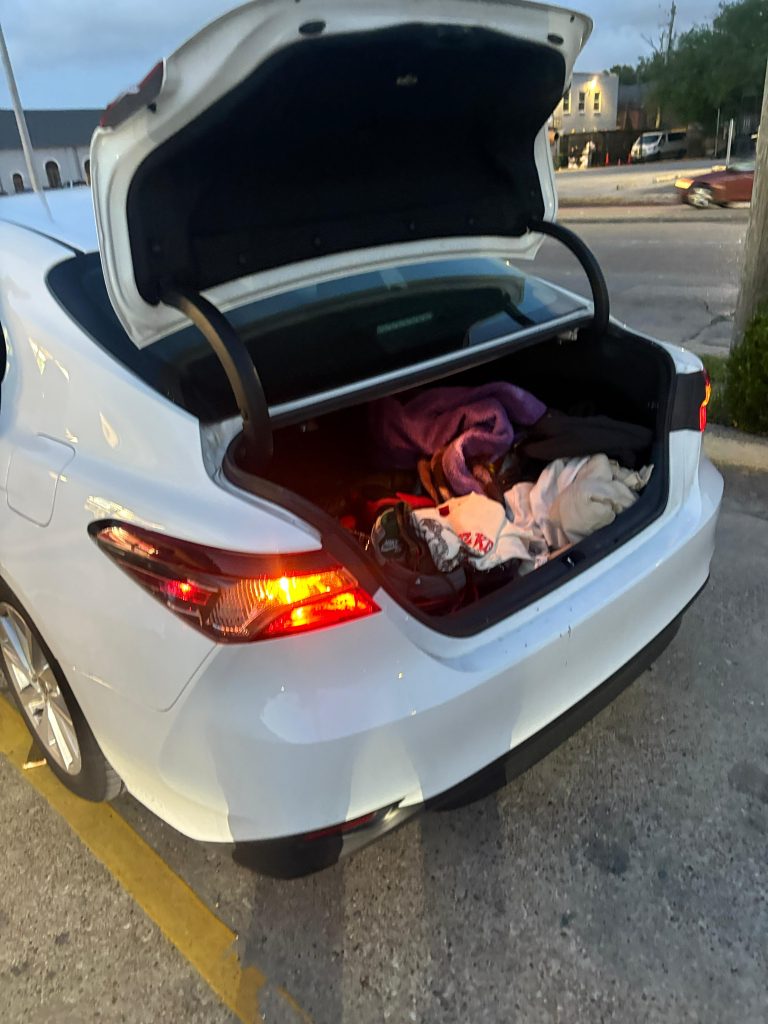
Keys locked in the trunk can leave you stranded fast. Check safe access options first, avoid forcing entry, and choose reliable help.
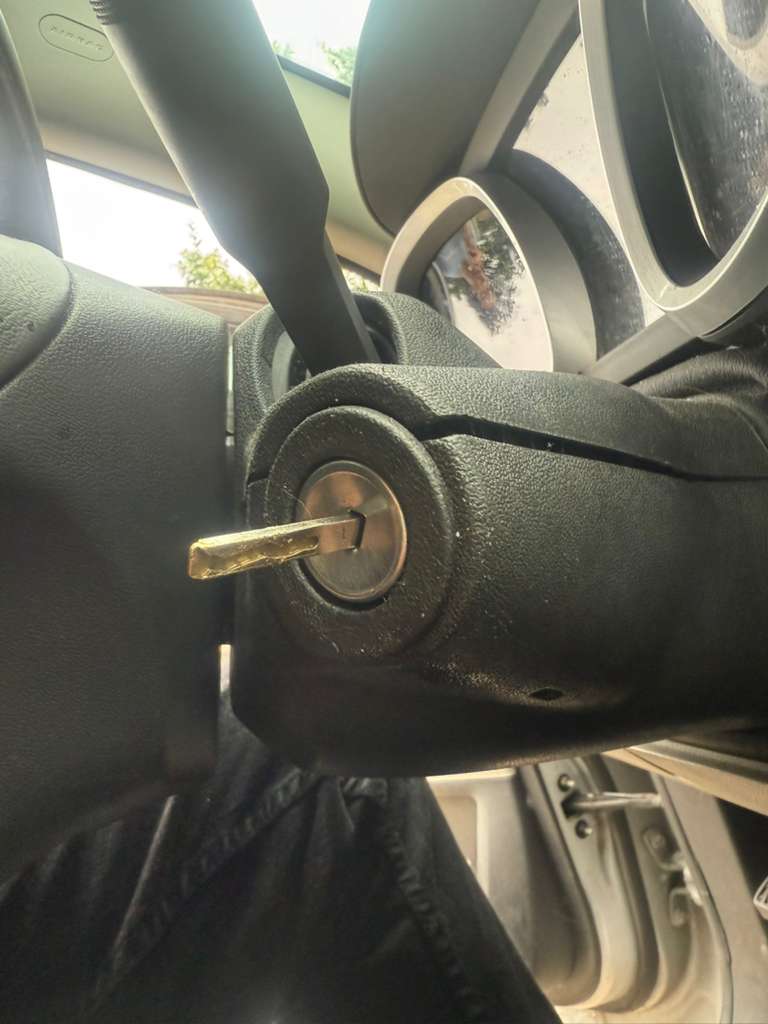
A key won’t turn in ignition can come from a locked steering wheel, a worn key, a shifter issue, or a failing ignition cylinder. Avoid force, make a few safe checks, and get help before the key or ignition breaks.