
Automotive Locksmith
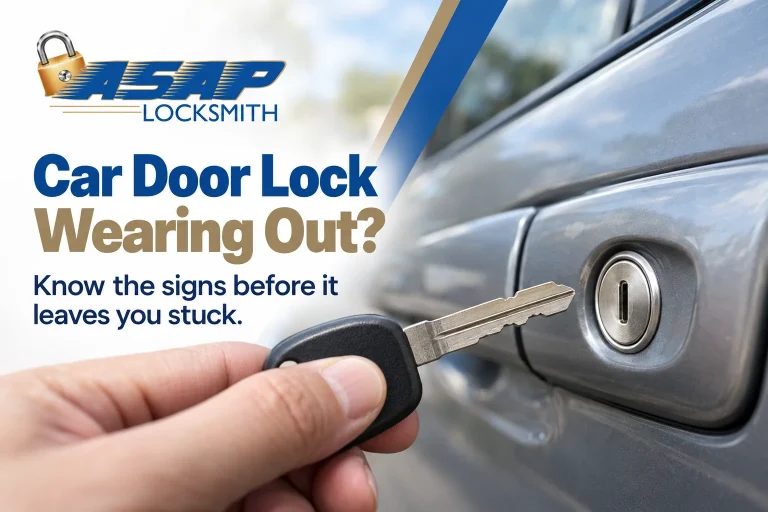
Car Door Lock Wearing Out? Signs to Get Checked
Rough key movement, unusual looseness, and inconsistent unlocking deserve a check. Comparing an undamaged spare can help separate a key problem from a worn lock.
License Number: B03034501

Residential lock repair in Alvin helps homeowners restore a front door, back door, garage entry, patio door, or interior lock that is sticking, loose, damaged, or no longer working as it should. ASAP Locksmith assists Alvin households when a lock starts acting up and the door no longer feels easy to secure.
You can expect a technician to inspect the lock, key, door alignment, strike plate, and visible hardware before discussing the condition of the lock. Sometimes the issue is a worn cylinder. Other times, the door has shifted a little and the lock is catching. A stubborn lock can be a small nuisance until it suddenly becomes the main event.
Home locks get used every day. Keys turn, doors slam, weather changes, and hardware slowly wears down. Residential lock repair can address many common issues without treating every problem like a full replacement job.
ASAP Locksmith can inspect concerns such as
A homeowner near Highway 6 may notice the lock works fine in the morning but catches after a hot afternoon. Someone in a neighborhood near Mustang Bayou may find that a door swells during damp weather and the latch no longer meets the strike plate cleanly. Small changes like these can make a familiar door feel like it has a mind of its own.
A hard to turn lock does not always mean the lock itself has failed. The key, cylinder, door frame, strike plate, and deadbolt all work together. If one part shifts or wears, locking the door can become difficult.
Common causes include
Try not to force the key. That can bend the key, damage internal pins, or leave a broken piece in the cylinder. It is the classic just one more turn moment that can make a manageable repair more involved.
A technician can check whether the problem follows the key, the lock, or the door position. If the deadbolt turns easily with the door open but binds when the door is closed, alignment may be part of the issue. If it binds in both positions, the lock cylinder or internal hardware may need attention.

A damaged residential lock may be repairable depending on what happened to the cylinder, latch, door edge, strike plate, and frame. Damage can range from a scratched keyway to a bent deadbolt, loose hardware, or a split area around the strike plate.
After an attempted entry, it helps to avoid repeatedly operating the lock. A lock can appear to work while internal parts are weakened or out of place. A closer inspection can reveal whether the current hardware is still suitable for use or whether parts need to be changed.
ASAP Locksmith can inspect affected areas including
Residents around Alvin Community College, Heights Road, or South Street may want their doors checked after a suspicious incident, an accidental lockout, or damage from a rushed attempt to get inside. A lock should not be ignored just because the door closes again. If it feels loose, turns oddly, or requires extra pressure, it deserves a closer look.
Residential lock repair in Alvin usually starts with a practical inspection. The goal is to find the source of the issue instead of guessing at it from the first glance.
The repair process may include these steps
A technician may ask when the problem started and whether it appeared after moving furniture, repainting, changing weather, a storm, or a lockout. Those details can point toward the real cause.
Picture a homeowner off County Road 185 who says, “The key works, but only if I pull the door toward me.” That points toward a fit issue between the door and frame. Another homeowner may say, “It suddenly spins and does nothing.” That can point toward internal lock hardware. The details matter.
Repair may make sense when the lock body is in usable condition and the issue is limited to alignment, loose hardware, a worn part, or a serviceable cylinder. Changing the lock may be considered if hardware is badly damaged, incompatible with needed parts, heavily worn, or affected by forced entry.
The right path depends on the condition of the existing hardware and the door itself. A door lock is not a standalone item. It needs to work with the key, latch, frame, strike plate, and door movement.
Homeowners often call for residential lock repair after noticing one of these situations
ASAP Locksmith can explain what is found at the property and what work is suitable for the lock condition. Clear information helps you decide what comes next without playing guessing games with the front door.
Yes. Alvin, TX weather can affect exterior doors and lock operation. Heat, humidity, rain, and seasonal changes may cause doors and frames to expand, contract, or shift slightly. Even a small movement can cause a deadbolt to drag against the strike plate.
This is common with front doors exposed to direct sun, side doors near garages, and back doors facing open yards. Homes near FM 1462, SH 35, and the older streets closer to downtown Alvin may have a mix of newer hardware and older door frames, each with its own wear patterns.
Signs that door movement may be involved include
A lock repair visit can include checking the relationship between the door and frame. Sometimes the lock is not the only thing asking for attention.
Residential lock repair covers more than the front entry. Side doors, garage access doors, patio doors, utility room doors, gates, sheds, and detached workshops often have locks that receive less attention until they stop working.
A side garage door can become a weak point if the deadbolt sticks. A patio door lock may stop latching after repeated use. A backyard shed lock can corrode after exposure to rain and humidity. It is easy to overlook these areas because they are not the main entrance, but they still matter.
In Alvin, many homes have fences, detached storage spaces, workshop areas, or garage access points. Some properties near rural roads and larger lots may have several doors used by family members, delivery workers, guests, or home service crews. Each entry should close and lock properly.
For home based businesses, a rear office door or storage room lock may see extra use. While this page focuses on residential lock service, a technician can inspect door hardware used at a home office or mixed use property when the setting calls for it.
Stop turning the key and avoid using pliers, glue, wire, or improvised tools. Those methods can push the broken piece farther into the cylinder or damage internal components. A lock is small, but it has plenty of tiny parts ready to make a simple day more interesting.
If the key broke inside your residential lock
A broken key can happen because the key is old, bent, worn, or forced against a sticking lock. Removing the key fragment is only part of the job. The underlying reason should be checked so the same problem does not keep showing up at the worst possible moment.
Several factors can affect the scope of residential lock repair and how long the work takes. The condition of the lock is a major factor, along with door alignment, internal wear, damage to the frame, and whether a key is broken inside the cylinder.
Timing can also be affected by
An older home near the Alvin Historical Museum area may have different door hardware than a newer property closer to the Highway 35 corridor. A newer deadbolt can still have an alignment issue. An older lock can still be useful if the problem is limited. Every door tells its own little story.
ASAP Locksmith assists residential customers in Alvin and nearby parts of Texas. Local service areas commonly include ZIP codes 77511, 77512, 77515, 77516, 77517, 77545, 77546, 77578, 77581, and 77584.
If you are near Alvin, TX and have a lock concern at a house, townhome, apartment, rental property, or home office, the location and door type can be discussed when you contact the company.
A lock rarely announces its plans. It may start with a sticky key, a loose thumb turn, or a deadbolt that needs a little push. Then one busy morning, it decides to be difficult when you are carrying groceries or heading out on South Gordon Street.
Early repair can help identify worn parts, loose hardware, door alignment issues, and key problems before they become a larger disruption. It can also help homeowners keep track of which doors need attention, especially at properties with several entry points.
Watch for these early warning signs
If a home lock is sticking, damaged, loose, or difficult to use, ASAP Locksmith can inspect the issue and discuss the next practical step. Contact Us for residential lock repair in Alvin, Texas. Learn more About Us and call (832) 404-0102.
Warning signs include a key that sticks, a lock that turns loosely, or a deadbolt that will not line up with the door frame. You may also notice the latch does not catch properly or the lock works only after several tries.
In many cases, yes. A locksmith can inspect worn pins, springs, cylinders, latches, and strike plates to see whether the lock can be restored. Replacement may be recommended if the lock is badly damaged, outdated, or no longer provides reliable security.
Humidity and temperature changes can cause wood doors and frames to swell or shift slightly. This can move the bolt out of alignment with the strike plate, making the lock feel tight or difficult to turn.
Avoid pushing the broken piece farther into the keyway with another key or tool. A residential lock repair technician can remove the fragment and check whether the lock cylinder or key needs repair afterward.
Yes, a loose knob, handle, deadbolt, or strike plate can make the door easier to force or may prevent it from locking fully. Repairing loose hardware early can help protect the door and avoid more serious damage.
The locksmith usually examines the lock, door alignment, key operation, latch, and strike plate to find the cause of the problem. ASAP Locksmith can then discuss practical repair options, such as adjusting hardware, repairing internal parts, rekeying, or replacing the damaged lock if needed.
If possible, have any working keys available and make sure the area around the door is clear. It also helps to note when the problem started and whether the lock was recently forced, exposed to weather, or damaged.
Sometimes the lock can be repaired, but forced entry can also damage the door, frame, strike plate, or deadbolt. A locksmith should inspect all connected parts to make sure the door locks securely and closes correctly.
Keep keys clean and avoid forcing them when they do not turn easily. Check that screws remain tight, make sure the door is aligned, and use a lock-safe lubricant when needed instead of heavy oils that can collect dirt.
Rekeying is useful when the lock works properly but you want old keys to stop working, such as after moving, losing keys, or a change in household access. If the lock is also damaged or unreliable, a repair or replacement may be the better choice.
Rough key movement, unusual looseness, and inconsistent unlocking deserve a check. Comparing an undamaged spare can help separate a key problem from a worn lock.
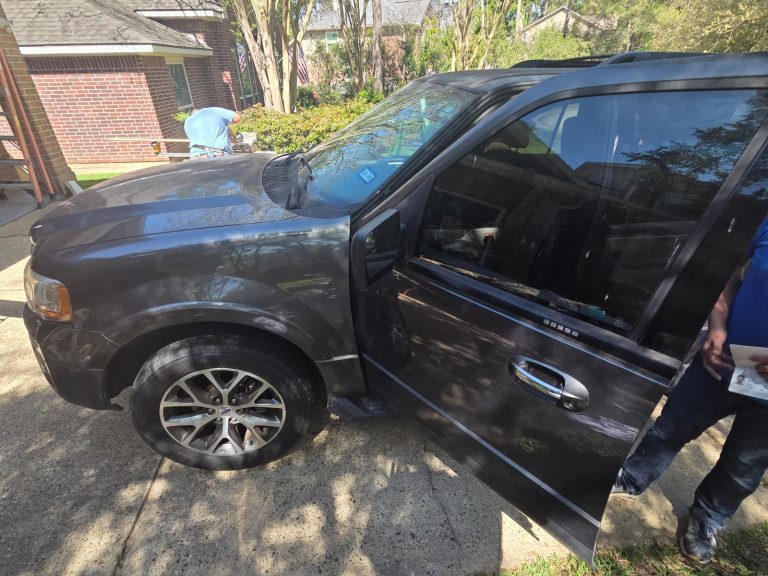
A locked cab, missing key, faulty fob, or stuck toolbox can stop a truck at the jobsite. Keep records, protect spare access, and know when to call a qualified locksmith.
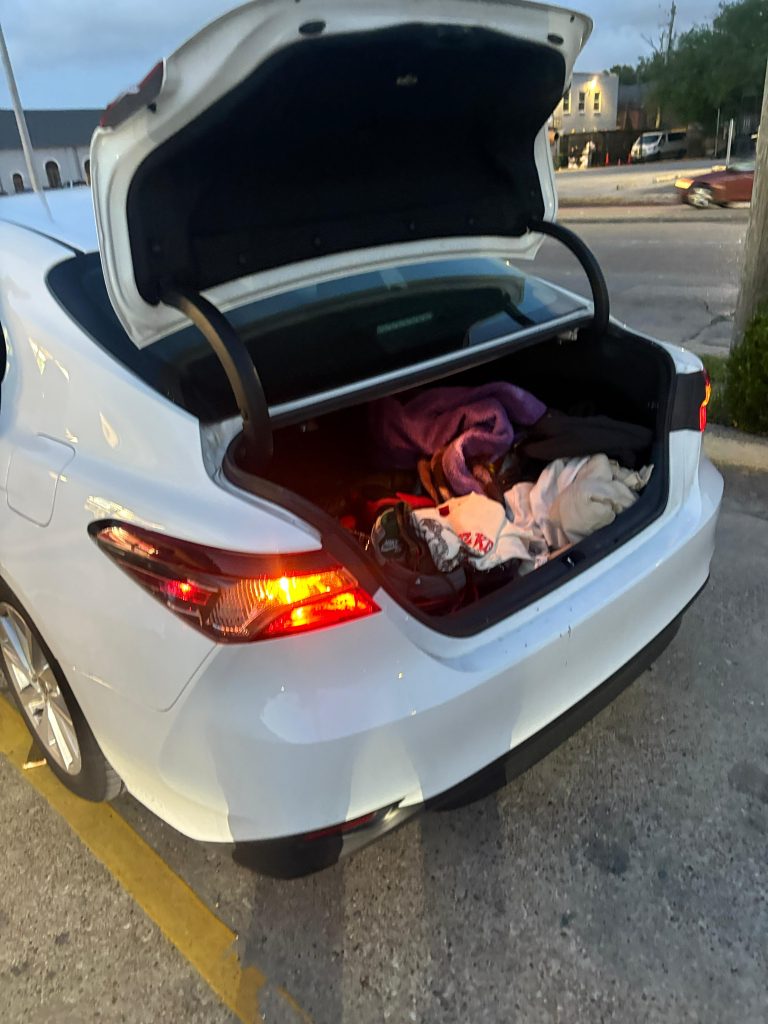
Keys locked in the trunk can leave you stranded fast. Check safe access options first, avoid forcing entry, and choose reliable help.