

Automotive Locksmith
Car Key Cutting and Programming for Modern Vehicle Keys
A copied metal key may open a door but still fail to start a modern car. Learn when a replacement needs cutting, programming, or both.
License Number: B03034501
ASAP Locksmith offers exit device installation in Houston for commercial properties needing reliable panic hardware and secure door operation.

ASAP Locksmith installs panic bars, rim devices, mortise devices, and vertical rod systems for many types of doors in Houston, TX. We help businesses choose the right hardware, fit it correctly, and make sure the door opens as it should.
Exit device installation adds fast, code minded egress to the right doors.
An exit device is the push bar or crossbar hardware that unlatches a door from the inside with one motion. Many people call them panic bars. They are common on schools, offices, restaurants, retail stores, medical spaces, churches, warehouses, and multi tenant buildings. For related door hardware support, many property owners also use a commercial locksmith for openings throughout the building.
The goal is simple. People should be able to leave fast without fumbling with knobs, deadbolts, or separate locks. In a real emergency, seconds matter. A door that sticks, binds, or needs extra steps can create confusion at the worst time.
ASAP Locksmith handles exit device installation for businesses and property managers across Houston and nearby areas. We install new exit devices, replace damaged bars, change old hardware setups, and correct poor alignment that causes hard pushes or latch problems.

Not sure which type you need? That is common. Many door openings look alike but need very different hardware based on door material, frame condition, latch style, traffic volume, and how the building is used.
The right exit device depends on the door, frame, and traffic flow.
A hollow metal back door may need a different setup than a glass aluminum storefront door. A pair of doors at a school hallway may need a different device than a single rear exit at a small office. In some buildings, other systems such as commercial access control systems or commercial keyless entry systems also affect the right hardware choice.
These setups can overlap with projects such as push bars, panic bar installation, and crash bar installation.
A good install is not just about screwing on a bar and calling it a day. The device has to match the door and work smoothly with the strike, frame, closer, hinges, and any access hardware already in place.
You may need a new exit device if the door is hard to open, fails to latch, or has outdated hardware. In many cases the issue is tied to the full opening and may call for commercial lock repair or commercial lock replacement along with the bar itself.
Some building owners know they need a new panic bar because a door has failed outright. Others call after repeated complaints from staff, tenants, or inspectors. If people have to shoulder check the door or give the bar a second push, that is a sign worth taking seriously.
Does your exit door need an extra shove before it opens? Do employees avoid using it because it sticks or slams? Those are not little quirks. They often point to alignment or hardware issues that should be fixed before they become a real safety problem.
A failing exit device often starts with small symptoms before total failure. Screws loosen, rods shift, the strike moves out of alignment, the closer changes the door swing, or the door itself settles. People then adapt in ways that hide the problem. They yank harder, kick the bottom, or leave the door propped open.
Many exit device problems come from poor fit, door movement, wear, or the wrong hardware choice. Commercial doors deal with constant use. Heat, humidity, wind pressure, and heavy traffic can all affect how the opening performs. In Houston, Texas, that matters.
Sometimes the issue is not the panic bar alone. The closer may slam the door and throw off alignment. The threshold may create drag. The frame may be out of square. A locksmith should look at the full opening, not just the bar itself. For larger properties, that may include support from a locksmith for buildings.
Many older buildings in TX have doors that have been updated piece by piece over time. A new closer gets added. Then a new cylinder. Then a random strike. Then a panic bar from a different brand. That kind of patchwork setup is common, and it often leads to repeat service calls. Matching the hardware correctly and installing it with the full door opening in mind usually solves much of that trouble. In some cases, related work such as commercial lock installation or commercial lock rekeying may also be part of the plan.
Our visit focuses on the full door opening so the new device works right from day one. ASAP Locksmith starts by looking at the door, frame, swing, latch point, and the hardware already in place. We check how the opening is being used and whether there are signs of wear or interference.
If an opening has access control, we also check how the exit device should interact with that setup. Egress from the inside must stay simple and dependable. That matters whether the door is at a side entrance, back exit, or main public opening. Buildings that use connected door hardware may also benefit from intercom systems or access control systems.
Good installation includes testing, adjustment, and real use checks. A new panic bar should open with a clear, solid push and reset properly when the door closes. We test for binding, latch drag, weak return, and closing issues.
We also look at practical use. Can staff push through while carrying boxes? Does the door close cleanly after repeated cycles? Does the trim function properly from the outside if the opening uses keyed access? Those checks help catch issues before they become daily headaches.
We install several exit device options for storefronts, offices, schools, and back of house doors. Different buildings need different setups. A restaurant rear exit, a clinic side door, and a warehouse pair of doors do not all need the same hardware. ASAP Locksmith helps property owners and managers choose the right fit based on the opening and how the space is used.
| Device type | Common use | Notes |
|---|---|---|
| Rim device | Single commercial doors | Popular, reliable, and straightforward |
| Mortise device | Doors with mortise prep | Integrates with mortise lock bodies |
| Surface vertical rod | Pair doors and some wider openings | Latches at top and bottom |
| Concealed vertical rod | Cleaner look on compatible doors | Depends on door construction |
| Alarmed device | Restricted emergency exits | Sounds when pushed |
| Electrified device | Controlled entry locations | Works with access systems |
Some openings also need outside trim, dogging features, cylinder changes, door coordinator review, or closer adjustment. We can address those details as part of the job so the opening functions as a system. Some properties pair this work with safe installation and repair or other door and security upgrades.
Timing depends on the door condition, hardware type, and how much correction the opening needs. A simple replacement on a properly aligned single door usually moves faster than a first time installation on a pair of doors with frame issues. Vertical rod devices also take more setup than many rim devices. If the opening has an urgent failure, an emergency locksmith visit may be the best next step.
If you manage a building, it helps to mention these details before the visit. Is it a single door or a pair? Metal, wood, glass, or aluminum? Is there card access? Has the door been sticking already? Those answers help us plan the job better.
Safety matters, and some door problems should not be handled with a quick fix. If an exit door is not opening properly, avoid temporary repairs that create more risk. Taping latches back, blocking rods, removing closing parts, or propping the opening for long periods can create security and safety problems at the same time. Where controlled entry is part of the opening, related review of keyless entry systems can help keep operation dependable.
A commercial exit door should not be mostly fine. If people have to explain how to use it, something is off. The whole point of an exit device is simple operation under stress.
Some doors have added requirements based on the building and the opening. That can affect trim, latching, closing action, and the type of device used. We keep those practical needs in mind during installation and replacement work.
If you are updating several doors, consistency also helps. Staff and visitors should not have to guess which exit opens with a push bar, which one sticks, and which one needs a separate motion.
You can prepare for the visit by clearing access and sharing a few key details. A little prep makes installation smoother. If the opening is inside a busy building, let staff know there may be work at the door and some testing during the visit. Keep the area around the door free of boxes, floor mats, and displays. On properties with many entries, a broader commercial locksmith review can help organize future door work.
If multiple doors need review, a short list helps. Clear notes save time.
If the door starts slamming, dragging, or needing extra pressure, schedule service before the issue spreads. Many hardware failures start as alignment problems that were easy to correct early.
Houston buildings often need exit hardware that stands up to heavy use, humidity, and varied traffic. A back exit at a restaurant may see deliveries all morning. An office side door may stay quiet for hours, then get heavy use at shift change. A school or church may have bursts of foot traffic that put extra strain on closers and latch points.
That is why exit device installation in Houston is not a one size fits all job. The opening has to be looked at in real world terms. Who uses it? How often? Is the door exposed to weather? Is it a main path or emergency only exit?
A good setup should work on an average day and on a chaotic one. Houston weather already keeps people guessing. Your exit door should not join in.
Aluminum storefront doors often call for a different hardware approach than steel rear service doors. Tenant build outs may inherit older frames with odd prep. Warehouses may need durable devices that hold up to carts, equipment, and constant movement. For connected entry points, some spaces also use intercom systems or access control systems.
We see those local conditions often, and that helps us recommend practical hardware choices without overcomplicating the job.
People choose ASAP Locksmith because we focus on function, clear communication, and practical results. Commercial door hardware should not be confusing. We look at the opening, explain what is going on, install the right device, and test the door so it works as it should. Businesses looking for broader door support often pair this with commercial lock installation or commercial lock repair.
Customers call ASAP Locksmith for exit device installation because they want the door done right, not patched together again. Property managers need reliable exits. Business owners need smooth traffic flow. Staff need doors that make sense the first time they push them.
If your panic bar is worn out, your rods are sticking, or your current door setup is not right for the space, we can help sort it out. From single rear exits to multi door commercial spaces, we handle a wide range of exit hardware needs in Houston, TX.
Exit device installation in Houston is easy to schedule with ASAP Locksmith. If your building needs a new panic bar, a mortise exit device, a vertical rod setup, or a full hardware replacement, we are ready to help.
Call (832) 404-0102 to schedule service in Houston, Texas, or use the Contact Us page. If a door is giving people trouble now, do not wait for the next hard push, shoulder bump, or confused stare at the exit.
Exit device installation is the process of fitting panic bars or similar door hardware that allows people to exit quickly and easily from the inside. ASAP Locksmith provides this service.
Exit devices help support safe and efficient egress in offices, retail spaces, schools, and other commercial properties. ASAP Locksmith provides exit device installation for businesses that need this type of hardware.
Exit devices can be installed on many commercial door types, including metal, wood, and certain glass door systems, depending on the setup and hardware requirements. ASAP Locksmith provides this service.
An exit device may need installation or replacement when a door is being upgraded, remodeled, newly outfitted, or when the existing hardware is worn, outdated, or no longer functioning as intended. ASAP Locksmith provides this service.
Exit devices are commonly associated with emergency egress, but they are also used on everyday commercial doors where quick and simple exiting is important. ASAP Locksmith provides exit device installation.
Yes, exit devices are often used alongside other door and access hardware, depending on the building’s needs and door configuration. ASAP Locksmith provides this service.
The need for exit devices depends on the type of property, door use, occupancy, and general safety requirements. ASAP Locksmith provides exit device installation for a variety of commercial settings.
In many cases, existing door hardware can be updated to accommodate a new exit device, depending on the condition and design of the door. ASAP Locksmith provides this service.
Common signs include difficulty opening the door from the inside, loose hardware, sticking components, or general wear from frequent use. ASAP Locksmith provides exit device installation services.
A professional locksmith experienced with commercial door hardware can help with exit device installation. ASAP Locksmith provides this service.
A copied metal key may open a door but still fail to start a modern car. Learn when a replacement needs cutting, programming, or both.
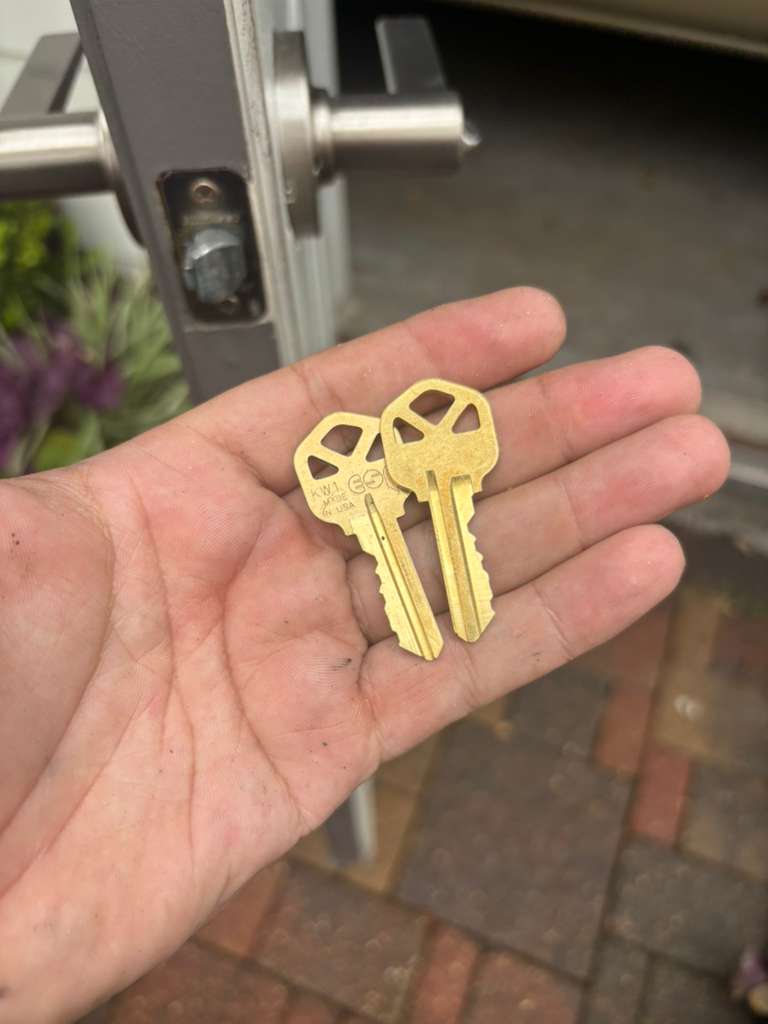
A practical spare-key plan gives regular residents access while limiting loose copies. Learn who may need a key, where backups belong, and when to rekey.
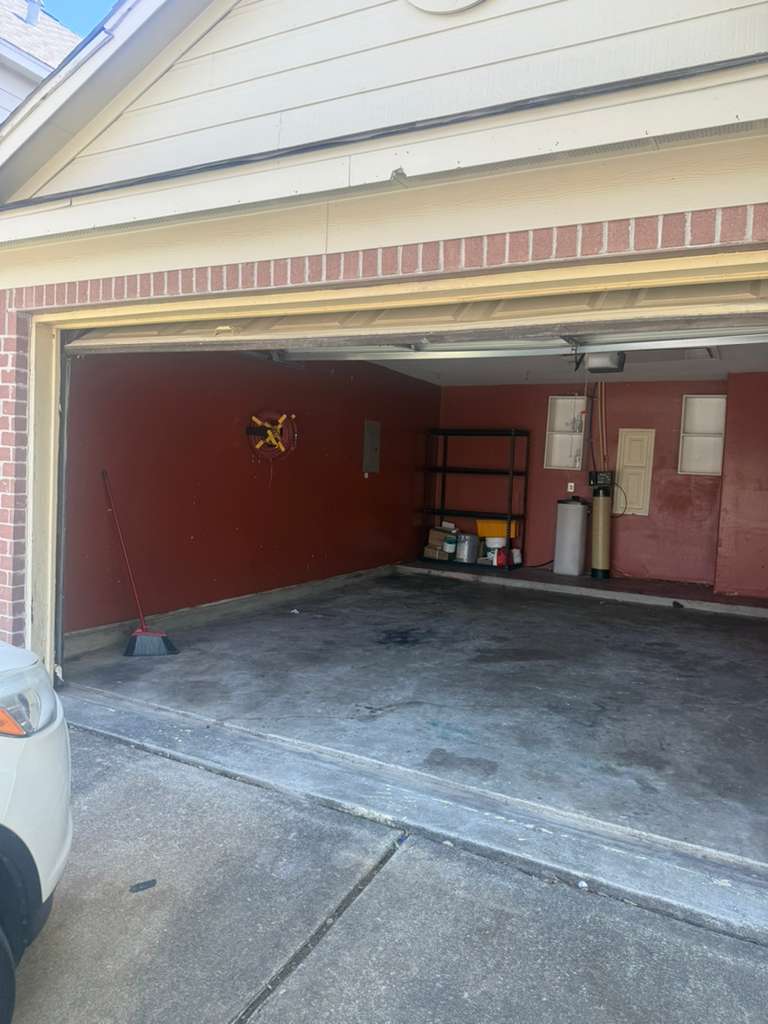
A garage entry lock may bind because the door and strike plate are out of line, the door has shifted, or dirt has built up inside the lock. Test it open and closed before you force the key.