Locksmith for Buildings in Houston

Need a locksmith for buildings in Houston? ASAP Locksmith handles rekeys, lock changes, access upgrades, and door hardware for multi unit properties.
Table of Contents
Locksmith For Buildings In Houston | ASAP Locksmith
Need a locksmith for buildings in Houston? ASAP Locksmith handles rekeys, lock changes, access upgrades, and door hardware for multi unit properties.

Locksmith for Buildings

ASAP Locksmith helps Houston, TX property owners and managers with lockouts, rekeying, master key systems, door hardware, and access control systems for apartments, offices, retail spaces, and other properties. This service supports secure entry, fast access restoration, and practical solutions for everyday building needs in Houston and across Texas.

This service helps secure and manage access for many types of buildings.

Need Help? Call ASAP Locksmith near you

What a building locksmith handles

A building locksmith handles more than opening a locked door. The work often includes commercial lock rekeying after staff changes, commercial lock replacement for worn locks, help with door hardware, master key planning, and support for commercial keyless entry systems on busy properties.

ASAP Locksmith works on building entry points that get used hard every day. That includes front doors, side doors, office suites, common areas, storage rooms, gates, push bars, and mailbox or cabinet locks in some cases. If a key sticks, a lock turns rough, or a door will not latch right, those small issues can turn into larger access and safety problems fast.

Do you manage a property with multiple doors and multiple users. Then you already know one bad lock can throw off the whole day. A building locksmith helps bring order back to the mess.

ASAP Locksmith Logo Fav Icon

Signs your building may need service

You may need service if locks, doors, or keys are slowing down access or creating security gaps.

Many lock problems start small. A tenant reports a sticky deadbolt. An employee key no longer works. A rear door slams but does not lock. Those are all signs the building may need service now, not after someone gets stuck outside in the Houston heat.

Common signs include

  1. Keys that work only after wiggling or repeated tries
  2. Locks that spin, jam, or stop turning fully
  3. Doors that sag, scrape, or fail to latch
  4. Lost or unreturned keys after staffing or tenant changes that call for commercial lock rekeying
  5. Old hardware that no longer matches current security needs
  6. A need to control who can enter certain rooms or floors with commercial access control systems
  7. Lockouts at offices, apartment buildings, storefronts, or shared spaces that may need an emergency locksmith
  8. Panic bars or closers that do not work right
  9. Break in damage around lock cylinders, strike plates, or frames that may need commercial lock repair
  10. Too many keys for staff to manage without confusion

If any of those sound familiar, it may be time to call a locksmith for buildings. Waiting often turns a simple service call into a bigger repair.

Why building lock problems happen

Building lock issues often come from wear, poor alignment, key turnover, or outdated hardware.

Most building lock problems are not random. They usually trace back to heavy daily use, door movement, rushed repairs, or access changes that were never fully addressed.

In Houston and across TX, heat and humidity can affect doors and frames. Wood can swell. Metal hardware can loosen. Doors expand, contract, and shift over time. That movement changes how the latch meets the strike plate, which can make a lock seem broken even when the main issue is alignment.

Other common causes include

  1. Frequent use at main entry doors
  2. Copies of old keys still in circulation
  3. Hardware installed years apart by different people
  4. Door closers adjusted wrong or not adjusted at all
  5. Tenant turnover or employee turnover without rekeying
  6. Forced entry attempts or vandalism
  7. Wrong lock type for the door or traffic level that may require commercial lock installation
  8. Dust, grime, and weather exposure inside lock cylinders

Ever seen a door that needs a shoulder bump, a hip check, and a little prayer. That is usually a clue the lock and door need attention together.

Full door and lock evaluation

ASAP Locksmith checks the full door and lock setup, not just the keyhole.

A proper service visit starts with the full picture. Locks do not work alone. The cylinder, latch, strike, hinges, closer, frame, and door condition all affect daily use and security.

During a visit
  1. Inspect the lock cylinder and key function
  2. Test door alignment and latch contact
  3. Check hinges, screws, strike plates, and door closers
  4. Look for signs of tampering or worn parts
  5. Confirm who needs access and which areas need limits
  6. Recommend repair, rekeying, replacement, or access updates

This helps avoid partial fixes. If the lock is new but the door sags, the problem is still there. If the key works but five former users still have copies, the security issue is still there too.

Rekeying after access changes

Rekeying is a smart option when keys have changed hands and the hardware still has life left.

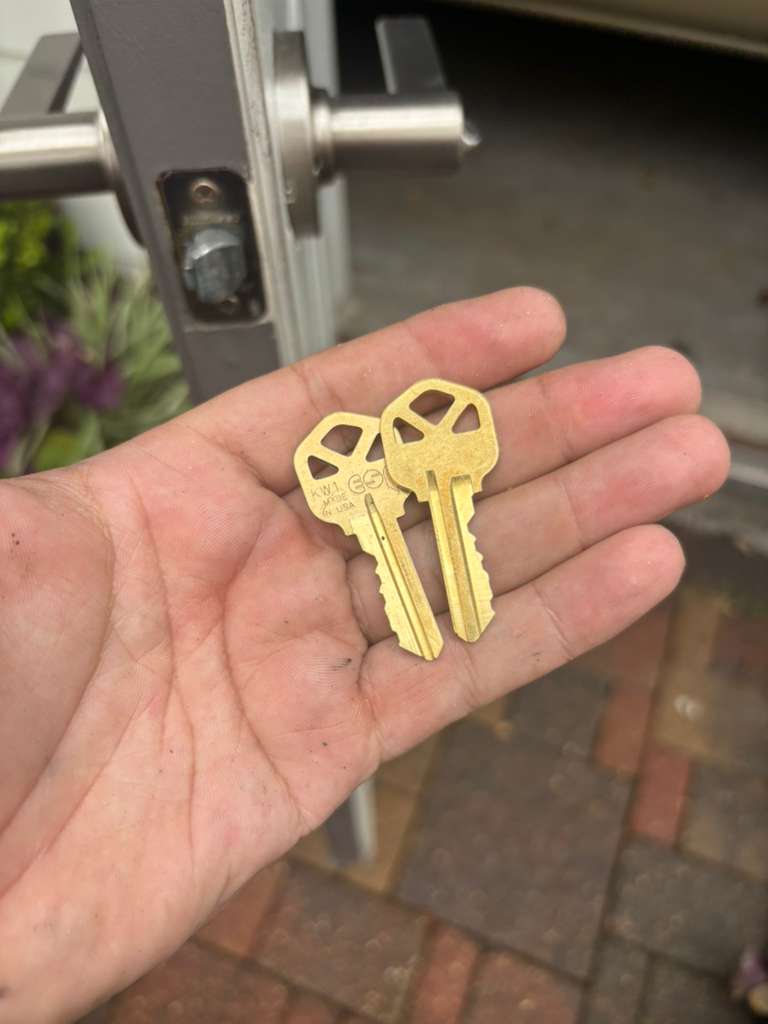
Commercial lock rekeying changes the lock to work with a new key. It is often the right choice after tenant move outs, employee turnover, maintenance staff changes, or lost key incidents.

This option can make sense if
  1. The lock body is still in usable condition
  2. You want old keys to stop working
  3. You want fewer keys floating around the building
  4. You need to match several doors to one new key where practical

Rekeying can help building owners regain control fast without changing every piece of hardware. It is simple, practical, and often the first step after occupancy changes. If you are not sure whether to rekey or replace, the condition of the lock usually answers that question.

Need Help? Call us for Locksmith Services!

Master key systems for larger properties

Master key systems help organize access across larger properties.

A master key system lets different people access only the doors they need, while authorized managers keep broader access. This is useful for office buildings, mixed use properties, apartment complexes, storage areas, maintenance rooms, and multi suite commercial spaces that also rely on commercial locksmith support.

A basic setup might work like this

User Type Typical Access
Tenant or employee Their own unit or workspace
Maintenance staff Assigned service areas and common rooms
Property manager Multiple suites or common access points
Building owner Broad access across the property

The goal is control without carrying a key ring that sounds like sleigh bells in July. A good system keeps access clear, cuts confusion, and helps reduce unnecessary duplicate keys.

Access control for busy entries

Access control adds better entry management where traditional keys are not enough.

Some buildings need more than metal keys. Offices with regular staff changes, shared buildings, and properties with sensitive rooms often benefit from keypad, card, fob, or other controlled entry systems. Commercial keyless entry systems and access control systems can fit these needs.

Practical access control needs
  1. Entry control at main doors
  2. Limited access for offices, storage, or back rooms
  3. Hardware updates for higher traffic areas
  4. Better control over who enters and when
  5. Replacement of damaged or outdated locking devices

Not every building needs a high tech setup. Some only need one or two controlled doors. The right solution depends on traffic, layout, user count, and how often access changes.

Building lockout response

Lockouts for buildings need a quick, careful response to restore entry without extra damage.

A building lockout can affect staff, tenants, customers, deliveries, and daily operations. If the front office is closed off, a retail door will not open, or a manager is locked out of a shared building, time matters. In these cases an emergency locksmith can help restore entry.

ASAP Locksmith handles building lockout situations with care for the door, frame, and hardware. The goal is to restore entry while avoiding unnecessary damage. That is especially useful on commercial doors, aluminum storefront doors, restricted interior doors, and multi unit entries where forced entry can create larger repair issues.

Before the locksmith arrives

  1. Confirm which doors are actually locked versus misaligned
  2. Check whether another authorized person has access
  3. Keep people away from forcing the door open
  4. Avoid using random tools that can damage the cylinder or frame
  5. Gather any building information that may help identify the door setup

Trying to beat the lock with a screwdriver usually ends badly for the lock and your afternoon.

Door hardware matters too

Door hardware service matters because the lock is only part of a secure entry.

Many entry problems are really hardware problems. A deadbolt may be fine, but the closer may slam the door. A panic bar may stick. A strike plate may be loose. Hinges may pull from the frame. All of that affects daily use and safety. Related help may include push bars, exit device installation, and crash bar installation.

Common hardware issues include
  1. Door closers that shut too fast or too slow
  2. Panic bars that stick or fail to retract smoothly
  3. Latch bolts that miss the strike plate
  4. Loose levers, knobs, or trim pieces
  5. Hinges that sag or squeak from wear
  6. Misalignment from frame movement or repeated impact

Fixing the whole opening, not just the cylinder, helps the door work the way it should. That matters in apartment entries, office suites, back of house commercial areas, and common building exits.

What affects service time

Timing depends on the lock type, door condition, and how many openings need work.

Some calls are straightforward. A simple lockout or basic rekey may move quickly. Other jobs take longer because multiple doors need matching, hardware is worn, or the frame and alignment need correction too. Larger jobs may involve commercial lock repair or commercial lock installation.

What can affect service time

  1. Number of doors involved
  2. Type of lock or access hardware
  3. Whether parts are damaged or missing
  4. Door and frame alignment problems
  5. Restricted areas or after hours access needs
  6. Weather exposure on exterior doors
  7. Older hardware with unusual keyways

If your building has several problem doors, it helps to mention that upfront. A full list can make the visit more efficient and reduce back and forth later.

Safety and forced entry concerns

Safety comes first, and forced entry is rarely the smart first move.

If a building door will not open, stop before anyone starts prying, kicking, or drilling at random. Forced entry can damage the frame, glass, closer, panic hardware, and nearby trim. That often creates a bigger security issue than the original lock problem. Fast help from an emergency locksmith is usually the better choice.

Call for help right away if
  1. A main entry door will not secure after closing
  2. A break in attempt damaged the lock or frame
  3. A panic bar or exit device is not working right
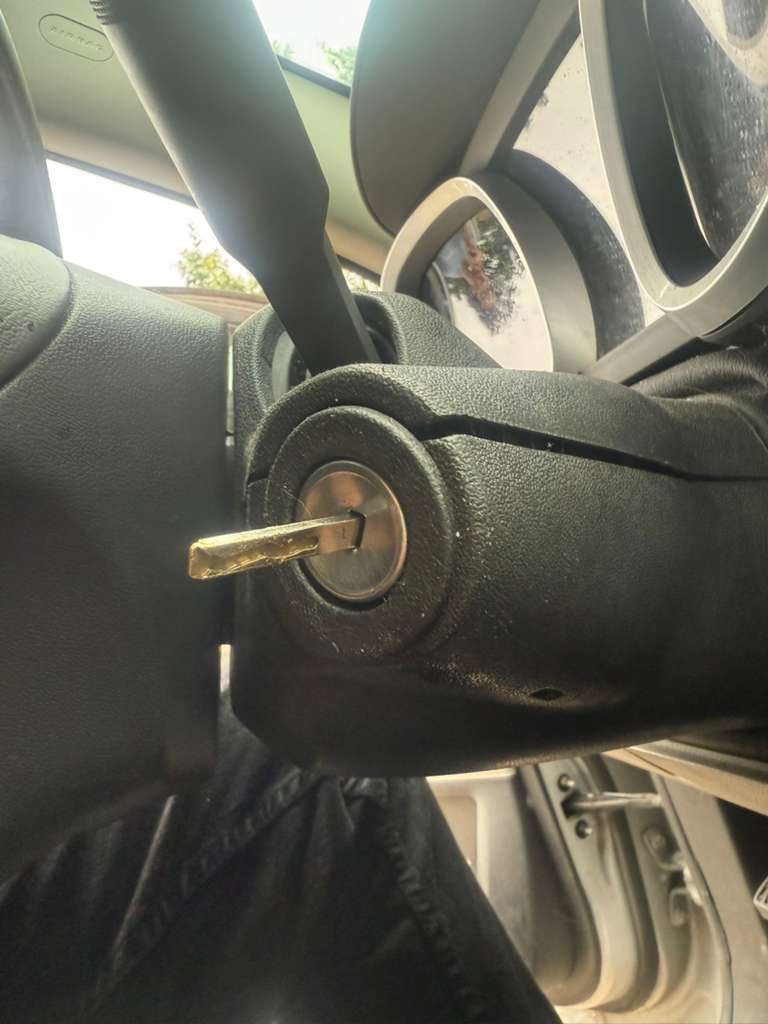
  4. A key broke off inside the cylinder
  5. An access control door is not responding correctly
  6. A tenant, staff member, or manager cannot access a needed area

If the issue involves an occupied space, keep communication clear with authorized users and limit traffic around the affected door. A calm response protects people and property.

How to prepare for the visit

You can prepare for the visit by gathering a few details and clearing the area.

A little prep helps the locksmith solve the issue faster. It also helps avoid confusion on buildings with multiple suites, entrances, and shared spaces.

Before ASAP Locksmith arrives
  1. The exact building address and entry point
  2. A contact person on site
  3. A list of doors or locks needing service
  4. Any known lock history like lost keys or recent move outs
  5. Permission ready from the owner or manager if needed
  6. Clear access to the problem door
  7. Photos of the hardware if you can send them in advance

Are there several doors with similar problems. Mention that too. Small patterns often point to one larger issue, like alignment or worn hardware across the property. For apartment style properties, related support may also overlap with a locksmith for apartments.

After service habits that help

After service, simple habits help keep building locks working longer.

Once the immediate issue is fixed, a few practical steps can reduce repeat problems. Building locks last longer when doors close correctly, keys are tracked, and small issues are handled early.

Helpful after service habits include

  1. Rekey after tenant or staff turnover
  2. Replace missing screws and tighten loose hardware early
  3. Watch for doors that start sticking or dragging
  4. Avoid forcing keys that do not turn smoothly
  5. Limit unnecessary duplicate keys
  6. Review who should have access to each area
  7. Test common entry doors and exit hardware on a routine basis

If a door starts acting up again, do not wait for a total failure. Locks usually give warning signs before they quit.

Building conditions in Houston Texas

Houston buildings face real world access issues from heat, traffic, and constant use.

Buildings in Houston, Texas deal with heavy use and changing conditions. Exterior doors face sun, rain, humidity, and daily traffic. Interior common doors often deal with carts, deliveries, tenant moves, and repeated slamming.

That is why locksmith for buildings in Houston often involves more than keys alone. A storefront door may need alignment after months of traffic. An apartment common door may need rekeying after occupancy changes. An office building may need better access control for shared entries and private rooms.

In TX, properties range from older buildings with aging hardware to newer spaces with mixed lock systems. Some have traditional key cylinders on one door and electronic entry on another. That mix can create confusion if access is not organized well.

Why property owners call ASAP Locksmith

Property owners and managers choose ASAP Locksmith for practical help that fits building use.

Building owners need clear answers and solid work, not a long speech about locks. ASAP Locksmith focuses on the problem in front of you, whether that is a lockout, a worn entry system, a rekey after turnover, or a master key plan for a growing property.

Clients often call because they need help with

  1. Office lockouts and employee access issues
  2. Apartment building rekeying
  3. Storefront lock repair
  4. Common area door hardware problems
  5. Master key setup for managers and staff
  6. Access control updates on select doors
  7. Broken keys, jammed cylinders, or damaged locks

If you manage a building, you need service that respects the flow of the property. That means looking at security, access, and daily use at the same time.

Service across Houston and nearby areas

ASAP Locksmith can help with building locksmith needs across Houston and nearby areas. Whether you manage offices, apartments, retail space, or another property type, the goal is secure access that works the way it should. Related support can include commercial locksmith work, commercial lock installation, and commercial lock replacement.

Related Services

If you need locksmith for buildings in Houston, ASAP Locksmith is ready to help with lockouts, rekeying, master key systems, lock repair, door hardware, and access control support. Need help now or planning updates for your building. Call (832) 404-0102 or visit the contact page to request service in Houston, Texas.

Frequently Asked Questions (FAQs)

What does a locksmith for buildings do?

A locksmith for buildings helps with general lock and key needs for residential, commercial, and multi-unit properties, such as access control support, lock changes, rekeying, and entry-related assistance. ASAP Locksmith provides this service.

Yes, building locksmith services may be used for offices, apartment buildings, condos, and other shared properties that need general lock and access support. ASAP Locksmith provides this service.

People often contact a building locksmith when dealing with lockouts, lost keys, tenant turnover, damaged locks, or when they want to update building access arrangements. ASAP Locksmith provides this service.

Rekeying generally involves adjusting the lock to work with a different key, while changing locks usually means replacing the hardware. The right option depends on the property’s needs. ASAP Locksmith provides this service.

A building locksmith can assist with general access-related solutions, including lock setup, key control planning, and support for entry points throughout a property. ASAP Locksmith provides this service.

Yes, locksmiths for buildings may help with exterior entry doors, interior office doors, unit doors, and other common access points within a property. ASAP Locksmith provides this service.

Yes, many property owners and managers contact a locksmith after occupancy or staffing changes to review and update access as needed. ASAP Locksmith provides this service.

No, building locksmith services can be used for both urgent situations and routine property access needs, such as maintenance, updates, and lock-related support. ASAP Locksmith provides this service.

Yes, a locksmith may be able to assist with many types of older or existing lock systems, depending on the property and its current hardware. ASAP Locksmith provides this service.

Building locksmith services are commonly used by property managers, landlords, business owners, facility teams, and homeowners associations for general lock and access needs. ASAP Locksmith provides this service.

Blogs