Lock Installation and Replacement Support Better Door Security
Residential lock installation adds hardware to a new door or updates an entry that lacks a suitable lock.
Lock replacement removes the current hardware and installs another lock. This may be needed after physical damage, heavy wear, corrosion, or a change in access needs. Door thickness, backset, hole placement, and frame condition affect hardware selection.
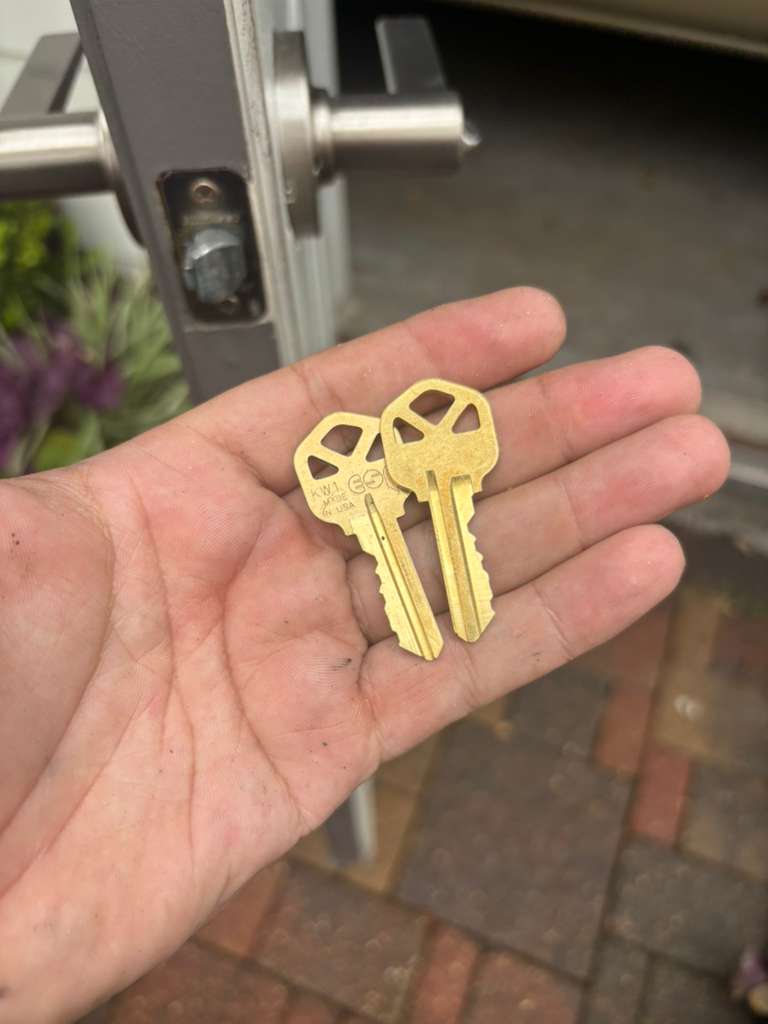
We can work on common entry doors, interior doors, apartment doors, garage access doors, and other residential openings. We also provide residential key duplication when compatible blanks are available.
Apartment, Garage, and Mailbox Locks Need the Right Approval
Apartment, garage, and mailbox lock service must follow property access rules and ownership requirements.
Apartment residents may need authorization before changing a lock. Shared garage systems may involve building controls that cannot be changed for a single resident. Mailbox lock replacement may require confirmation that you control the assigned box.
Have your identification, lease details, management contact, or ownership records ready. These checks protect residents and property owners from unauthorized access.
Commercial Locksmith Service Supports Controlled Business Access
Commercial locksmith work covers lock installation, repair, rekeying, replacement, keyless entry, access control, intercoms, safes, and building hardware.
Bryan businesses may need access for staff, vendors, cleaners, managers, and delivery teams. A clear plan helps reduce copied keys and confusion after personnel changes. It also makes opening and closing procedures easier to follow.
A commercial locksmith in Bryan, Texas can assist offices, shops, service facilities, restaurants, warehouses, rental properties, and other workplaces. We confirm who can approve the work before changing business access.
Commercial Locks Can Be Repaired, Rekeyed, or Replaced
Commercial lock service addresses worn cylinders, loose handles, failed latches, lost keys, and access changes.
Repair may keep usable hardware operating. Rekeying changes the working key while retaining a suitable lock. Replacement is often used when hardware is damaged, no longer fits the door, or does not meet the property’s current needs.
A practical visit may include
- Identifying affected entrances
- Checking door and frame alignment
- Reviewing who should retain access
- Inspecting lock and latch operation
- Completing approved repairs or changes
- Testing each serviced opening
Keep a current record of issued keys after the visit. Mark keys with an internal code rather than the building address.
Keyless Entry and Access Control Manage Staff Entry
Commercial keyless entry systems let authorized users enter through a code, credential, card, fob, or other approved method.
Access control systems can help business owners manage doors without relying only on metal keys. The correct setup depends on the building, number of users, door hardware, power access, and daily operating needs.
Intercom systems can support visitor communication before entry is granted. If an existing system fails, note which doors, stations, or call buttons are affected. That information helps narrow the issue.
Safes Need Careful Installation and Repair
Safe installation places the unit in an approved location and secures it based on the safe type and site conditions.
Safe repair may address lock operation, handles, keypads, bolts, or other accessible parts. Do not drill, strike, or pry the safe. Those actions can damage the contents and the locking mechanism.
Be ready to show that you own or control the safe. If you know the brand, model, lock type, or symptoms, share them during scheduling.
Exit Devices Keep Commercial Doors Usable
Push bars, panic bars, crash bars, and exit devices allow an occupied building door to open from the inside through a pressing motion.
These terms are often used for similar hardware, though the exact parts can differ. ASAP Locksmith provides push bar locksmith service, panic bar installation, crash bar installation, and exit device installation for suitable commercial doors.
Call if the bar sticks, feels loose, fails to retract the latch, or does not let the door close correctly. Do not block or tie down an exit device. A technician can inspect the bar, latch, strike, fasteners, and door alignment.
Building managers should also confirm applicable requirements with the authority responsible for the property. Locksmith work must fit the door and the approved use of that opening.
Truck and Building Locksmith Work Requires Clear Access Details
Locksmith service for trucks and buildings begins with accurate information about the lock, location, and person authorizing entry.
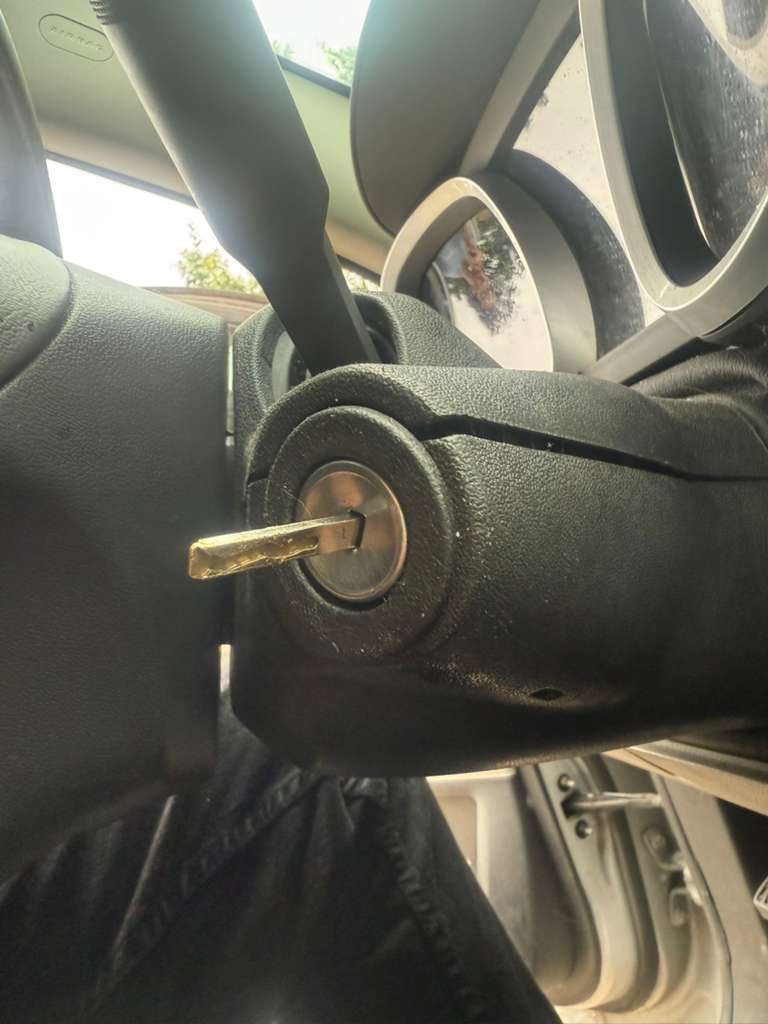
Truck service may involve a cab lockout, lost key, broken key, ignition issue, or duplicate key request. Provide the truck make, model, year, and key style. Mention utility bodies, tool compartments, or separate storage locks if those are involved.
Building locksmith work may cover
- Main entry locks
- Office and storage doors
- Shared corridors
- Utility rooms
- Tenant spaces
- Exterior gates with mechanical locks
- Mail areas
- Service entrances
Do you manage several doors at the same site? Make a short list before the visit. Label each door by location and note who should have access.
A Locksmith Visit Follows a Clear Service Process
The visit begins with confirmation of the problem, location, access authority, and requested locksmith work.
What customers can generally expect
- Call and describe the issue. Explain whether the job involves a car, home, apartment, business, safe, mailbox, truck, or garage.
- Share identifying details. Vehicle information, lock type, door location, and visible damage can help with preparation.
- Confirm your location. Give the full Bryan address, unit number, gate instructions, and a safe meeting point.
- Show access authority. Identification or property records may be requested before entry or key work.
- Review the lock problem. The technician checks the hardware and explains available service options.
- Approve the work. Service begins after the requested work is clear.
- Test the result. Keys, locks, latches, remotes, or exit hardware are checked before the visit ends.
Timing can vary based on travel, traffic, weather, lock condition, vehicle system, parts, and property access. Complex building hardware may require more inspection than a standard door lock.
Safe Preparation Can Prevent Delays
You can help the locksmith visit move smoothly by gathering details and clearing access to the lock.
Use this checklist before the technician arrives
- Put pets in a secure room.
- Move boxes, furniture, or vehicles away from the work area.
- Find identification and access records.
- Write down vehicle details if the call involves a car or truck.
- Contact a landlord or manager if approval may be required.
- Keep broken key pieces if you have them.
- Avoid adding oil, glue, or household chemicals to the lock.
- Provide gate codes and unit directions.
- Tell us about prior repair attempts.
- Keep your phone available for arrival updates.
Texas weather can change quickly. If the service area is outdoors, provide a safe place to inspect keys or small hardware when possible.
Simple Care Helps Locks Keep Working After Service
Regular checks can catch wear before a key breaks or a door stops securing. If a problem develops, lock repair may help prevent further damage.
Test each new or duplicated key while the technician is present. Turn it gently and confirm the latch moves without pushing hard on the door. For vehicle keys, test the door, ignition, remote buttons, and keyless functions that apply.
After service
- Keep spare keys in a secure, known place.
- Avoid hanging heavy items from an ignition key.
- Do not force a lock that suddenly becomes stiff.
- Check loose handles and screws early.
- Keep door frames clear of paint buildup and debris.
- Report repeated latch misalignment.
- Update business key records after staff changes.
- Replace weak batteries in remotes or keypads when operation becomes inconsistent.
If a lock changes behavior soon after a visit, note the exact symptom. Details like the key turns only when I pull the door are more useful than the lock is weird, though both are understandable.
We Serve Bryan and Nearby Parts of the Brazos Valley
ASAP Locksmith provides mobile service in Bryan and may assist customers in nearby communities based on the job and current service coverage.
Bryan sits next to College Station and includes homes, apartment communities, commercial corridors, campuses, industrial properties, and rural-edge sites. Major routes like Texas Avenue, Highway 6, and University Drive help connect the area, but traffic and site access can affect arrival planning.
Please provide the complete address rather than a nearby landmark alone. For large apartment communities, business parks, or gated properties, include the building number and entry instructions.
Call for Lock and Key Service in Bryan
ASAP Locksmith is ready to help with automotive, residential, commercial, emergency, safe, exit device, apartment, garage, mailbox, truck, and building locksmith needs.
Related Services
For a locksmith in Bryan, TX, call 832-404-0102 and explain what happened. Have the address, lock or vehicle details, and access information ready. You can also visit our Contact Us page to learn more and request service.