
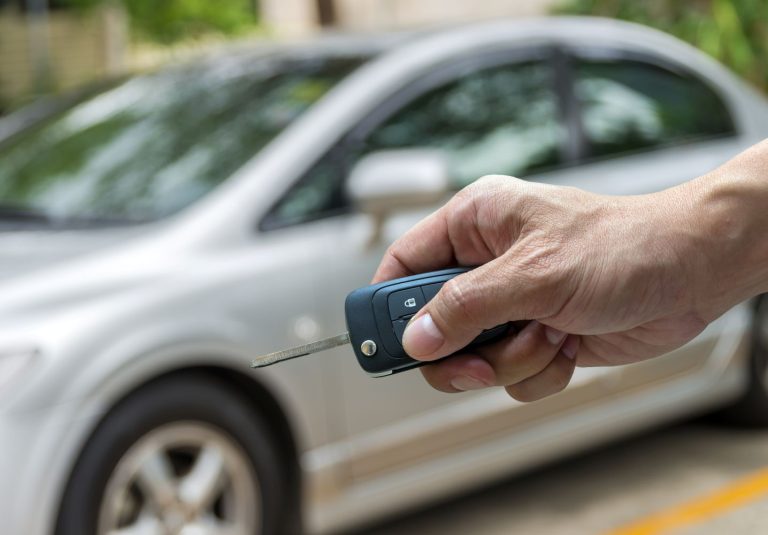
Automotive Locksmith
Can a locksmith make a car key without the original?
Yes, a locksmith can often make a car key without the original. It depends on
License Number: B03034501

Crash Bar Installation in Atascocita helps businesses, schools, medical offices, warehouses, churches, and multi-tenant properties provide a practical way to open exit doors during an emergency. A crash bar lets occupants push the door open from the inside without reaching for a knob, thumbturn, or key.
ASAP Locksmith installs and services panic hardware for commercial doors across Atascocita, TX. Expect a site visit focused on the door, frame, exit path, existing hardware, and how people use the entrance each day. The goal is simple. Your exit door should open the way people expect when seconds matter.
A crash bar is also called panic hardware, an exit device, or a push bar. It mounts across the inside face of a commercial exit door. When someone pushes the bar, the latch releases and the door opens.
This hardware is common on doors that serve a larger number of people or lead to an exit route. You may see it on.
A panic bar is not just a long handle bolted to a door. The latch, strike, door closer, hinges, frame alignment, and door condition all affect whether the hardware works properly. A door can look fine from ten feet away and still drag, bind, or fail to latch correctly. Doors have a funny way of hiding their bad habits until the worst possible moment.
Many property owners and managers in Atascocita need exit hardware when a door is part of an emergency egress route or serves the public. The exact hardware needs can depend on the building use, door type, occupancy, fire rating, and local requirements.
Common calls come from businesses near FM 1960, Atascocita Road, Will Clayton Parkway, and Timber Forest Drive. We also see exit door needs at office suites, professional buildings, neighborhood retail centers, worship facilities, and warehouses around the broader Humble area.
You may need a new crash bar if.
A typical scenario is a small office off West Lake Houston Parkway with a rear metal door that gets used by employees, delivery drivers, and maintenance crews. The door may have a worn lever lock that works most days, but the latch catches when the weather shifts. That is the sort of setup worth reviewing before it turns into a bigger problem.
ASAP Locksmith starts by looking at the whole opening, not only the bar itself. The door must be compatible with the type of exit device being installed.
During a crash bar service visit, the technician may check.
Once the door and exit path are reviewed, the proper device style can be selected for the opening. The installation includes fitting the hardware, connecting the latch components, setting the strike, and checking the door operation from both sides where applicable.
Crash bar hardware comes in several configurations. The right choice depends on the door, opening width, security needs, and whether the door is part of a rated assembly.
Common styles include.
A good fit matters. Installing the wrong style on a door can create operational problems, leave unused holes, or interfere with existing access equipment. Nobody wants a door that needs a pep talk before it closes.
Yes, many commercial doors need controlled entry from the outside while keeping a clear exit from the inside. The outside setup may use a key cylinder, lever trim, keypad, card reader, fob system, or another access method.
The interior side needs to allow occupants to leave without needing a key, code, or special knowledge. That point is central to how panic hardware is used.
A few common setups include.
If your Atascocita property has existing access control systems, it helps to mention it before the service visit. A reader, electric strike, magnetic lock, door position switch, or request-to-exit device may affect which panic hardware works with the opening.
A push bar may seem like the issue when the actual cause is the door, frame, or latch alignment. Exit hardware has moving parts, and heavy daily use can take its toll.
Watch for these signs.
A property manager may say, “It works if you know the trick.” That is usually a sign the door needs attention. Exit doors should not require secret handshakes.
No. Large buildings often use panic hardware, but smaller commercial spaces can need it too. A neighborhood salon, dental office, accounting suite, tutoring center, dance studio, or small warehouse may have an exit door that needs the right hardware.
Atascocita includes a mix of commercial strips, offices, medical spaces, community facilities, and residential developments. A smaller location may have fewer doors, yet each exit opening still matters.
For residential properties, crash bars are usually not used on standard single-family home doors. They may be relevant in shared facilities, clubhouse buildings, maintenance areas, leasing offices, pool gates where permitted, or apartment common spaces. Hardware needs vary by location and use.
The door itself plays a major role in the installation process. Panic hardware can only perform properly when the opening is in workable condition.
Common door issues include.
Houston-area humidity and storms can be hard on exterior doors. In Atascocita, a rear service door exposed to rain and afternoon heat may shift slightly over time. Near Lake Houston, moisture and weather changes can also show up as sticking, swelling, corrosion, or worn seals.
Sometimes the hardware can be installed after routine adjustments. Other times, the condition of the opening may need to be addressed first. The technician can explain what is affecting the door before work proceeds.
Each commercial door has its own condition and history. A straightforward single metal exit door may require less preparation than a pair of doors with vertical rods, access control, old hardware holes, and frame damage.
Factors that can affect the work include.
A simple site check helps identify these items early. It also helps avoid the old “we thought that door was standard” surprise. Commercial doors have a way of proving they are not standard when you least expect it.
A little preparation can make the visit smoother. You do not need to become a door hardware expert overnight. Just gather basic details about the opening.
Before contacting ASAP Locksmith, try to note.
Photos can also help during an initial conversation, particularly if the hardware is damaged or the door has an unusual configuration. A clear look at the interior bar, exterior trim, frame, and latch side provides useful context.
ASAP Locksmith provides commercial crash bar installation service for Atascocita and nearby parts of the Houston area. Calls often come from commercial properties near Atascocita High School, Lake Houston, Eagle Springs, The Groves, Kings River, and nearby Humble business corridors.
Relevant ZIP codes include 77346, 77396, 77338, 77339, 77345, 77044, and 77049. Service needs can range from a retail rear exit near FM 1960 to a staff entrance closer to Lake Houston Parkway.
ASAP Locksmith focuses on practical commercial door hardware service for businesses and property managers in the Atascocita area. We look at the door opening, how the hardware is used, and what may be affecting the exit path. Learn more About Us.
Whether you need a new panic bar installation, replacement exit device hardware, adjustment of an existing crash bar, or help reviewing a troublesome commercial exit door, the conversation starts with the condition of your door and the needs of the property.
If a commercial exit door in Atascocita is sticking, missing panic hardware, or needs an updated push bar setup, Contact Us at ASAP Locksmith. We can discuss the door, the current hardware, and the next steps for an on-site review.
Call ASAP Locksmith at (832) 404-0102.
A crash bar is a push-to-exit device installed on an emergency exit door. It lets people open the door quickly without turning a knob or using a key. Many commercial buildings need them to support safe evacuation and meet applicable fire and building rules.
Warning signs include sticking, loose hardware, a bar that does not latch, or a door that is hard to open from inside. A crash bar should work smoothly with one push. If it fails or feels unreliable, it should be inspected promptly.
Many metal, aluminum, wood, and glass storefront doors can use panic hardware, but the correct device depends on the door and frame. The door swing, width, locking setup, and fire rating may affect the installation. A professional can recommend hardware that fits the door properly.
The installer checks the door, frame, hinges, latch area, and exit path before selecting the proper hardware placement. The crash bar is mounted, adjusted, and tested to make sure the door opens, latches, and secures correctly. Any related trim, strike, or exterior lever may also need adjustment.
Clear boxes, displays, and other items away from the exit door so the work area is easy to access. Let employees know that the exit may be briefly unavailable while the hardware is being installed or tested. It is also helpful to share any building access rules or concerns about the door.
Yes, the inside can allow fast emergency exit while the outside remains secured. The outside operation may use a key, lever trim, access control hardware, or another approved entry method. The right setup depends on how your business controls entry and exit.
Dirt, wear, loose mounting screws, door misalignment, damaged latches, or shifting hinges can cause problems. Changes in humidity and heavy daily use can also affect how the door closes. ASAP Locksmith can assess whether the issue can be repaired or if replacement hardware is a better option.
Sometimes it can be repaired if the problem involves adjustments, worn parts, a damaged strike plate, or loose hardware. Replacement may be safer when the device is severely worn, bent, incompatible with the door, or no longer operates reliably. A technician can test the full exit system before recommending a solution.
Test the bar regularly by pushing it and confirming that the door opens and closes without binding. Keep the exit path clear and check for loose screws, rubbing doors, or a latch that does not catch. Avoid forcing the bar or adding locks that could block emergency exit.
Local building, fire, and occupancy requirements may affect the type and placement of panic hardware on a commercial exit door. Requirements can differ based on the building use, occupant load, and whether the door is fire rated. ASAP Locksmith can help install hardware that supports safe exit operation while you confirm any site-specific requirements with local authorities.
Yes, a locksmith can often make a car key without the original. It depends on

Rekeying cost usually depends on how many lock cylinders need work, what kind of locks

Truck keys come in three common types, a key fob, a flip key, and a