
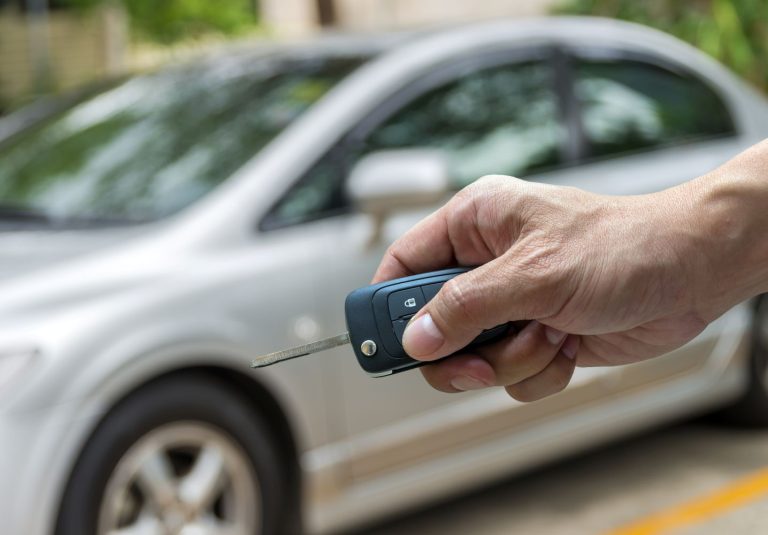
Automotive Locksmith
Can a locksmith make a car key without the original?
Yes, a locksmith can often make a car key without the original. It depends on
License Number: B03034501

Commercial keyless entry systems in Angleton help businesses control who can enter a building, room, gate, storage area, or office without relying on a ring full of metal keys. Employees can use codes, cards, fobs, mobile credentials, or other approved access methods based on the equipment selected.
ASAP Locksmith helps Angleton business owners assess their doors, daily traffic, staff needs, and access concerns. Expect a practical conversation about the property first, followed by system options that fit how your team actually works. No guesswork, no mystery box of keys in the back office.
Many local businesses can benefit from commercial keyless access control in Angleton, TX. A keyless setup can make sense for a small office with a few staff members or a larger property with multiple restricted areas.
Common local business situations include.
A small business may only need a keypad lock at a rear employee door. A larger facility may need access readers on multiple doors, a gate entry setup, and a way to remove former employee access without changing every lock.
That is the practical appeal. When staffing changes, access can change too.
There is no single setup that fits every property. The right choice depends on the door type, building use, employee count, and how much control the business needs.
Keypad locks allow approved users to enter with a PIN code. These can work well for smaller offices, supply closets, employee entrances, and manager-only areas.
A local office might give each manager a separate code. If someone leaves, that code can be removed or changed without collecting a physical key.
Card and fob systems let employees tap or present a credential at the door. This option is common for offices, clinics, schools, storage facilities, and commercial properties with several workers.
Fobs are often easier to carry than a key ring that could double as a boat anchor. If a fob goes missing, its access can be removed from the system.
Some commercial keyless systems allow authorized users to use a mobile device as their entry credential. This can be useful for properties with rotating personnel, managers who travel between locations, or businesses that prefer not to issue physical cards.
Mobile access depends on the chosen hardware, building setup, and the way your business wants to manage credentials.
Standalone locks operate on a single door and do not always connect to a larger system. They can be a sensible fit for a small office, private records room, storage closet, or staff restroom.
These locks may use a keypad, fob, card, or a combination of methods.
Networked systems connect several access points under one management platform. They can be useful for businesses with several doors, separate departments, multiple buildings, or a need for activity records.
A warehouse off Highway 35 may want one setup for the front office, shipping entrance, tool cage, and side gate. Each area can have different permissions based on staff roles.
Gates can also be part of a keyless entry plan. A business may use keypads, fobs, cards, mobile credentials, or intercom equipment for vehicle and pedestrian access.
Gate access is often useful for fenced yards, equipment storage, contractor entrances, and employee parking areas.

Commercial keyless entry systems can help organize access at specific points around a property. The goal is not to make every door complicated. It is to make access more manageable where it matters.
A system may help control access to.
Think of a small retail store on South Velasco Street. The owner may want sales staff to access the front entrance and break room, while only managers can enter the cash office and stockroom. A commercial keyless system can help separate those permissions.
We start by looking at how your business uses the space. The lock on the door matters, but the daily routine matters just as much.
A typical planning visit may cover.
The useful question is not just, “Can this door have a keypad?” It is, “Who needs this door, when, and why?”
It can make access changes more manageable. With traditional keys, an employee departure may lead to questions like, “Did they return the side-door key?” and “Who has the spare?” Those questions can linger longer than a Monday morning meeting.
With commercial keyless systems in Angleton, access credentials may be removed, disabled, or changed based on the equipment and system setup. This can apply to a card, fob, PIN code, or mobile credential.
Businesses should still use clear offboarding steps. Access removal works best when it is part of a routine that includes collecting company property, changing account access where needed, and notifying the person who manages the entry system.
Before choosing commercial keyless access equipment, it helps to consider the building and the people using it. A system should make daily entry easier, not create a confusing new ritual at every door.
Key points to consider include.
A single-door office may need a straightforward keypad lock. A property management office handling several units and maintenance areas may need more layers of access control.
The little details matter. A door that slams hard, sticks during humid weather, or does not latch properly can affect electronic hardware operation. Good access control begins with a door that closes and latches as it should.
Angleton weather can be tough on exterior hardware. Heat, humidity, rain, dust, and changing conditions can all affect doors and access equipment over time.
Exterior commercial doors may need attention when they have.
A rear entrance behind a restaurant or warehouse can see very different conditions than an air-conditioned front office door. Exterior gates near open lots may also collect dust and debris.
ASAP Locksmith can review the condition of the door and related hardware before a keyless system is installed. A solid lock setup cannot fully make up for a door that barely closes on a dry day.
Every business has its own routine, though some situations come up often around Angleton.
A medical office may want staff access at the rear door before patient hours begin. A manager might say, “I need the team inside at seven, but I do not want the front door open yet.” Separate access schedules or controlled staff entry can support that routine.
A local contractor may store tools and materials in a fenced yard near FM 523. The owner may want office staff to have gate access during business hours while crew leaders have earlier entry for job preparation.
A retail shop may need managers to access the cash office while employees only access the sales floor and stockroom. A keyless system can help make that division clearer.
A small business operating from a converted home office may need controlled access between the business area and private residential spaces. This is common for professionals who meet clients by appointment. In that setting, commercial-grade hardware and access planning should account for door use, privacy, and the layout of the property.
A property manager may need maintenance staff to access supply rooms, laundry rooms, utility spaces, and office areas without handing out one master key that opens everything. That is often where credential groups become useful.
Yes. Many commercial systems can be set up around job roles, departments, or locations. This can keep access management from becoming a daily scramble.
A business may organize access in groups like these.
A manager may have access to all approved areas. A warehouse employee may have access to the employee entrance, break room, and assigned work zone. A cleaning crew may receive limited access during agreed service hours.
Keeping roles clear can also reduce awkward situations. Nobody enjoys standing outside a locked door saying, “I thought you had the code.”
Several factors can affect installation timing, system function, and the overall access setup. A site review helps identify these issues before work begins.
Factors may include.
Older commercial buildings around Angleton may have doors with prior hardware changes, patched openings, or frames that need adjustment. Newer properties may have different access needs, yet still require careful coordination around glass doors, aluminum storefront frames, panic bars, or gate operators.
Results also depend on the people using the system. Clear staff instructions, routine credential reviews, and a designated access manager can make daily use much smoother.
ASAP Locksmith serves businesses in Angleton and nearby Brazoria County communities. Local ZIP codes commonly connected with this service area include 77515, 77516, 77531, 77534, 77541, 77566, 77583, and 77584.
If your commercial property is near the Angleton town square, along Highway 288, near the Brazoria County Fairgrounds, or in a nearby community, access control needs can be reviewed based on your building and entry points.
ASAP Locksmith brings locksmith experience to commercial doors, locks, keyless hardware, and access concerns. We focus on practical entry plans for businesses in Angleton, Texas, whether the need is one employee door or several controlled areas across a property. Learn more About Us.
The goal is simple. Help you move away from the old routine of copied keys, unclear access, and that one missing key nobody can account for.
We can discuss door hardware, keyless access options, credential types, restricted areas, and the daily workflow at your location.
If your business needs commercial keyless entry systems in Angleton, Contact Us to discuss your doors, staff access needs, and property layout.
Call ASAP Locksmith at (832) 404-0102.
Common issues include dead batteries, worn keypads, damaged card readers, loose wiring, and access codes that no longer work. Door alignment problems can also keep the lock from engaging properly.
Warning signs include delayed unlocking, flashing error lights, repeated beeping, or employees needing several tries to enter. If the door unlocks without authorization or fails to lock consistently, it should be checked promptly.
Many problems can be repaired by replacing batteries, readers, wiring, lock parts, or programming settings. Replacement may make more sense when the system is outdated, heavily damaged, or no longer meets your security needs.
First, verify that the door is not blocked and that the system has power. Avoid forcing the door or repeatedly entering codes, since this can cause damage or trigger a lockout feature. ASAP Locksmith can help assess the entry issue and discuss repair options.
Yes, most commercial keyless systems allow an authorized manager to remove users, change codes, or adjust access schedules. It is a good practice to update access immediately when an employee leaves or changes roles.
It depends on the type of lock and its backup power setup. Some systems use batteries or backup power, while others may need manual override access. Businesses should keep approved backup entry methods available for emergencies.
Basic checks every few months can help catch weak batteries, loose hardware, worn buttons, and door alignment issues. Regular maintenance is especially important for busy offices, warehouses, medical facilities, and retail doors.
Yes, many systems can be set up for multiple doors with different access levels for staff, managers, vendors, or restricted areas. The right setup depends on the building layout, number of users, and security needs.
It helps to know the system brand if available, the type of credential used, and what the lock is doing wrong. You should also identify who is authorized to approve repairs or programming changes for the business.
No, an unreliable lock can leave your business exposed to unauthorized entry. ASAP Locksmith can inspect the lock, reader, door hardware, and programming to help identify the cause and recommend an appropriate solution.
Yes, a locksmith can often make a car key without the original. It depends on

Rekeying cost usually depends on how many lock cylinders need work, what kind of locks

Truck keys come in three common types, a key fob, a flip key, and a