

Automotive Locksmith
Car Key Cutting and Programming for Modern Vehicle Keys
A copied metal key may open a door but still fail to start a modern car. Learn when a replacement needs cutting, programming, or both.
License Number: B03034501

Safe installation and repair in Aldine, Texas helps homeowners, renters, offices, shops, and property managers secure documents, valuables, records, firearms, cash drawers, and other items that should stay put. ASAP Locksmith handles new safe setup, safe troubleshooting, lock work, mounting, relocation support, and access issues across Aldine, Texas.
Expect a practical visit focused on the safe you have, where it sits, and how you use it. We inspect the condition, discuss placement or repair needs, and work carefully around your home or business. A safe is supposed to be quiet and dependable, not a daily wrestling match.
Aldine safe installation and repair can involve many common safe styles. The right approach depends on the safe’s weight, lock type, location, and what it needs to protect.
ASAP Locksmith can assist with situations involving.
A small document safe in an apartment near Airline Drive needs a different setup than a heavy commercial unit in a warehouse near Aldine Westfield Road. The safe itself matters, but so does the structure beneath it.

Safe placement affects access, stability, privacy, and day-to-day use. A safe tucked behind a closet door may sound convenient until the door cannot open fully. A large unit placed on weak flooring can create a problem nobody wants to discover while carrying laundry through the room.
Before installation, it helps to consider.
In many Aldine homes, the garage is tempting because it offers room. Yet garages can have humidity, temperature swings, and limited privacy. A closet, home office, or interior room may make more sense depending on the safe and the household routine.
Many safes can be secured to a concrete floor, wood framing, or another suitable structural surface. The mounting method depends on the safe’s mounting points and the materials at the installation location.
Anchoring can help keep a portable safe from being easily moved. It also helps the safe remain steady when the door is opened or when a person uses a keypad, key, or combination dial.
During a safe installation in Aldine, TX, the technician checks the location before drilling or securing anything. Concrete slabs, tile floors, wood subfloors, drywall, brick, and masonry all need different care.
A wall safe needs proper support behind the wall. A wall is not automatically a safe mounting surface just because it looks sturdy. There may be plumbing, wiring, studs, insulation, or open cavities hidden behind it. No one wants to turn a safe installation into a surprise home repair project.
A safe may stop working for a few different reasons. Sometimes the issue is simple, like dead batteries in an electronic lock. Other times, the lock, bolt system, door alignment, or internal mechanism needs attention.
Common safe repair calls in Aldine include.
Sometimes the issue begins with a simple comment from a customer.
“It worked yesterday. Now it just beeps at me.”
That can point to batteries, a keypad concern, lockout timing, or another electronic issue. A technician checks the safe’s condition before deciding what service steps fit the situation.
Start by slowing down. Repeatedly entering codes, forcing the handle, or yanking the key can make an access problem worse. Safe doors and locks have moving parts that need controlled handling.
Try these basic checks first.
If the safe still will not open, ASAP Locksmith can assess the issue. The goal is to address the access concern while treating the safe and surrounding area with care.
Older safes can often remain useful if the body, hinges, door, bolt work, and locking mechanism are in usable condition. Many older dial safes found in Aldine homes have been sitting in closets, garages, back rooms, or family businesses for years.
An older safe may need.
A family may discover a heavy safe in a parent’s home near Aldine Middle School and have no combination, no key, and no paperwork. That is a common situation. The safe’s make, condition, and lock type guide the next steps.
Changing access credentials makes sense when a household member moves out, an employee leaves, keys go missing, or access control needs to be updated. Commercial settings often need more frequent access changes because more people may have used the safe over time.
Consider changing the combination, code, or lock access after.
For a small business near FM 1960 or a service office off the North Freeway, limiting safe access to the people who need it can make daily procedures simpler. Too many people knowing the code can turn into a “who changed it?” conversation fast.
Home safe installation usually begins with choosing the location and checking the path into the house. Heavy safes need thoughtful handling from the start. Tight hallways, steps, tile, wood flooring, and narrow closet openings can all affect the work.
A typical residential visit may include.
A homeowner in an Aldine neighborhood may want a safe in a primary bedroom closet, while another may prefer a study or interior storage room. The answer depends on access, privacy, and the room’s structure.
Commercial safe installation and repair in Aldine can support offices, retail stores, medical practices, restaurants, auto shops, storage facilities, and property management locations. These safes often handle deposits, receipts, keys, contracts, or sensitive documents.
Commercial needs can include.
A cash safe behind a counter near JFK Boulevard needs a placement plan that allows staff use without blocking a work area. A property manager may need a document safe placed where only authorized team members can reach it. Every business layout has its own little quirks.
Safe relocation is possible in many cases, though the safe’s weight, size, route, and destination all need review. Moving a safe is not like shifting a bookcase after coffee. A heavy unit can damage floors, walls, and door frames if handled carelessly.
Before arranging a safe move, consider.
A move from a ground-floor office near Hardy Toll Road to a second-floor storage area has different challenges than moving a safe across a single room. The route matters nearly as much as the safe.
Safe work can vary based on the safe’s age, condition, lock style, installation location, and access path. A simple battery issue may be identified quickly. A damaged internal lock, a heavily packed safe door, or an older unit with worn parts can require more inspection.
Factors that may affect the work include.
Keeping the safe model information, any available keys, and details about recent problems ready can help the technician understand the situation. Small details can matter. “The keypad started blinking after the storm” is useful information.
ASAP Locksmith provides safe installation and repair service for Aldine-area homes and businesses in ZIP codes including 77032, 77037, 77039, 77060, 77073, 77093, 77038, and 77090. If you are near Aldine Mail Route Road, Veterans Memorial Drive, Imperial Valley Drive, or the nearby North Houston area, safe service may be available for your location.
ASAP Locksmith brings a practical locksmith approach to safe placement, access concerns, and repair needs in Aldine, Texas. Learn more About Us. We understand that a safe can hold personal papers, business records, family items, store deposits, or equipment keys. That is why careful handling matters.
Whether you have a safe that will not open, a new unit waiting for proper placement, or an older safe that needs attention, we focus on the specific condition of your safe and the setting around it.
For safe installation and repair in Aldine, contact ASAP Locksmith at (832) 404-0102. We can discuss your safe, its location, and the issue you are dealing with. Visit Contact Us to schedule service.
Trouble turning the dial, a sticking handle, keypad errors, or a door that will not fully close can all signal a problem. It is best to stop forcing the safe, since extra pressure may damage the lock or bolts.
In many cases, a trained safe technician can help open a safe when the combination is lost or the code no longer works. The method depends on the safe type, lock condition, and proof that you own or are allowed to access it.
Repair may be a good choice if the safe body, door, and locking bolts are still in solid condition. Replacement may make more sense when the safe has major rust, fire damage, repeated lock failures, or no longer meets your security needs.
Choose a location that is dry, easy for you to access, and not obvious to visitors. Clear the area around the planned spot and think about the floor strength, wall space, and safe size before installation begins.
Many safes can be secured to concrete floors or placed in a closet when the location supports proper anchoring and door clearance. A professional can review the space and help determine the safest mounting approach for your home or business.
Low batteries, worn keypad buttons, wiring issues, or incorrect code attempts can cause error messages and beeping. Replace batteries if the manufacturer allows it, and avoid repeated guessing that could trigger a lockout mode.
Moving a safe can be dangerous because safes are heavy, unbalanced, and can damage floors or cause injuries. It is safer to use proper moving equipment and secure the safe before transporting it.
ASAP Locksmith can assess whether the issue involves the handle, bolts, lock, hinge, or door alignment. The goal is to use an appropriate repair method while avoiding unnecessary damage to the safe and its contents.
Check the keypad batteries, door movement, handle, and locking bolts at least once a year. In Aldine, Texas, keeping the safe away from moisture and humidity can also help prevent rust and sticking parts.
A safe with a broken lock, loose bolts, warped door, or rusted body may not provide the protection you expect. Have the damage inspected so you can decide whether repair, lock replacement, or a new safe is the better option.
A copied metal key may open a door but still fail to start a modern car. Learn when a replacement needs cutting, programming, or both.
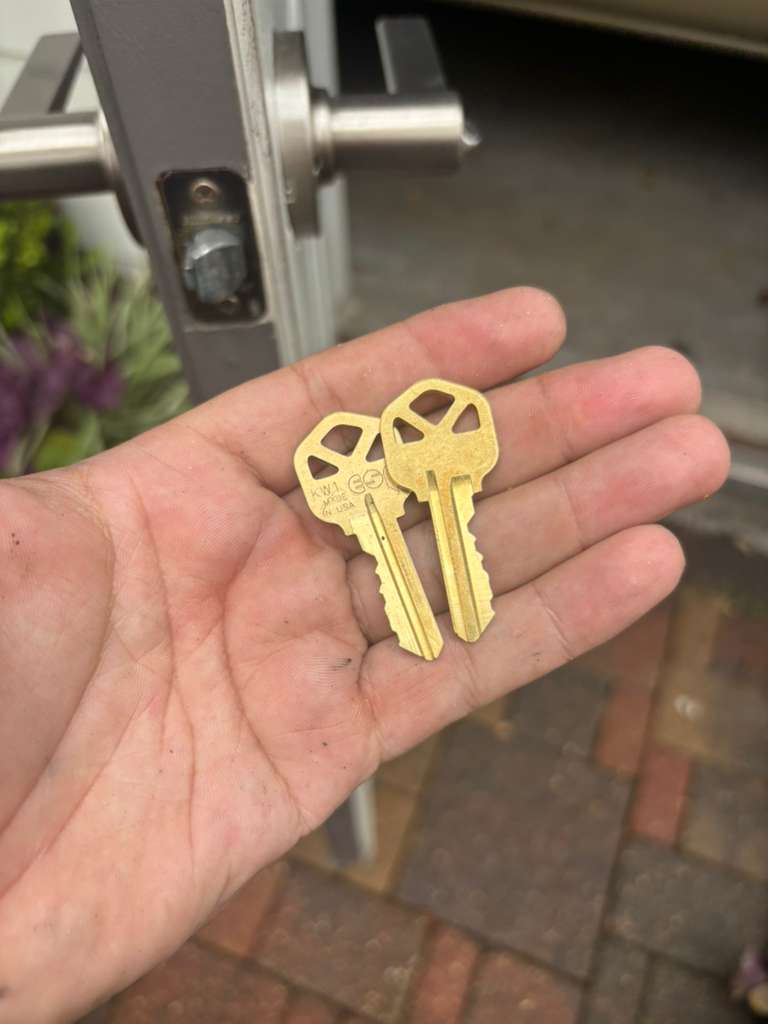
A practical spare-key plan gives regular residents access while limiting loose copies. Learn who may need a key, where backups belong, and when to rekey.
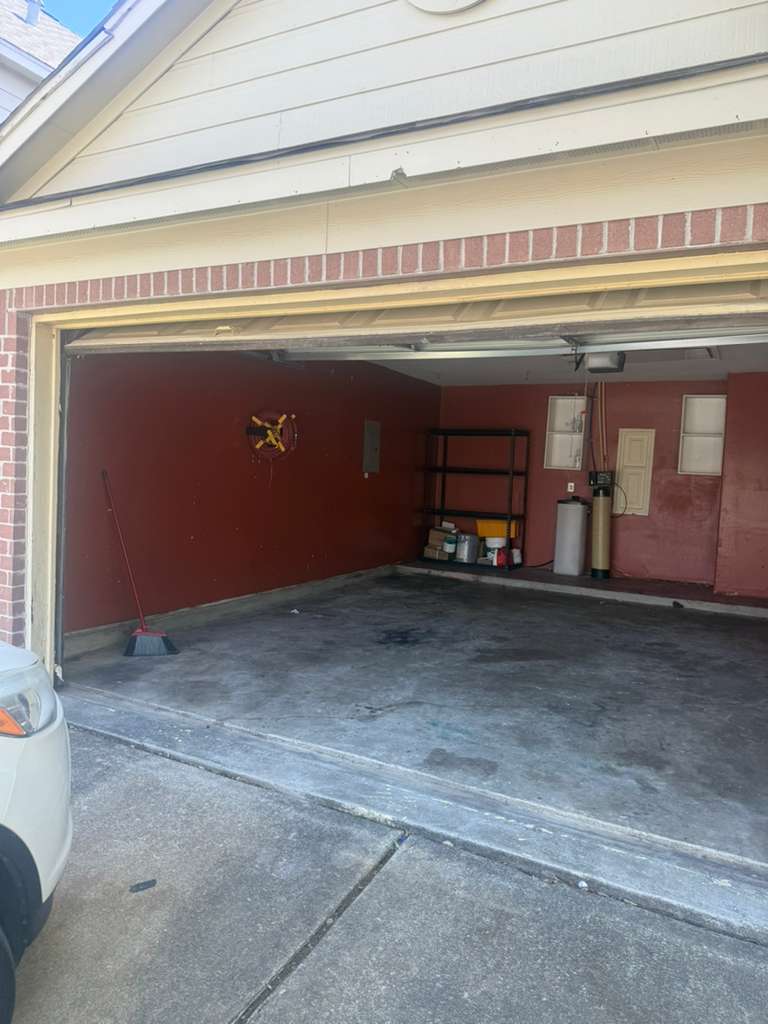
A garage entry lock may bind because the door and strike plate are out of line, the door has shifted, or dirt has built up inside the lock. Test it open and closed before you force the key.