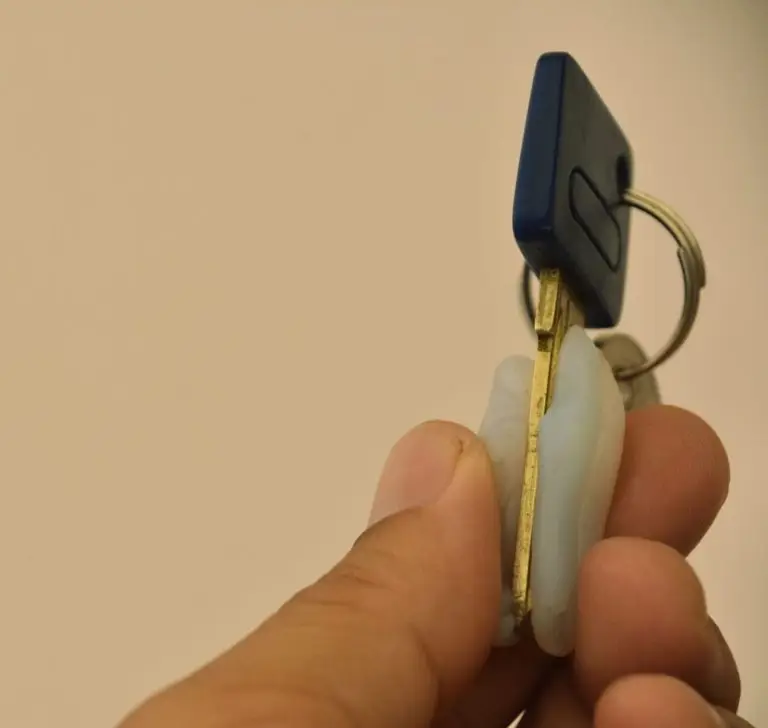
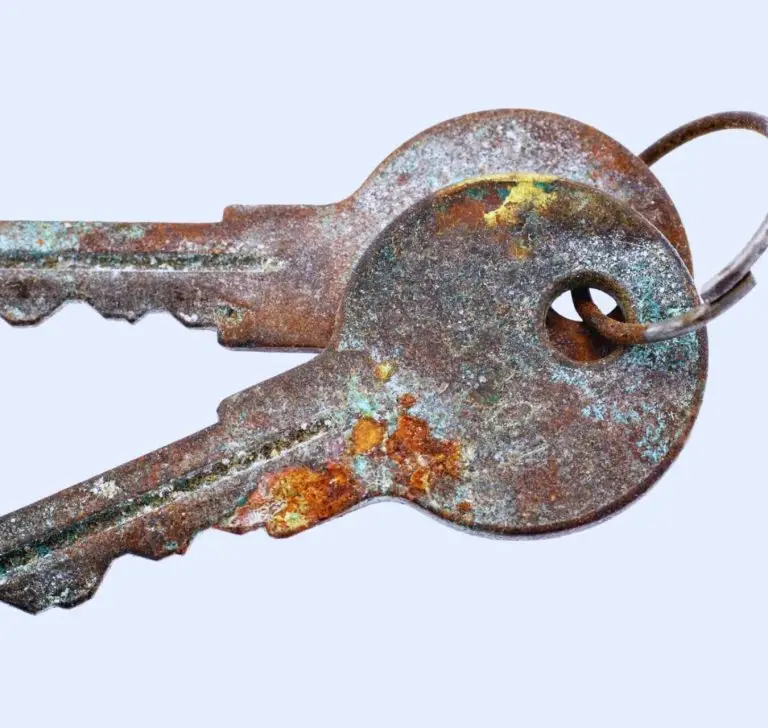
If your garage door lock won’t turn, first test it with the door open and then closed. A lock that works open but binds closed usually points to a door or strike plate alignment problem. A lock that sticks in both positions may have dirt, wear, or a problem inside the key cylinder. Don’t force the key or handle.
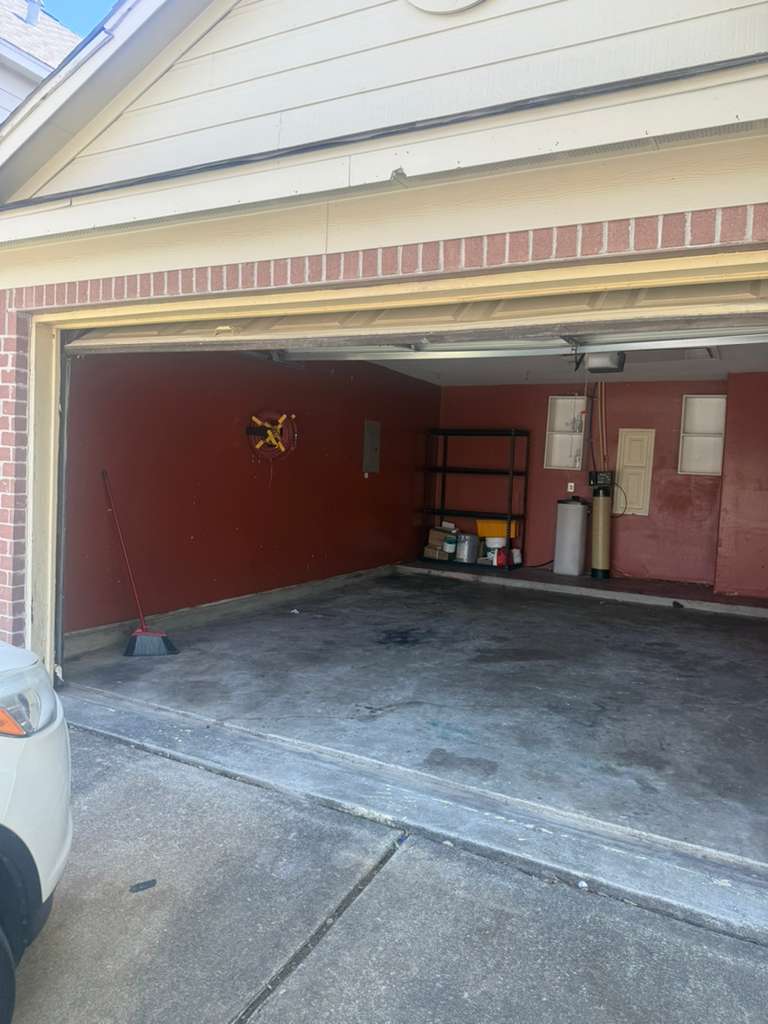
Start by finding out when the lock binds
A garage entry door can mean the side door that leads outdoors or the door between an attached garage and the house. Either door may have a keyed deadbolt, a knob lock, a lever lock, or a handle set. The first safe check is the same for each type.
Close the door only after you make sure you can still get back in another way. Keep a working key with you. Then try the lock in these two conditions.
- With the door open Turn the key or thumb turn and watch the bolt. It should move in and out without scraping or needing much force.
- With the door closed Turn the lock again. Pay attention to whether the bolt stops, drags, or needs you to push or pull the door.
Schlage’s deadbolt installation guidance uses this open-door test before a closed-door test. If a bolt drags or hits the strike plate with the door shut, the strike or door frame may be out of line.
This quick comparison gives you a useful clue. It also keeps you from trying to fix the wrong part. A key cylinder cannot make a misaligned door frame line up, and moving a strike plate will not clear debris from inside a sticky cylinder.
When the garage door lock won’t turn only with the door closed
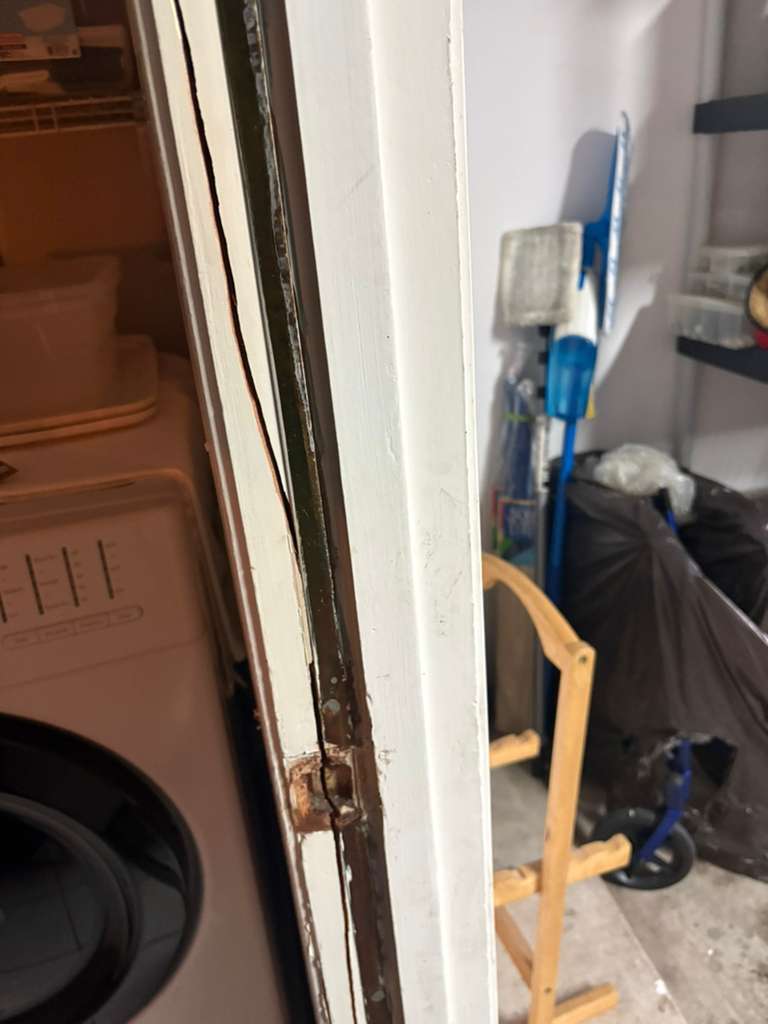
If the key turns easily with the door open but resists after you shut it, look at the fit between the bolt and the strike plate. The strike plate is the metal piece on the frame where the bolt enters.
Try lifting the door slightly by the handle while turning the key. Next, try pressing the door toward the frame, then pulling it gently toward you. If the lock works only when you hold the door a certain way, the bolt is likely not entering the strike cleanly.
Look for signs that the door has moved
Check the gap around the door. A gap that looks tighter at the top, bottom, or latch side can point to movement. Loose hinge screws, a sagging door, a swollen wood door, worn weatherstripping, or changes in the frame can alter how the bolt meets the strike.
Houston heat and humidity can affect exposed doors and their frames. An exterior garage side door may swell or shift with moisture. A frequently used door between the garage and home can also develop loose hardware over time. The cause depends on the door material, hinges, frame, and lock type.
Use a simple mark check
Put a small amount of washable chalk or dry-erase marker on the end of the deadbolt. Lock the door once, then unlock it and inspect the strike plate. A mark on the plate’s top, bottom, or edge can show where the bolt is rubbing. Wipe the mark away when you finish.
Don’t start drilling, filing, or widening holes in the frame based on a single test. Small changes can make the door latch poorly or weaken the wood around the strike. A door that needs force to lock needs a fit check rather than more force.
When the key sticks with the door open too
A lock that binds while the door is open has a different likely starting point. Dust, small particles, old residue, or wear inside the lock can make the key hard to insert or turn. The key itself may also be bent, worn, or poorly cut.
Try a spare key if you have an original or known good copy. Compare it with the key that sticks. Look for bent teeth, cracks, or a key bow that has twisted. Stop if the key feels like it may snap. Removing a broken key is harder than dealing with a sticky lock.
Clean and lubricate with the right product
Use a lock lubricant labeled for locks and follow the label directions. Master Lock’s lock care guidance notes that dust, particles, and chemicals can create friction in lock parts. It recommends a light PTFE lubricant and warns that too much graphite can interfere with movement.
PTFE is a low-friction material used in some dry lock lubricants. Use only a light application. Insert and remove the key a few times, then turn it gently. Wipe any excess from the key and door finish.
Avoid using cooking oil, grease, or a heavy household oil in the keyway. These products can leave residue that catches dirt. Don’t spray a cleaner into an electronic keypad, smart lock, or key fob slot unless its maker says that product is safe for the device.
Know when cleaning is no longer the answer
Stop trying to lubricate the lock if the key will not enter fully, turns only partway, feels rough at the same spot every time, or comes out with metal shavings. Those signs may point to worn or damaged internal parts. Repeated force can break the key or damage the cylinder further.
If a thumb turn inside the home is hard to move with the door open, the lock body may also need inspection. Keep the door unlocked while you arrange help if you can secure the home another way. Do not leave an exterior garage side door unsecured overnight.
Check the handle before blaming the deadbolt
Many garage doors have two locks. There may be a deadbolt above and a knob or lever below. The lower latch needs to retract fully when you turn the handle. If it doesn’t, the door may stay under pressure and make the deadbolt feel difficult to lock.
With the door open, turn the handle and release it. The latch should pull back and spring out again. Check for loose screws around the handle and on the hinges. Tighten screws only if they are clearly loose and the screw head still grips. A screw that spins in place needs a proper repair rather than more tightening.
Also check whether weatherstripping is folded, torn, or caught in the latch area. Clear loose debris from the threshold and door edge. Never wedge a fire-separation door open to avoid a sticking latch.
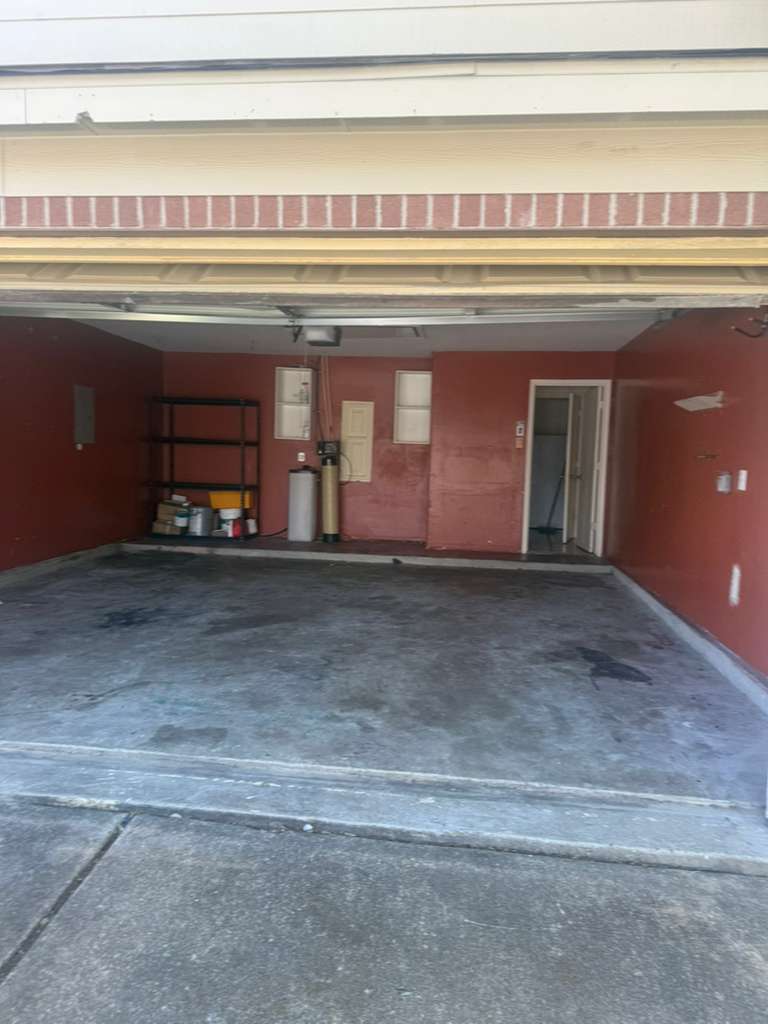
Protect the door between your garage and home
The interior door from an attached garage deserves extra care. The U.S. Fire Administration recommends a 20-minute fire-rated door between the garage and the home that is self-closing and self-latching.
That recommendation is a reason to test the whole door after any lock or hinge work. Open it, let it close, and confirm that the latch catches without a hard slam or a push from your hand. A deadbolt is separate from the latch. The door needs to close and latch on its own even when the deadbolt is unlocked.
Do not replace this type of door hardware with a product that prevents the door from latching. If you are unsure whether your door is fire-rated or whether a repair will affect its closing action, ask a qualified professional to assess the door and lock together.
Choose repair, adjustment, or replacement based on the symptom
| What you notice | Best next step |
|---|---|
| The key works open but not closed | Check hinges, door position, and where the bolt contacts the strike. |
| The lock binds open and closed | Try a known good key and a light lock-safe lubricant. Stop if it remains rough. |
| You must lift or pull the door to lock it | Have the door and strike alignment checked. |
| The key is bent, cracked, or hard to remove | Stop using that key and use a good spare if available. |
| The lock has visible damage or missing parts | Arrange professional lock repair or replacement. |
| The garage-to-home door will not close and latch | Address the door and latch promptly so the door can close as intended. |
A repair may make sense when the lock body is sound and the problem is a loose hinge, strike position, screw, key, or light buildup. Replacement may be the better route when internal parts are worn, the cylinder is damaged, or the lock no longer works reliably. The right choice depends on what is found during an inspection.
Get help before a small bind becomes a lockout
Don’t wait until a key breaks or the door will not lock at all. If the basic tests point to alignment trouble, a damaged lock, or a problem you cannot safely identify, a locksmith for garage service can inspect the lock, key, strike, and door fit. ASAP Locksmith lists garage entry door lock service, lock repair, lock changes, and rekeying for Houston homes.
Questions homeowners often ask
Can weather make a garage entry door harder to lock?
It may. Moisture and temperature changes can affect some door materials, frames, and weatherstripping. If the trouble comes and goes with the season, inspect the door gap and bolt position while the issue is happening. A lock that binds only when shut still points first to door fit.
Should I use WD-40 in a sticky door lock?
Use a product made and labeled for lock lubrication instead. A light PTFE lock lubricant is a better match for lock components than a heavy or oily product that can leave residue. Check the lock maker’s instructions if your lock has electronics.
Why does my key turn but the door still won’t open?
The deadbolt may retract while the spring latch remains stuck, or the door may be pressing against the frame. Try turning the handle while applying gentle push and pull pressure to the door. Stop if the handle, key, or door feels like it could break.
Can I rekey a garage entry lock instead of replacing it?
Rekeying changes which key works the lock. It can be useful after a key change when the lock is otherwise in good working condition. Rekeying will not correct a bolt that misses the strike, a broken key cylinder, or a latch that does not retract.
For a sticking garage entry lock in Houston, call ASAP Locksmith at (832) 404-0102 to schedule lock repair, adjustment, rekeying, or replacement. If someone is trapped, or there is fire or smoke, call 911 first.