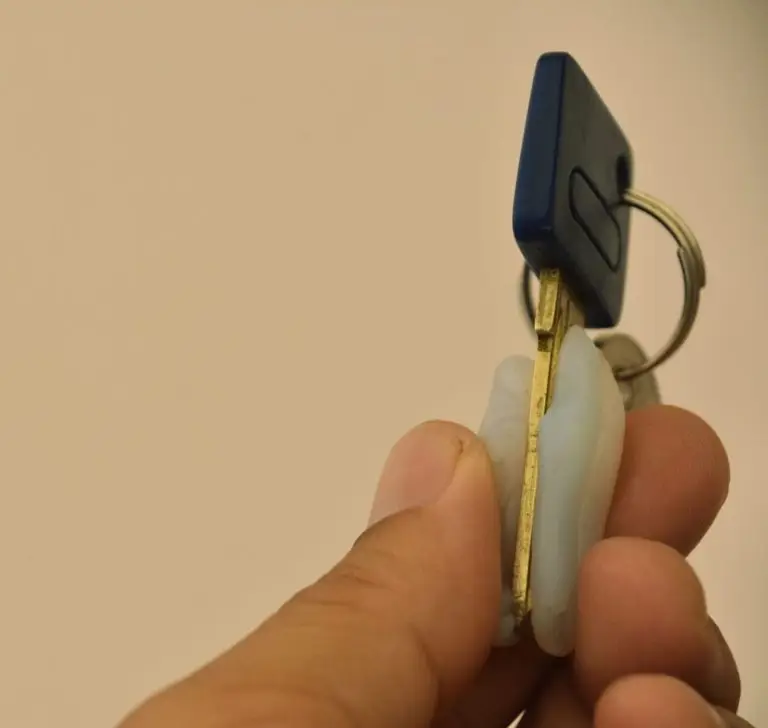
Most households need one everyday key for each regular resident and two controlled spare house keys. Keep one backup inside your home and give the other to a trusted nearby person. Add a copy only when someone has a real, ongoing need to enter. If a key goes missing or an old resident may have one, rekeying the lock is safer than making more copies.
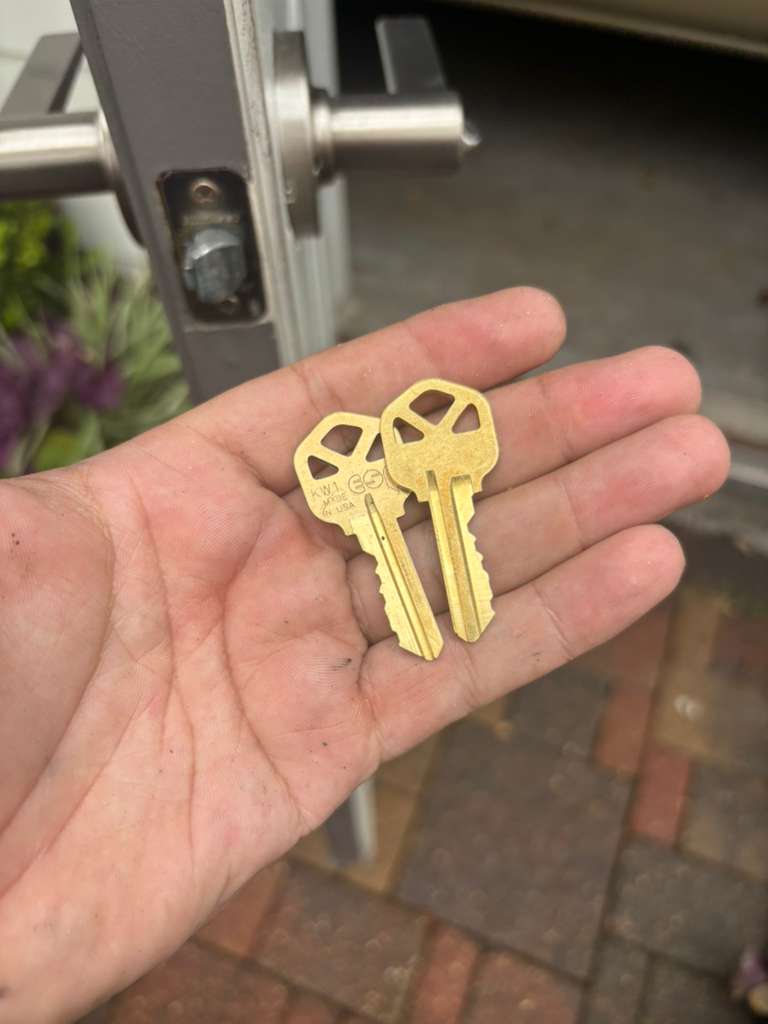
Start with the people who live there
Give each adult or older child who regularly comes and goes their own working key. A shared key often creates trouble when it stays in a coat pocket, car, gym bag, or desk drawer while someone else needs it.
Think about normal routines before you order copies. Ask who leaves first, who gets home last, and who may arrive when nobody else is home. A resident who only has access through another person does not have dependable access.
For many homes, the basic count looks like this.
- One everyday key for each regular resident
- One spare stored securely inside the home
- One spare held by a trusted nearby person
That plan gives the household a backup without scattering keys around. A household with two residents would often have four keys in all. The right count can be lower or higher based on who needs routine access.
Decide whether another person truly needs a key
Extra keys make sense when access happens often and you want that person to enter without waiting for you. Each added copy should have a clear owner and purpose.
People who may need recurring access
- A caregiver who visits on a set schedule
- An adult child who helps with errands or checks on the home
- A pet sitter who makes regular visits while you travel
- A housemate who has moved in and uses the exterior door daily
- A nearby family member who is your agreed backup contact
A contractor, cleaner, short-term guest, or occasional pet sitter may not need a permanent key. Meet them at the door when practical, use a temporary access method your lock supports, or arrange access only for the needed visit. Fewer long-term copies are easier to track.
Before handing over a key, have a plain talk about where it will be kept. A key left in an unlocked vehicle, loose bag, or shared office drawer can pass through many hands. Ask the person to tell you quickly if it is lost.
Keep spare house keys where they can help without inviting entry
A backup does no good if it is locked inside with every other key. Yet an outdoor hiding place can turn a simple lockout plan into a security problem. ADT warns against obvious hiding places such as under doormats, flowerpots, doorjambs, mailboxes, and wallets.
The most dependable backup is usually with a person you trust who lives close enough to help. Choose someone who answers calls, knows your household, and agrees to keep the key secure. Tell them which door the key opens and how to reach you if they get a request from someone claiming to be you.
Your indoor spare can be useful after you get back into the home, when a resident needs to replace a misplaced everyday key. Keep it in a known, secure place that is not part of your usual grab-and-go routine. Let the regular residents know where it is. Otherwise, it may become a hidden key nobody can find when it is needed.
Do not label a key with your street address. If it falls out of a bag, an address tag tells a stranger where to try it. If you need a label for a key ring, use a private mark that only your household understands.
Make a simple key list before copies multiply
You do not need a complicated system. A short private note on paper or in a protected household record can prevent guesswork later. List the person, the number of keys they have, the door each key works, and the date you gave it to them.
Review the list after a move, breakup, roommate change, employee change for a home-based business, or change in caregiving. These events often leave old copies unaccounted for.
Use this check before making another key.
- Can this person enter without the copy?
- Will they need access more than once or twice?
- Do I know where they will keep it?
- Will I ask for it back on a known date?
- Can I record that they have it?
If the answer to several questions is no, a permanent spare probably is not the right choice.
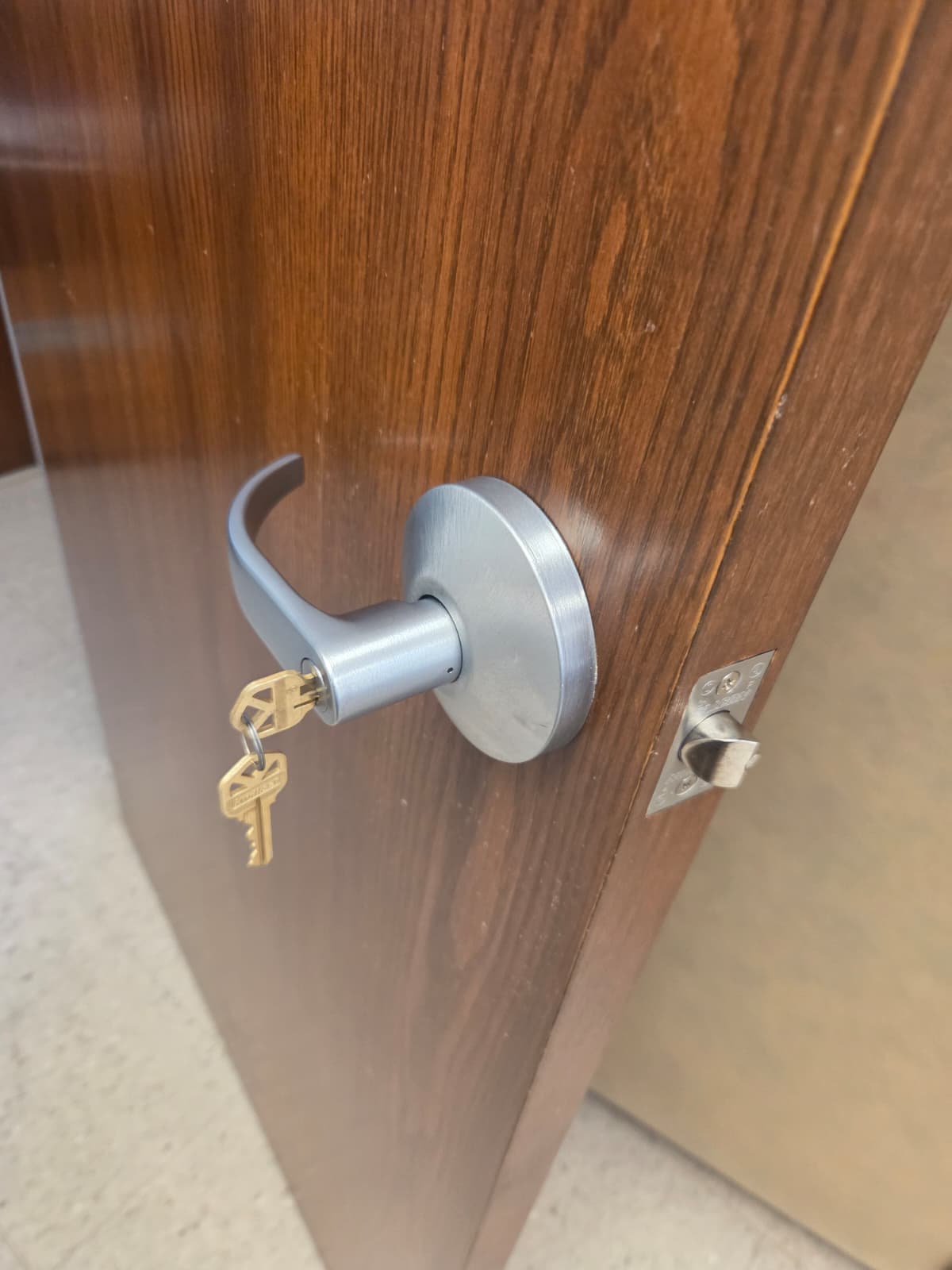
Get copies before a lost key becomes a lockout
Make duplicates from a key that still works well. A worn, bent, or damaged original may lead to a copy that sticks or fails. Test each new key in the lock while you are home and able to use another door if needed. Do not force a key that will not turn.
Some keys have restrictions, are part of a managed building system, or need added verification before they can be copied. Renters should check the lease and ask the landlord or property manager about key rules before ordering copies. The Texas Attorney General’s renter information notes that rental homes generally must have required security devices on exterior doors, subject to exceptions. Report missing or defective security devices through the landlord process rather than making assumptions about changes to the lock.
Homeowners and tenants in Houston can use Residential key duplication from ASAP Locksmith for daily-use copies and shared-access backups. Bring the working key and be ready to answer questions if your key type has restrictions.
Choose rekeying when control of old keys is the real issue
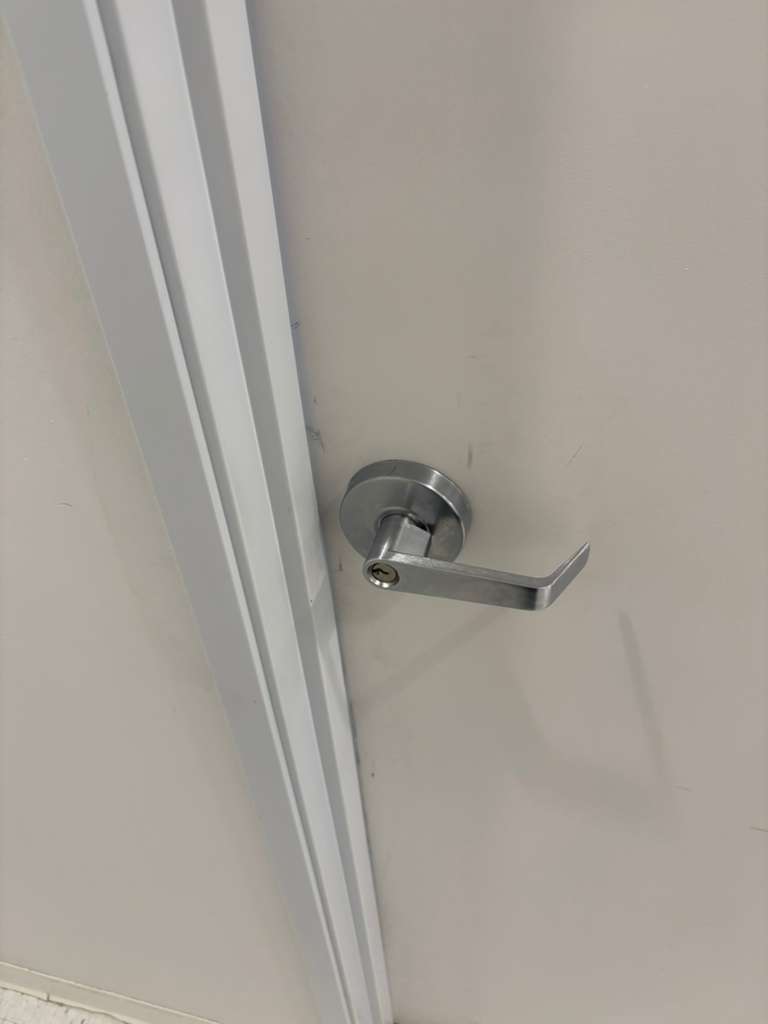
Duplicate keys solve an access problem. They do not solve uncertainty about who has an old copy. Rekeying changes the lock so a new key works and old keys no longer operate it. This Old House describes rekeying as a step to consider after moving into a home or when keys are lost or stolen.
Consider rekeying when any of these situations apply.
- You moved in and do not know who has copies from before
- A roommate, tenant, caregiver, or partner moved out and did not return every key
- A key ring with home keys was lost or stolen
- You gave keys to several people and no longer know where they are
- A key was returned late or came back damaged
A missing key does not always point to a break-in risk. Still, you cannot tell who may find it or where it may end up. Rekeying lets you reset access, then build a smaller and clearer key plan.
Plan for Houston weather and household disruptions
A spare-key plan belongs in your broader household contact plan. Heavy weather, power loss, road closures, school changes, or a dead phone can keep a resident from getting home when expected. Pick a nearby backup person before you need one, and make sure each resident knows how to contact them without relying on a single phone.
Agree on a simple rule for children and teens. They should know who may let them in, where they can wait safely if nobody is home, and which adult to call. Do not leave a key in a predictable outdoor place as the substitute for that plan.
Check your plan twice a year. Confirm that the backup person still lives nearby, still wants the role, and still has the right key. Test the key during a normal visit. This small check can catch a key that has been misplaced or a plan that no longer fits your household.
Questions people ask about spare keys
Should I leave a spare key with my neighbor?
It can be a sound choice if the neighbor is trustworthy, easy to reach, and willing to keep the key secure. Agree that they will contact you before giving the key to anyone. If they move away or your relationship changes, collect the key and update your list.
What should I do if my only house key is lost?
First, check whether the key had anything that identifies your home. If it did, or if you cannot account for the key, consider having the lock rekeyed instead of only making a replacement. If you are locked out, avoid forcing the door or trying to take the lock apart. That can damage the door, frame, or lock.
Can a renter make spare house keys?
It depends on the lease, property rules, and key type. Some building keys may be restricted or tied to a master-key setup. Ask the landlord or property manager before copying a key, especially when the key has a marking that suggests restricted duplication.
Do smart locks remove the need for backup keys?
They may offer another access option, but a backup plan still matters. Check how the lock works during a low battery, internet outage, phone loss, or forgotten code. If your lock uses a physical keyway, keep track of that key under the same rules as any other exterior key.
For planned key copies, a lockout, or help resetting access after a missing key, call ASAP Locksmith at (832) 404-0102. Ask for residential key duplication or rekeying service and explain what kind of key or lock you have so the next step fits your home.