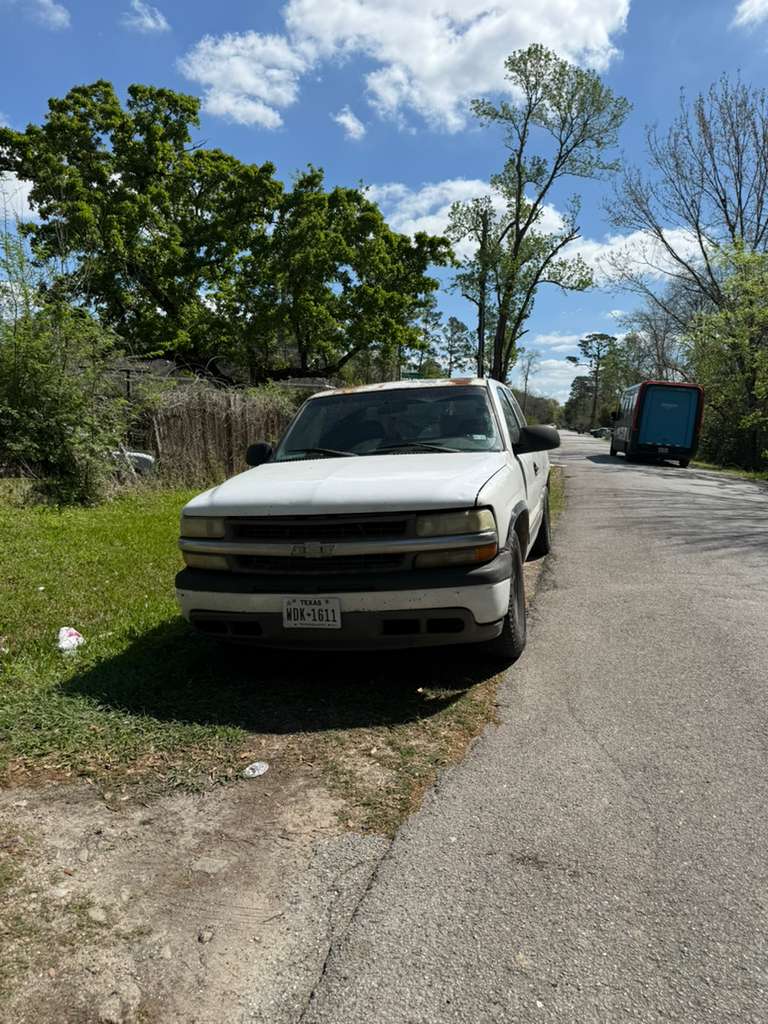
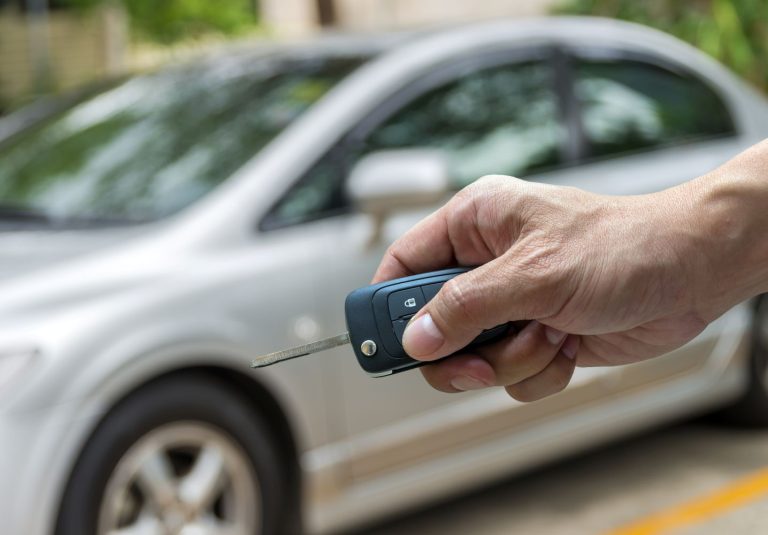
Work trucks need a locksmith when a key, fob, door lock, ignition, or locked toolbox keeps the driver from getting in, starting the truck, or reaching needed equipment. Plan before that happens. Keep a secure spare-key process, save truck details, confirm ownership papers, and use a properly qualified provider when a lock or key fails.
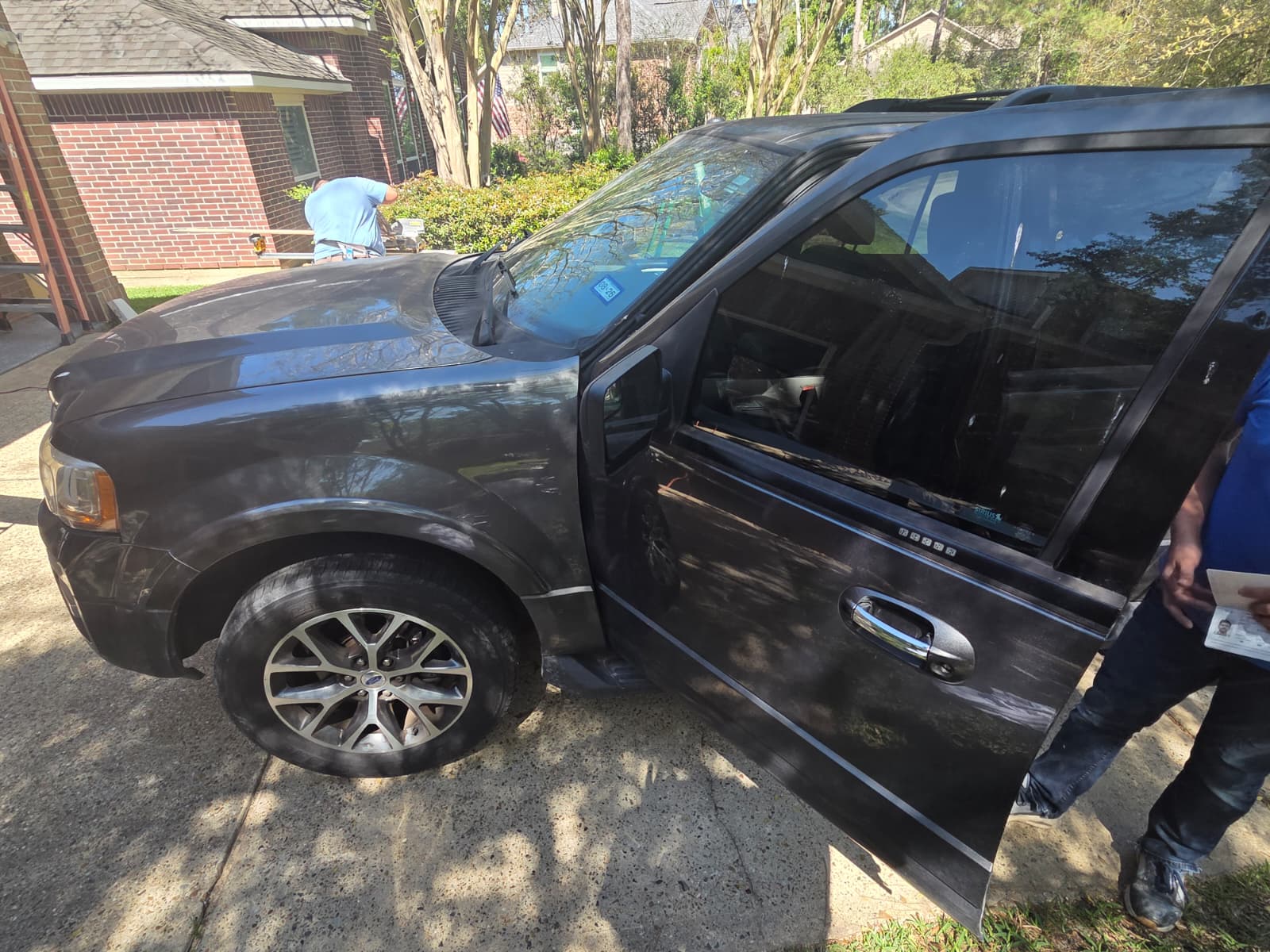
Know which work truck problems can stop the day
A truck issue isn’t always a cab lockout. A crew may have the truck but can’t reach tools. A driver may get inside but the truck won’t recognize the key. A worn ignition may turn poorly or fail to turn. Each problem calls for a different check before anyone starts work on the vehicle.
The keys are locked in the cab
Look through every door and window before calling. Check whether another authorized driver has a spare or whether the truck maker’s app offers access for that specific vehicle. Do not pry a door, force a window, or try to defeat the lock. Those attempts can damage weather seals, glass, wiring, or the door itself.
Lockouts are common enough to plan for. AAA Via reported that lockouts made up 10 percent of its roadside calls in 2024. For a work truck, that delay can also leave tools and paperwork out of reach.
The key is missing, broken, or won’t start the truck
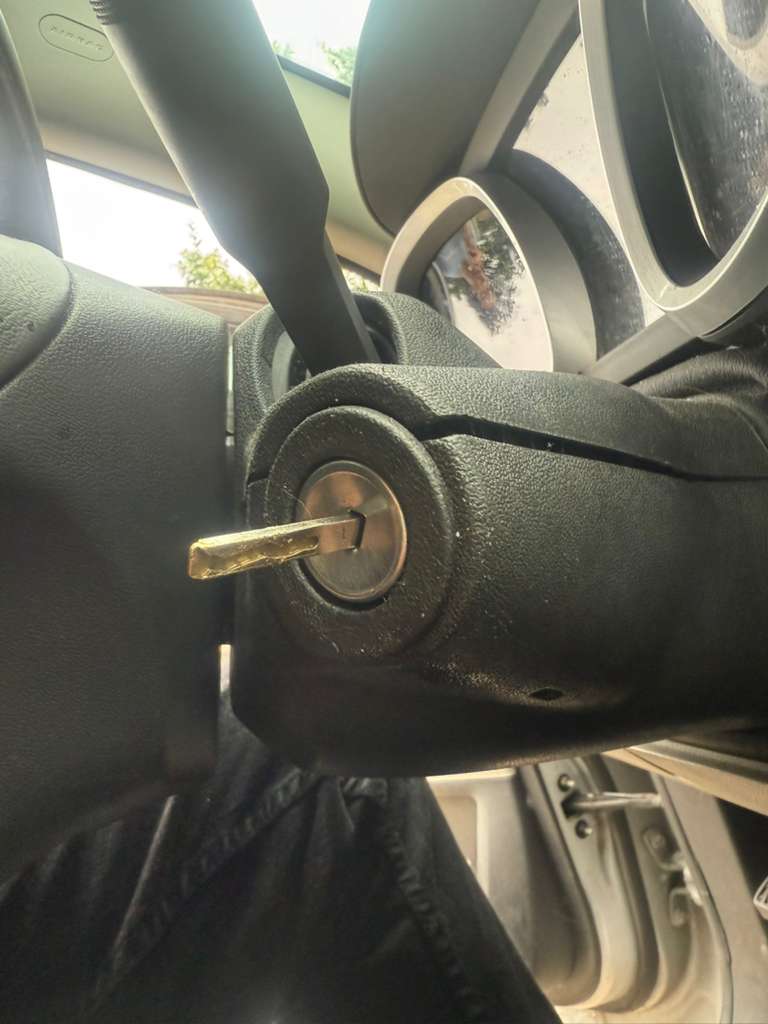
A lost key needs a replacement path. A broken key needs careful handling, especially if part of it remains in a door or ignition. Don’t use pliers or glue inside the lock. Pushing a broken piece farther in can make the problem harder to assess.
Many newer truck keys have a transponder, which is a small chip that the truck reads before it will start. A metal key may open the door but still not start a truck if the chip is missing or the key is not programmed for that vehicle. A remote or fob can also need attention when its buttons fail, the battery is weak, or the truck does not detect it.
The door, ignition, or toolbox lock is damaged
A key that sticks, a lock cylinder that spins, or an ignition that feels rough should not be ignored. Stop forcing it. Tell the provider what the key does, where it binds, and whether the issue affects one door or several. That description helps separate a lock concern from a key or remote concern.
Toolbox access deserves its own plan. The truck may still run, yet the crew can’t get the tools needed for the job. Keep the toolbox brand, lock type if known, and any separate toolbox key number with fleet records. Do not leave that key number in the cab.
Build a spare-key plan that protects the truck
A spare is useful only if the people who need it can get it without creating a theft risk. Avoid hiding a loose key under the truck, inside a magnetic box, or in an unlocked job box. If someone finds it, they may also find the truck.
Choose a spare process that fits how the truck is used. A single-owner truck may have a spare kept at home. A small fleet may keep controlled spares with a manager. A crew that changes drivers may need written rules for who receives, returns, and reports each key or fob.
- Label records by truck unit number, not by the full vehicle identification number.
- Record who has each key, fob, or toolbox key.
- Keep ownership and insurance documents where an authorized driver can reach them when needed.
- Test every spare key in the door and ignition before relying on it.
- Replace a weak fob battery before it becomes a jobsite problem.
- Remove keys from a former employee or temporary driver from the active key list right away.
For trucks with chip keys, test the spare by starting the vehicle. Opening a door isn’t enough. For a remote, test lock, unlock, and any needed functions while standing near the truck. Write down the test date so the spare plan does not become a guess months later.
Keep the information a locksmith will need
Gather details before there is an urgent call. A driver who is stressed, standing in a supply-house lot, may not know the truck’s exact year or key type. Put the needed details in a protected fleet record or another place authorized staff can access.
Prepare this call checklist
- Truck year, make, model, trim if known, and unit number
- The vehicle identification number and registration or other proof that the caller is allowed to request service
- Whether the problem is a lockout, lost key, broken key, fob issue, ignition issue, or toolbox lock
- The truck’s exact location, including the business name, lot area, gate information, and a callback number
- Whether tools, medication, a child, or a pet are inside
- Whether the truck can be left where it is while arrangements are made
Don’t post photos of the full key, vehicle identification number, registration, or key code in a group text. Send sensitive records only through a method the provider directs. A legitimate provider may ask for proof that you can authorize work on the truck.
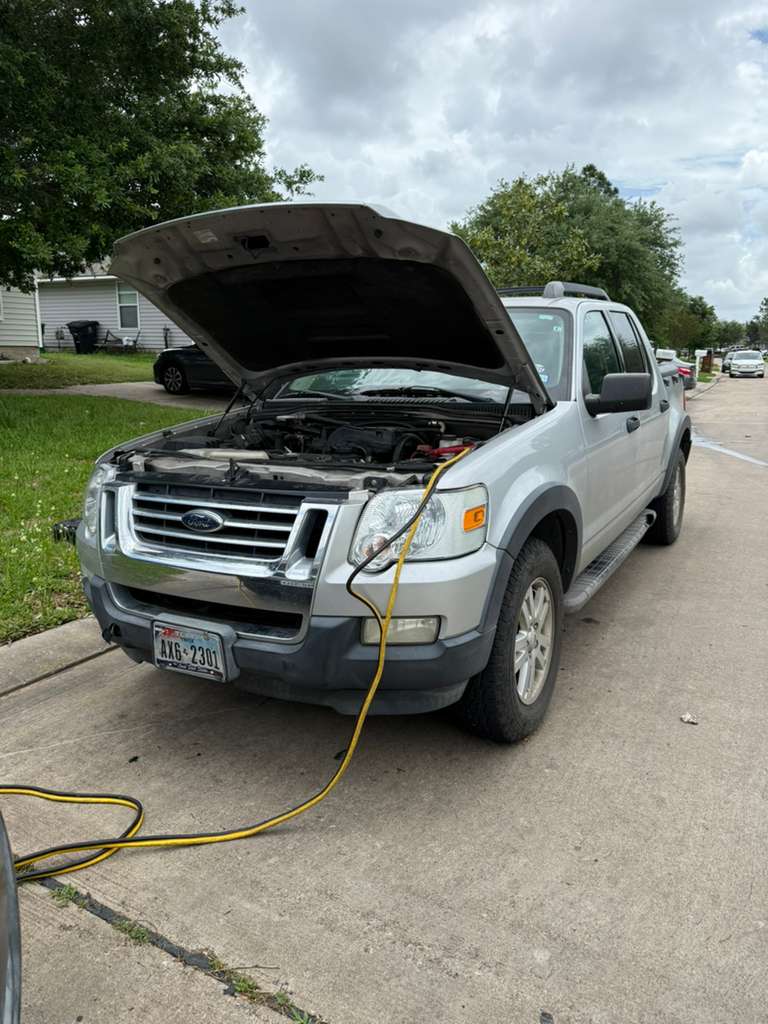
Choose a locksmith for work trucks with care
Ask what the provider needs to confirm the truck’s make, model, and key type. Ask whether they can assess the stated problem before service starts. Clear questions help avoid assuming every truck uses the same key, remote, ignition, or toolbox lock.
Texas regulates locksmiths through its private security profession. The Texas Department of Public Safety says it handles licensing, background checks, complaints, discipline, and enforcement involving unlicensed private security services. Check a provider’s current status through the state before nonurgent work, and ask about documentation when you call.
For Houston truck owners, save the dispatch number and your truck records where a driver can find them at a jobsite, gas station, supply house, or parking area. Give the dispatcher the location and truck details first. Then follow any instructions about staying with the vehicle, meeting the technician, and showing authorization.
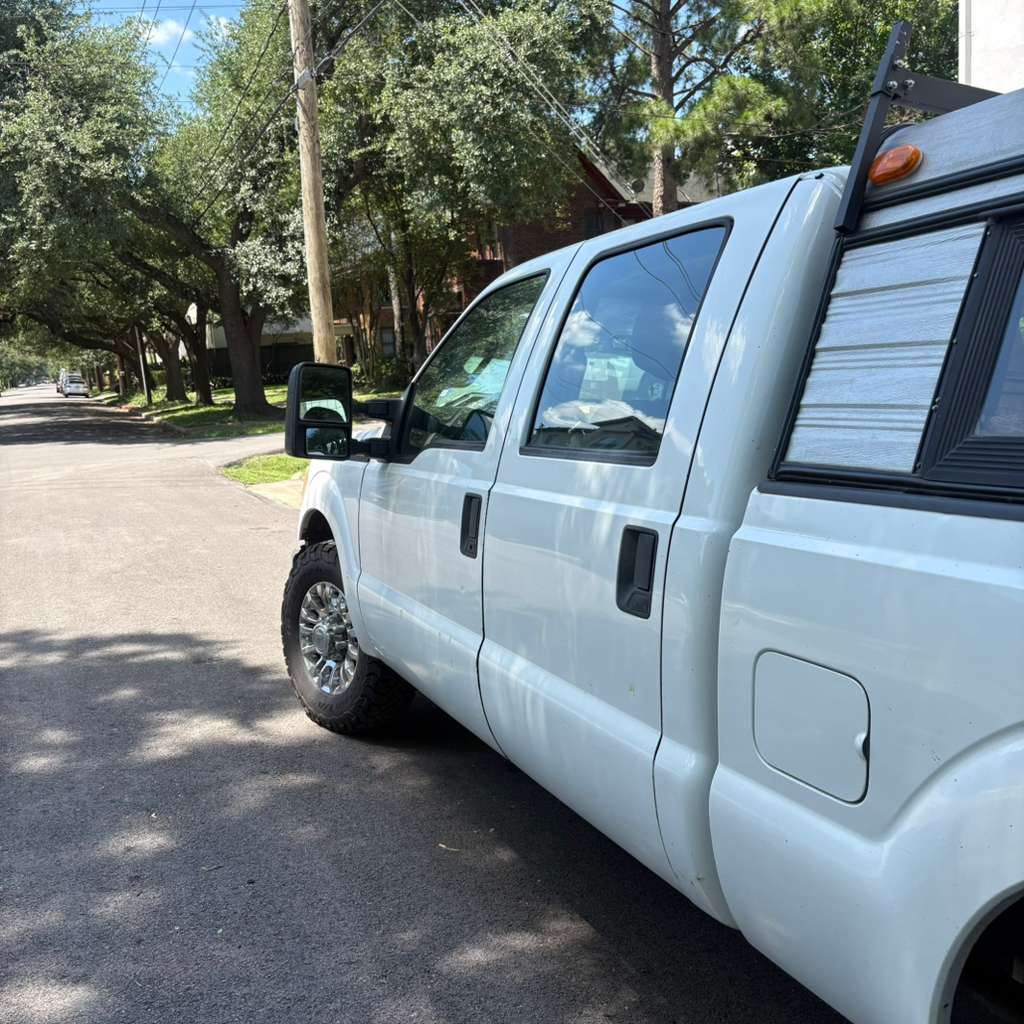
Use the right service for the truck problem
The service request should match the access problem. Saying only that the truck is locked can leave out a separate toolbox lock or a key that will not start the engine. Give a complete but simple description.
| What happened | Useful details to report | What to check after work |
|---|---|---|
| Cab lockout | Which doors are locked and where the keys are believed to be | Each door opens and locks normally |
| Lost truck key | Truck year, make, model, key type, and proof of authorization | Door access, starting, and remote functions if present |
| Broken key | Where it broke and whether any piece remains inside the lock or ignition | The key turns without sticking and the affected lock works |
| Fob or chip-key issue | What the truck does when the key or fob is used | Lock, unlock, and starting functions work as expected |
| Toolbox lock problem | Toolbox location, lock details, and whether the truck key is separate | The box closes, locks, and opens with the intended key |
ASAP Locksmith lists truck locksmith service for lockouts, lost keys, broken key extraction, ignition repair, transponder and remote programming, rekeying, toolbox locks, and spare keys. Its listed process includes checking the truck’s make, model, and key type, then testing functions after the work is done. Availability depends on the truck and the service needed.
Protect keys, tools, and the truck after service
Once access is restored, take a few minutes to reduce the chance of another stop. Put the working key and spare back in their assigned places. Update the key log if a key was replaced or removed. If a lost key may be linked to the truck’s location or company name, ask what key or lock changes may fit that situation.
Keep tools and valuables out of sight when the truck is parked. The National Highway Traffic Safety Administration advises drivers to take the key, close and lock doors and windows, park in well-lit areas, and avoid leaving valuables visible. The agency also notes that some vehicles use key chips or other devices that can prevent starting without the proper key.
Before the truck leaves, test the parts that matter to that crew. Try each serviced door. Start the truck with every working key. Test the fob. Open and lock the toolbox. A short check on site can catch a function that still needs attention before the next job.
Questions work truck owners often ask
Can a locksmith make a key when every truck key is gone?
It may be possible, but the truck’s make, model, year, key type, and proof of authorization matter. A chip key or remote may need cutting and programming. Have the vehicle identification number and registration ready, then ask whether the provider can handle that truck before dispatch.
Should a driver leave a spare key hidden on the truck?
Hidden keys can create a theft risk if someone finds them. A controlled spare held by an owner, manager, or authorized key custodian gives access without placing a usable key on the vehicle. The best setup depends on who drives the truck and where it is parked.
What should a fleet do when a truck key goes missing?
Document the loss, identify the truck and assigned driver, and review who may have had access. If the missing key could be tied to the truck or its location, speak with a qualified locksmith about available key and lock options for that vehicle. Update the key log after any change.
Need help with a truck lockout, lost key, ignition concern, remote issue, or toolbox lock in Houston? Call ASAP Locksmith at (832) 404-0102, describe the truck and the problem, and have proof of authorization ready for the next step.