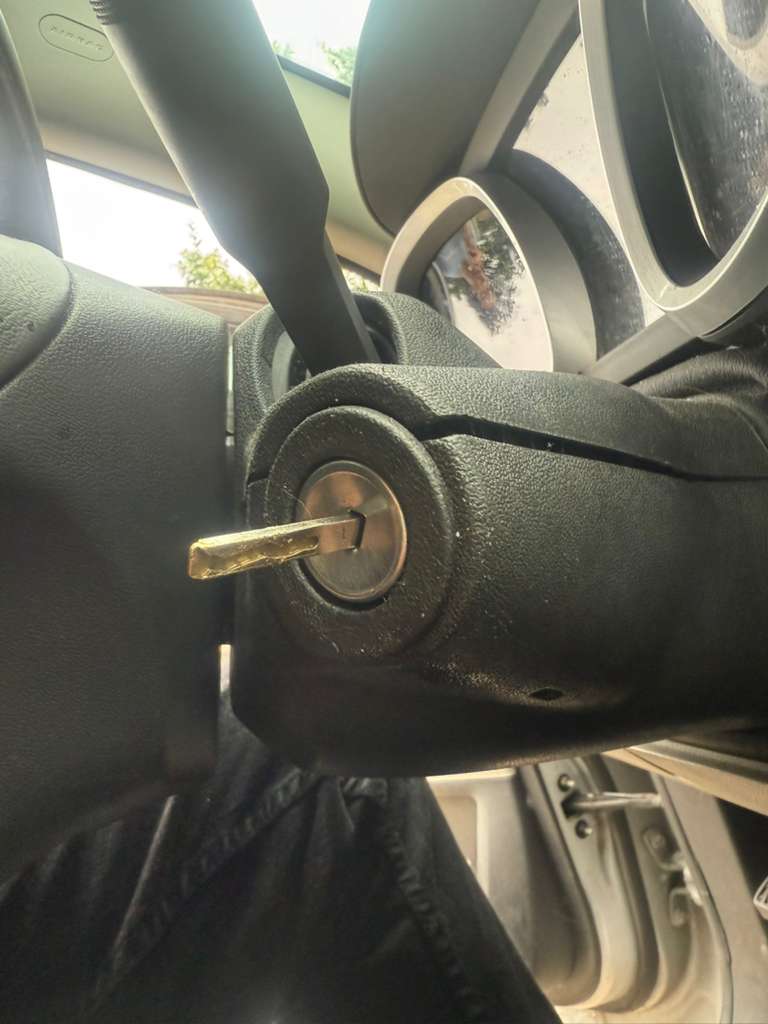
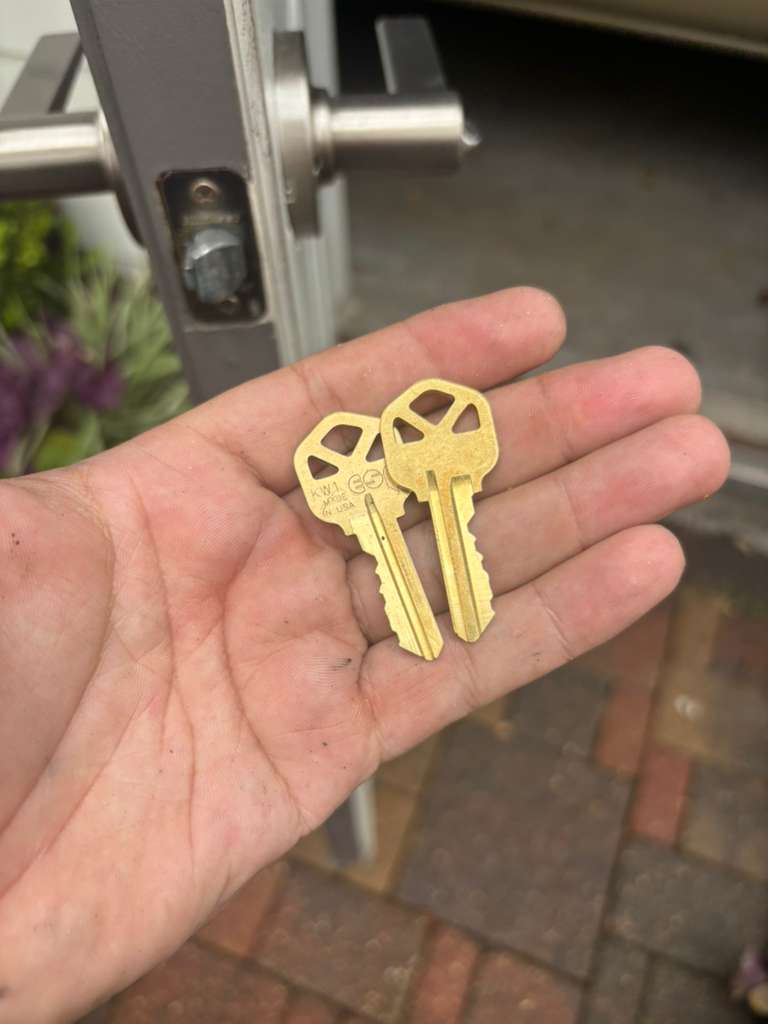
What if the key is stuck or broken in the garage lock?
Do not force the key if it is resisting. A hard twist can break the blade inside the cylinder, bend the key, or damage internal lock parts. It is tempting to grab pliers and give it “just one more try.” That move can turn a small lock issue into a bigger one.
If the key is stuck.
- Stop turning it once you feel heavy resistance.
- Avoid spraying random household lubricants into the lock.
- Do not push a second key into the keyway.
- Check whether the door is pressing against the latch or deadbolt.
- Contact ASAP Locksmith for inspection and assistance.
If a key has already broken, leave the visible piece alone if it is loose. Do not use glue, wire, or a screwdriver inside the lock. Those methods can block the keyway and make extraction more difficult.
A locksmith can inspect the lock cylinder, remove the broken key when possible, and check whether the key failure came from a worn key, a damaged cylinder, door alignment, or another cause.
What causes a garage door lock to stop working?
Garage access locks deal with weather changes, frequent use, dirt, moisture, and door movement. In Houston-area weather, heat and humidity can affect doors and hardware over time. A lock may not be the only part at fault.
Common causes include.
- A worn lock cylinder
- Bent or copied keys
- Loose door hardware
- Door swelling or shifting
- A misaligned strike plate
- Rust or grime inside the lock
- A damaged latch assembly
- A deadbolt that is rubbing against the frame
- A door that has settled over time
- Damage from a forced entry attempt
- Hardware installed with incompatible parts
Garage doors and side doors often get more rough-and-tumble use than the front door. People carry lawn equipment, groceries, sports gear, boxes, paint cans, and who knows what else through that entrance. A door can get bumped, slammed, or pulled out of alignment over time.