What happens during house key duplication?
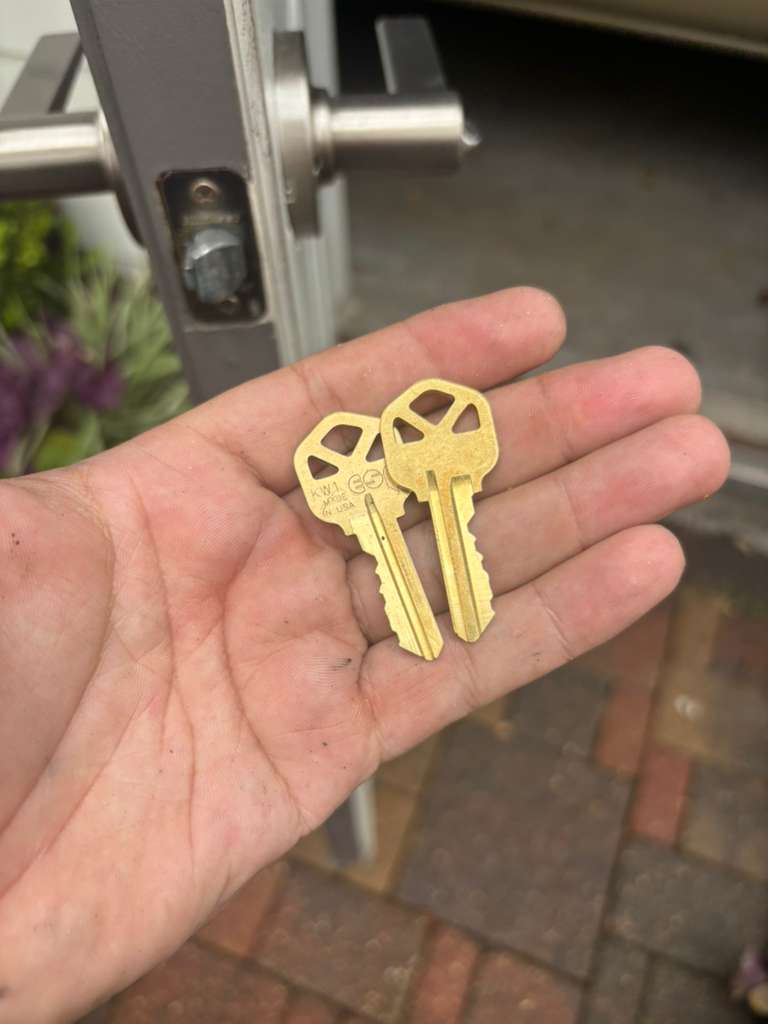
The process starts with the key you have. A locksmith examines its shape, cuts, grooves, and condition. The goal is to create a duplicate that matches the working key as closely as the key and lock condition allow.
A typical residential key duplication visit may include these steps.
- The original key is checked for wear, cracks, bends, or uneven cuts.
- The key type and matching blank are identified.
- The duplicate is cut to match the original.
- The duplicate is checked for fit and operation when possible.
- If the original key is badly worn, guidance may be provided on whether a fresh key made from the lock may be more suitable.
A clean duplicate should enter the lock without forcing it. If a key needs a shoulder shove, a wiggle, and a pep talk before it turns, there may be an issue with the key, the lock, or both.
When an old key does not copy well
Not every original key is a good pattern for duplication. A key that has been used for years can become worn down around the cuts and edges. If someone copied that worn key several times over the years, each copy may be slightly farther from the original lock pattern.
This is common in rental homes, older family homes, and properties where keys have changed hands many times. A homeowner might say, “This key works if I turn it just right.” That is usually a clue worth checking.
Signs that the original key may be too worn for a simple duplicate include.
- The key sticks in the lock
- The key only works when flipped a certain way
- The key turns with extra pressure
- The key has visible bends or cracks
- The teeth look rounded or uneven
- Multiple existing copies work differently
- The key sometimes opens the door and sometimes does not
In these cases, ASAP Locksmith can inspect the situation and discuss the next practical step. A key issue may involve the original key, the cylinder inside the lock, dirt in the keyway, or normal hardware wear.