
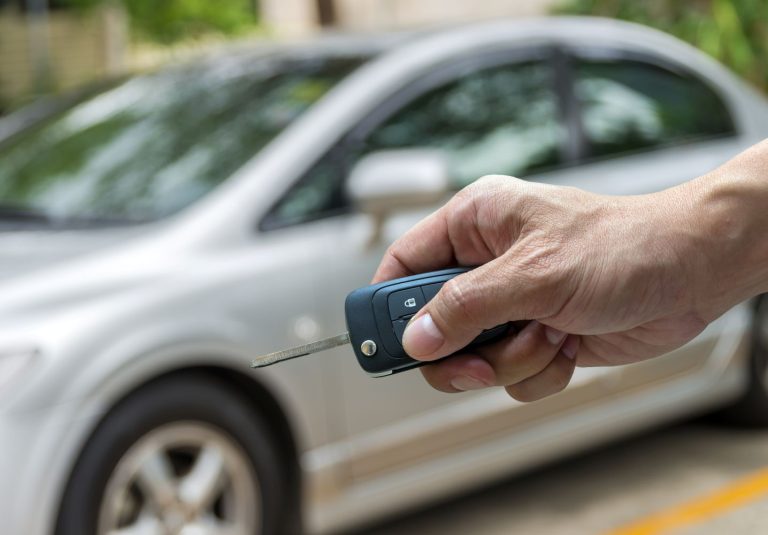
Automotive Locksmith
Can a locksmith make a car key without the original?
Yes, a locksmith can often make a car key without the original. It depends on
License Number: B03034501

Residential Lock rekeying in Atascocita, Texas changes which key works in your existing home locks. It helps new homeowners, renters, landlords, and families who want to control access after a move, lost key, roommate change, or contractor visit.
ASAP Locksmith can inspect the locks at your Atascocita home, identify which ones can be rekeyed, and reset the lock cylinders for a new key. You can expect a practical review of your exterior doors, a discussion about access needs, and clear next steps for your household.
A lock contains a small internal cylinder with pins that match a specific key cut. Rekeying changes those pins so the previous key no longer operates that lock. The lock hardware can often stay on the door if it is in usable condition.
This is different from replacing the entire lock.
Rekeying is often considered when the door lock still works properly, but the homeowner does not know who may still have an old key. Maybe the prior owner gave copies to a neighbor. Maybe a dog walker had one. Maybe there is a mystery key floating around a junk drawer somewhere.
With home lock rekeying, the focus is access control. The goal is to make your current lock work with a different key.
Many homes in Atascocita change hands, welcome new tenants, or have family members coming and going. A rekey can be useful in several common situations.
A homeowner may say, “We got every key back.” That is good news, but it does not answer whether extra copies were made. Rekeying can remove that uncertainty without changing every piece of door hardware.
Many new residents schedule residential lock rekeying soon after moving in. Boxes, moving trucks, utility appointments, and furniture deliveries can create a busy first week. Still, exterior door access is worth putting near the top of the list.
Think about every entrance that may have been used before you arrived.
Homes around Eagle Springs, Atascocita Shores, The Groves, Walden on Lake Houston, and nearby Humble communities can have several door entries. It is easy to focus on the front door and forget the garage-to-house door. That door matters just as much.
A simple note on your phone can help. Walk around the house and list each lock before service begins. It keeps the process from turning into a scavenger hunt.
Many standard residential keyed locks can be rekeyed if the lock is functioning and the cylinder is compatible with the service. A locksmith checks the type of lock, its condition, and whether prior damage or wear affects the work.
Locks that may need a closer look include.
Sometimes a lock can be rekeyed and adjusted. Sometimes the condition of the hardware points toward a replacement discussion. The locksmith can explain what is found at the door so you can understand the options.
A residential rekey appointment usually starts with a walkthrough of the locks you want addressed. The locksmith checks the exterior doors and asks who needs keys after the work is complete.
The general process may include.
A lock that turns smoothly while the door is open can act differently once the door is closed. Door settling, loose hinges, weather stripping, and a misaligned strike can all affect operation. Testing the lock in normal use helps catch those details.
Sometimes, yes. Many homeowners prefer a single key for the front door, back door, garage entry, and side door when the lock brands and keyways are compatible.
A single-key setup can reduce the number of keys on your ring. Fewer keys can mean less pocket clutter. Nobody needs a key ring that sounds like a janitor is coming down the hallway.
Still, separate keys may make sense in certain situations.
The locksmith can review how you use the property and help organize a practical key arrangement.
You do not need to prepare much, though a few steps can make the visit easier.
Start by gathering any keys you already have. Old keys can help identify which locks currently match, even though they will no longer work after rekeying. If you have separate keys for the front door, back door, and garage, keep them together.
Also consider who needs access after the work is complete.
If a person only needs occasional access, it may be better to think carefully before giving out a permanent key. A spare key can be useful, but hiding it under a fake rock is a bit of an old movie move.
The number of locks, the type of hardware, and the condition of each door can affect how long residential lock rekeying takes. A home with one front deadbolt is different from a property with multiple exterior doors, a gate, and a detached garage.
Other factors can include.
Atascocita weather can also play a part. High humidity, heavy rain, and wood movement around a door frame may cause a latch or deadbolt to drag. Rekeying changes the key operation. It does not automatically correct every door alignment issue, though the condition can be identified during the visit.
A lost key does not always mean someone knows which house it belongs to. Still, many homeowners prefer to rekey when a house key is missing, especially if it was lost near their neighborhood, driveway, mailbox, or vehicle.
Maybe the key slipped out during a walk near Lake Houston. Maybe it disappeared during a grocery trip off FM 1960. Maybe a child came home from school and said, “I had it this morning.” That sentence can make any parent pause.
If the lost key was attached to identifying information, a garage remote, or an address tag, rekeying becomes even more relevant. It removes the old key’s ability to operate the affected lock.
Yes. Residential lock rekeying can be useful for rental houses, townhomes, and managed properties in Atascocita and nearby areas. Turnover between tenants is a common time to review keys and exterior access.
A property manager may need to account for.
Clear key records can save trouble later. Label keys by property and door, store them securely, and avoid mixing old keys with current sets. “Which one opens the back door?” should not become a 20-minute guessing game.
Access changes can be sensitive. Rekeying may be considered when someone who previously had permission to enter no longer needs access. The same applies after a roommate leaves, a caregiver arrangement ends, or family circumstances change.
Before changing locks in a shared home or rental, consider lease terms, property ownership, and any legal access rights. A locksmith can work on the hardware, while questions about authority to change access may need to be addressed with the owner, landlord, or relevant parties.
Keeping the conversation simple can help.
“We are updating access for the home.”
That is often enough. No long speech needed.
A lock is only part of the entry system. The door, hinges, frame, latch, deadbolt, strike plate, and weather stripping all work together.
A newly rekeyed deadbolt may still feel difficult if the bolt does not line up with the strike opening. In many Atascocita homes, seasonal weather and everyday use can cause minor shifts. A door may swell after wet weather or sag slightly from hinge wear.
During a service visit, it helps to mention anything you have noticed.
Those details point the locksmith toward the issue faster.
Residential lock rekeying in Atascocita commonly involves homes in 77346 and 77396. Nearby residential service areas may also include 77338, 77339, 77345, 77336, and 77532, covering parts of Humble, Kingwood, Huffman, and Crosby near the Atascocita area.
If you are near FM 1960, West Lake Houston Parkway, Atascocita Road, or Will Clayton Parkway, describe your neighborhood and the type of home lock when you contact our team.
ASAP Locksmith provides residential lock rekeying for homeowners, renters, landlords, and property managers in the Atascocita, TX area. The service focuses on the locks you already have, the people who need access, and the condition of each door. Learn more About Us.
A straightforward conversation helps make the visit useful. Let the locksmith know whether you are moving in, changing tenants, dealing with a lost key, or trying to make several doors work from one key. Small details matter.
If you need Residential Lock rekeying in Atascocita, Contact Us to discuss your home’s locks and access needs. Call (832) 404-0102 to arrange service with ASAP Locksmith.
Rekeying changes the inside pins of your existing lock so it works with a new key. The lock hardware stays in place, but old keys no longer open the door.
Rekeying is a smart choice after moving into a new home, losing keys, ending a roommate arrangement, or giving keys to workers. It helps you regain control over who can enter your home.
In many cases, locks from compatible brands can be adjusted to work with one key. A locksmith can inspect your door locks and let you know whether they can be matched or if a lock needs replacement.
Rekeying is often a good option when the lock is in good working condition and you only need to block old keys. Replacement may be better if the lock is damaged, loose, rusted, outdated, or difficult to operate.
A key that sticks, turns roughly, or requires force can point to worn parts or a door alignment problem. Rekeying may still be possible, but the lock should be checked for damage before the work begins.
The locksmith removes the lock cylinder, changes the internal key pins, and tests the new key. They should also check that the latch and deadbolt operate smoothly when the door is open and closed.
It is best for the homeowner or an authorized adult to be present to approve the work and provide access to the doors. Before the visit, gather any keys you still have and decide which locks you want changed.
Often, yes. A locksmith may be able to rekey the lock after opening or servicing it, depending on the lock type and condition. ASAP Locksmith can assess the situation and explain the available options for your home.
Avoid forcing keys, keep the keyway clear of dirt, and make sure the door closes without rubbing against the frame. If a lock becomes hard to turn, have it checked early to help prevent a full lockout or further wear.
Yes, rekeying after a home purchase is a practical safety step because you may not know who has copies of the old keys. ASAP Locksmith can rekey the locks you choose so your household starts with new key control.
Yes, a locksmith can often make a car key without the original. It depends on

Rekeying cost usually depends on how many lock cylinders need work, what kind of locks

Truck keys come in three common types, a key fob, a flip key, and a