

Automotive Locksmith
Car Key Cutting and Programming for Modern Vehicle Keys
A copied metal key may open a door but still fail to start a modern car. Learn when a replacement needs cutting, programming, or both.
License Number: B03034501

Residential Lock repair in Aldine helps homeowners, renters, landlords, and property managers deal with locks that stick, loosen, spin, jam, or stop working the way they should. ASAP Locksmith works on common home entry locks, deadbolts, doorknobs, handle sets, patio door locks, mailbox locks, and other household hardware.
You can expect a close look at the lock, the door, and the strike area before repair work begins. Sometimes the issue is inside the lock. Sometimes the lock is fine, but the door has shifted a little and the latch no longer meets the frame correctly. It is a small detail that can create a big headache.
A home lock has several moving pieces, and any of them can wear down over time. Residential lock repair in Aldine can address problems with the lock body, latch, cylinder, keyway, strike plate, screws, and surrounding door hardware.
Common repair needs include
A lock may look fine from the outside while the inner components are worn. That is why a quick spray of lubricant does not always solve the issue. Sometimes it helps. Sometimes it only gives the lock a short vacation before the same trouble returns.

A lock usually gives a few warning signs before it stops working entirely. Paying attention early can help you avoid getting stuck outside while carrying groceries, managing school pickup, or trying to get inside after a long day on Airline Drive.
Consider lock repair if you notice any of these signs
A common Aldine scenario goes like this. Someone says, “The key turns, but nothing happens.” In many cases, the key is turning the cylinder while a worn internal connection is no longer moving the latch or bolt. That needs more than a little muscle.
Homes across Aldine deal with regular use, changing weather, moisture, settling foundations, and doors that take a daily beating from kids, pets, moving furniture, and rushed exits. A lock does not live alone. It depends on the door, hinges, frame, and strike plate around it.
Several local conditions can play a role.
Wood doors and frames can shift. Metal doors can also move slightly over time. When the door no longer lines up with the strike plate, the deadbolt may scrape, catch, or refuse to lock. Residents near Aldine Westfield Road, Veterans Memorial Drive, and Little York Road often deal with older doors that have seen plenty of use.
Texas humidity can affect wood doors, especially exterior doors that face direct rain or shade. The door may swell slightly, changing the way the latch meets the frame. A lock that worked smoothly last month may suddenly feel stubborn.
Keys wear down gradually. A copied key may also be slightly off from the original. When a worn key begins catching inside the lock, people often assume the lock is bad. The key, the cylinder, or both may need attention.
A loose screw can make a handle sag. A loose strike plate can keep a latch from catching. Small hardware issues are easy to miss until the door starts acting like it has a mind of its own.
After an attempted break-in, the lock may turn but fail to secure the door correctly. The door frame, strike area, lock cylinder, and latch should all be checked. Repair may involve more than the visible lock face.
ASAP Locksmith handles many types of residential lock repair for Aldine homes. The right approach depends on the lock type, its condition, the door material, and whether the hardware can still operate safely.
Common lock types include
Electronic locks can have both mechanical and power-related issues. A keypad may fail because of batteries, wiring, alignment, damaged buttons, or an internal motor issue. The lock still needs a proper inspection rather than a guess.
Sometimes, yes. A repair may be possible when the main lock body is still in usable condition and the trouble comes from alignment, loose mounting hardware, a worn latch, a damaged cylinder, or an internal component that can be addressed.
Replacement may be considered when the lock has major internal damage, has been forced, is missing key pieces, or no longer fits the door properly. The condition of the door and frame matters too.
The goal is to look at what is actually causing the issue. A lock that only needs adjustment should not be treated like a complete failure. On the flip side, a lock with hidden damage should not be brushed off just because it still turns today.
Residential lock repair in Aldine starts with identifying the problem. A technician checks how the key enters and turns, how the latch or deadbolt moves, whether the door closes squarely, and whether the strike plate lines up correctly.
The visit may include steps like these
A good test includes opening and closing the door several times. A lock may turn easily with the door open but bind when the door is shut. That difference tells a useful story.
Do not force it. Pulling hard, twisting aggressively, or using pliers can break the key and turn a lock repair into a key extraction situation.
Try these practical steps first
If the key is bent, cracked, or barely turning, stop using it. A key breaking inside the lock is nobody’s favorite afternoon project.
Door alignment is often the missing piece. A new-looking deadbolt can still be hard to lock if the bolt hits the edge of the strike plate or misses the opening in the frame.
Signs of alignment trouble include
This can happen on front doors, garage-to-house doors, back doors, and side entries. In older homes around Aldine, a few small shifts over the years can make a once-smooth lock feel like a wrestling match.
Residential lock repair is useful for tenants, landlords, and property managers handling single-family rentals, duplexes, townhomes, and small residential properties. A damaged entry lock can affect move-ins, move-outs, maintenance access, and day-to-day security.
Typical rental property situations include
Commercial properties in the Aldine area may also have similar lock issues, though residential door hardware often differs from storefront and office hardware. A home office door, detached garage, or rental house needs a lock approach that fits that specific entry.
Every lock issue has its own cause. Timing and available repair options can depend on the lock type, door condition, hardware age, damage inside the lock, key condition, and whether the door frame needs adjustment.
A few factors that may affect the work include
A lock repair may involve a simple adjustment, or it may uncover a door alignment issue that has been building for months. Looking at the full setup helps avoid treating only the symptom.
ASAP Locksmith serves residential customers throughout Aldine and nearby parts of north Houston. Calls often come from homes near Aldine Mail Route Road, Imperial Valley Drive, Greens Road, FM 1960, Hardy Toll Road, and the I-45 corridor.
We also assist homeowners and renters near local spots like Keith-Wiess Park, the Aldine ISD area, and neighborhoods around Aldine Bender Road. Whether the trouble is a front door deadbolt, a side gate lock, or a patio door latch, the issue should be checked before it becomes a lockout.
Residential lock repair service is available in and around Aldine ZIP codes 77032, 77037, 77039, 77060, 77073, and 77093. Coverage can vary by the exact address and the type of home lock issue involved.
You do not need to baby a door lock, but a little care helps.
If your front lock needs a shoulder bump, a door lift, and a pep talk every night, it is probably time to have it checked.
For Residential Lock repair in Aldine, contact ASAP Locksmith to discuss the lock issue at your home. Call (832) 404-0102 to arrange service and get help with a damaged, loose, worn, or sticking residential lock. Visit Contact Us to get in touch.
Learn more about the team at About Us.
Trouble turning the key, a loose lock, sticking parts, or a latch that does not line up can all signal a problem. Repairing the lock early may help prevent a complete lockout or a security issue.
Dirt, worn key cuts, dry internal parts, or a misaligned door can make a key stick. Avoid forcing it, since a key can bend or break inside the cylinder.
A loose deadbolt can often be repaired by securing the mounting hardware or fixing worn internal parts. If the lock is badly damaged, outdated, or no longer locks reliably, replacement may be the safer option.
Do not push the broken piece farther into the lock with another key or tool. A locksmith can remove the piece and check whether the cylinder or key needs repair or replacement.
Heat, humidity, rain, and door swelling can affect how a lock and door line up. If the lock works better at certain times of day or after weather changes, the issue may involve both the lock and the door fit.
The locksmith first checks the key, cylinder, latch, strike plate, and door alignment to find the cause. Depending on the problem, the repair may involve cleaning, adjusting, tightening, rekeying, or replacing damaged components.
It is usually helpful for the homeowner or an authorized adult to be present so access and lock concerns can be discussed. Have any working keys available, and point out when the problem began or what you have noticed.
A lock that works inconsistently can leave you locked out or make it easier for the door to fail to secure. It is best to have the issue checked before the lock stops working completely.
ASAP Locksmith can inspect the lock, latch, strike plate, and surrounding door hardware for damage. A forced entry may require more than a lock repair if the door frame or strike area has been weakened.
Keep keys clean, avoid forcing them, and address door alignment problems before they damage the lock. Use a lock-safe lubricant when needed and have worn keys copied before they become too damaged to work properly.
A copied metal key may open a door but still fail to start a modern car. Learn when a replacement needs cutting, programming, or both.
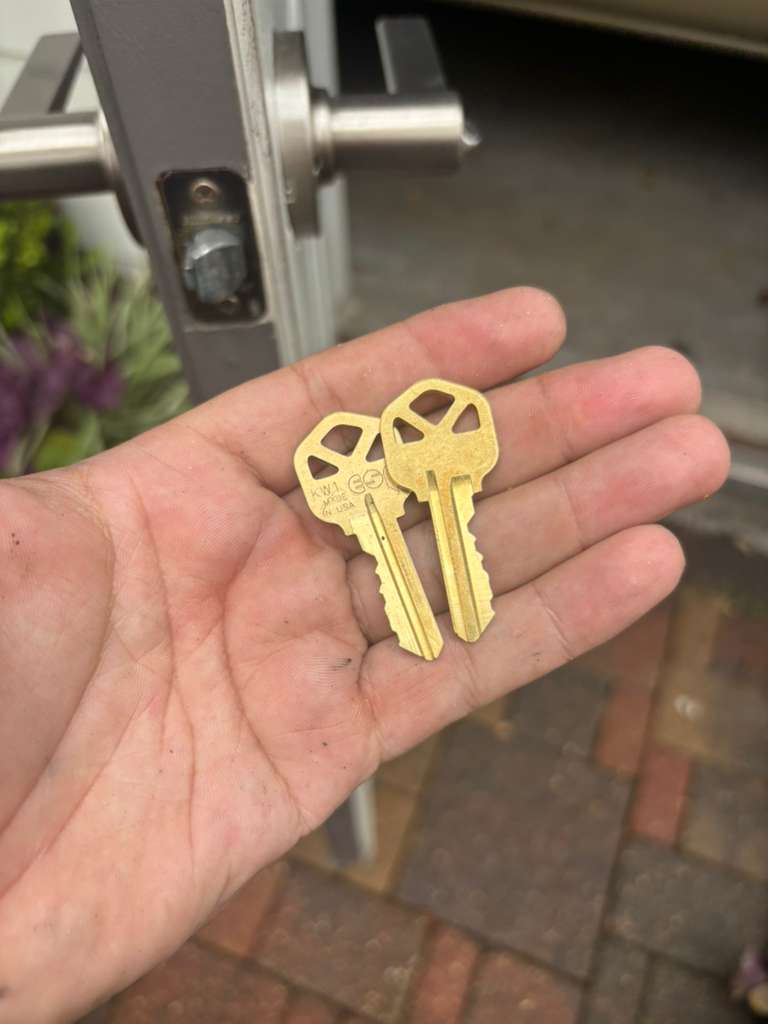
A practical spare-key plan gives regular residents access while limiting loose copies. Learn who may need a key, where backups belong, and when to rekey.
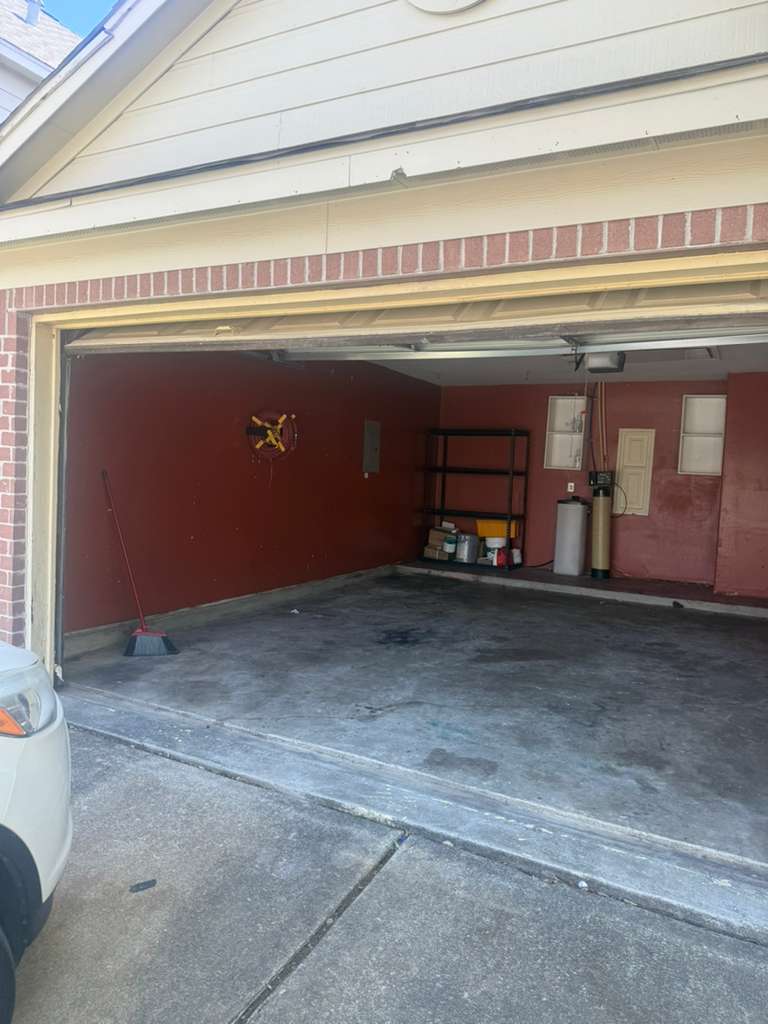
A garage entry lock may bind because the door and strike plate are out of line, the door has shifted, or dirt has built up inside the lock. Test it open and closed before you force the key.