
Automotive Locksmith
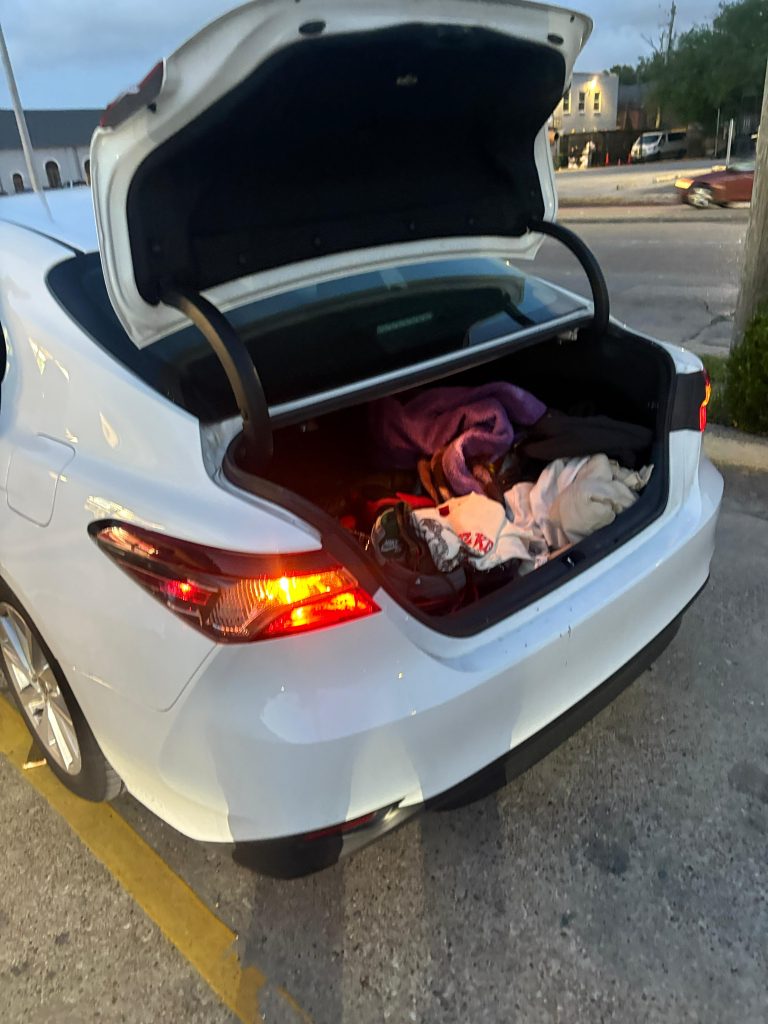
Keys Locked in the Trunk? What Drivers Should Do Next
Keys locked in the trunk can leave you stranded fast. Check safe access options first, avoid forcing entry, and choose reliable help.
License Number: B03034501

Crash bar installation in Alief helps businesses, schools, medical offices, warehouses, and multi-tenant properties provide a clear exit route through outward-swinging doors. A crash bar, also called a panic bar or exit device, lets people unlatch a door with a push across the hardware.
ASAP Locksmith installs and replaces exit hardware for properties across Alief, TX. We inspect the door, frame, handing, existing lock hardware, and how the doorway is used before fitting the right type of crash bar. No guesswork, no close enough installation. A door needs to open when people need it to.
A crash bar is a horizontal push bar mounted on the inside of an exit door. When someone presses the bar, the latch releases so the door can open quickly.
These devices are common on doors that serve larger groups of people. You may see them at.
The hardware may look simple, but the fit matters. If the bar is mounted too high, too low, out of alignment, or paired with the wrong latch, the door may stick, bind, or fail to close correctly.
Many commercial doors need more than a standard lever handle or keyed lock. Crash bar installation is often requested when a door is used as an exit, has regular public traffic, or needs controlled entry from the outside with simple exit from the inside.
A typical call might sound like this.
“We have a rear door by the loading area. It opens from the inside, but the old push bar rattles and does not latch every time.”
That is a common situation. A rear service door can take a beating from carts, deliveries, humid Houston weather, repeated use, and the occasional employee who nudges it with a shoulder while carrying boxes. Hardware works hard in these spots.
ASAP Locksmith can help with exit door hardware for.
Not every door needs the same exit device. The door construction, frame, opening direction, security needs, and daily traffic all help determine which hardware fits the opening.
Common options include.
A single rear exit door near Cook Road may need a basic rim panic bar. Double aluminum storefront doors at a shopping center near Alief Clodine Road may need vertical rod hardware or a paired-door arrangement. Different doors, different needs. That is just how the cookie crumbles.
A proper panic bar installation starts with the doorway, not with a box of hardware. The installer needs to check how the door moves, closes, latches, and lines up with the frame.
During a service visit, ASAP Locksmith may review.
The bar is then fitted to the door and connected with the needed latch or rod hardware. The door is checked through repeated opening and closing cycles. A panic bar is not a decorative handle. It has a job to do.
In many cases, yes. Existing exterior and interior exit doors can often be updated with panic hardware when the door and frame are in suitable condition.
Older doors around Alief may have been altered over time. A former office could now be a salon. A retail space could become a clinic. A storage room could become a staff exit. Previous hardware holes, mismatched strikes, worn hinges, and patched door edges can all affect the installation approach.
Sometimes the old hardware has left behind a little history. You remove a handle and find holes from three earlier locksets. That door has seen a few things.
ASAP Locksmith checks the opening before recommending the next step. In some cases, existing holes can be covered by new hardware. In other cases, door repair or compatible trim may be needed for a clean, functional installation.
A crash bar can be correctly mounted and still have trouble if the door itself is out of alignment. The latch has to meet the strike properly. If it misses, drags, or lands too high or low, the door may not latch as it should.
Door alignment problems often come from.
This comes up often at busy commercial doors near Westheimer Road, Bellaire Boulevard, and the shopping corridors around Alief. A door that opens and closes hundreds of times a week has plenty of chances to get out of line.
Before installing or replacing exit hardware, it helps to address the door movement itself. Putting a new panic bar on a sagging door is a bit like putting fresh tires on a shopping cart with a crooked wheel. It may roll, but it will not feel right.
Yes. Exit hardware is intended to allow easy exit from the inside while keeping outside entry controlled. The exterior side of the door may use trim, a keyed lever, a pull handle, access control hardware, or no exterior operation at all.
The right arrangement depends on how the door is used.
A staff-only back door may need outside entry restricted. A medical office may need employees to enter with an approved credential. A retail space may use a pull handle outside and a crash bar inside. A warehouse door may need controlled access during delivery hours.
ASAP Locksmith can review how your team, customers, vendors, and tenants use the opening. “Everyone uses that door” is useful information. So is “nobody should enter through this door after closing.”
Exit bars can wear down from regular use, impact damage, corrosion, loose mounting, or internal latch wear. Some issues can be repaired. Others point toward replacement.
Watch for signs like.
A person should not need a secret handshake to get through an exit door. If staff members have developed a special “lift it, then push it” routine, it is time to have the hardware checked.
Each doorway has its own condition and setup. Installation timing and the final operation of the exit device can be affected by the door, frame, existing hardware, and site access.
Factors that may affect the work include.
A straightforward hollow metal door may require less preparation than a worn double storefront door with old vertical rods and misaligned frames. A clear inspection helps identify what the opening needs before work begins.
Alief has a mix of commercial centers, schools, apartment communities, professional offices, churches, and industrial spaces. That means exit door needs vary from block to block.
A few familiar situations include.
Local conditions matter. Houston-area heat, humidity, rain, heavy traffic, and day-to-day wear can all show up at the door eventually.
ASAP Locksmith provides crash bar installation and exit device service throughout Alief and nearby parts of west and southwest Houston. Common service ZIP codes include 77072, 77082, 77083, 77099, 77036, 77042, and 77063.
If your property sits near the Alief area but uses a nearby Houston ZIP code, the door location and type of service can be reviewed when you contact us.
ASAP Locksmith serves Alief businesses and property operators with practical locksmith support for exit doors, panic bars, locks, and commercial hardware. Learn more About Us. We focus on how the door works in real daily use, not just how the hardware looks after it is mounted.
That means checking the little things that become big annoyances later. Does the latch meet the strike? Does the closer pull too hard? Does the outside trim match how employees enter? Does the double-door setup need a different exit device?
Those details matter when the building is open, the staff is busy, and nobody has time to wrestle a door.
Need a new panic bar, a replacement exit device, or help with a commercial exit door in Alief, Texas? Contact Us to discuss your door and hardware needs.
A crash bar is a door device that lets people open an exit door by pushing a horizontal bar. It is commonly used on commercial doors, schools, offices, warehouses, and other buildings where people may need to leave quickly.
Warning signs include a bar that sticks, requires too much force, does not latch properly, or makes unusual noises. A damaged or loose device can make the door harder to use during an emergency.
In many cases, yes. The door type, frame, hardware, and whether the door is fire rated should be checked first to make sure the proper crash bar can be fitted safely.
Crash bars can often be installed on metal, aluminum, wood, and some glass storefront doors. The best style depends on the door’s size, use, swing direction, and existing locking hardware.
A properly selected crash bar allows fast exit from the inside while helping keep the door secured from the outside. Extra hardware such as exterior trims, keyed access, alarms, or access control may be used based on your security needs.
Clear access around the door and let staff know the entrance or exit may be temporarily unavailable. It also helps to identify how the door is used, who needs outside access, and whether the door must meet specific building or fire safety requirements.
Some problems can be repaired, such as loose parts, worn latches, misalignment, or damaged strikes. If the bar is severely bent, outdated, or no longer works reliably, replacement may be the safer option.
Exit hardware should be tested regularly to make sure the door opens easily and latches when closed. Cleaning, tightening hardware, and correcting door alignment can help prevent unexpected failures.
Requirements can vary based on the building type, occupancy, fire rating, and local code enforcement. A professional installer can review the door setup and help you choose hardware suited for a safe exit path.
ASAP Locksmith can assess how the crash bar needs to work with existing security hardware. The setup should still allow people to exit quickly from inside while keeping the door’s access and alarm functions working as intended.
Keys locked in the trunk can leave you stranded fast. Check safe access options first, avoid forcing entry, and choose reliable help.
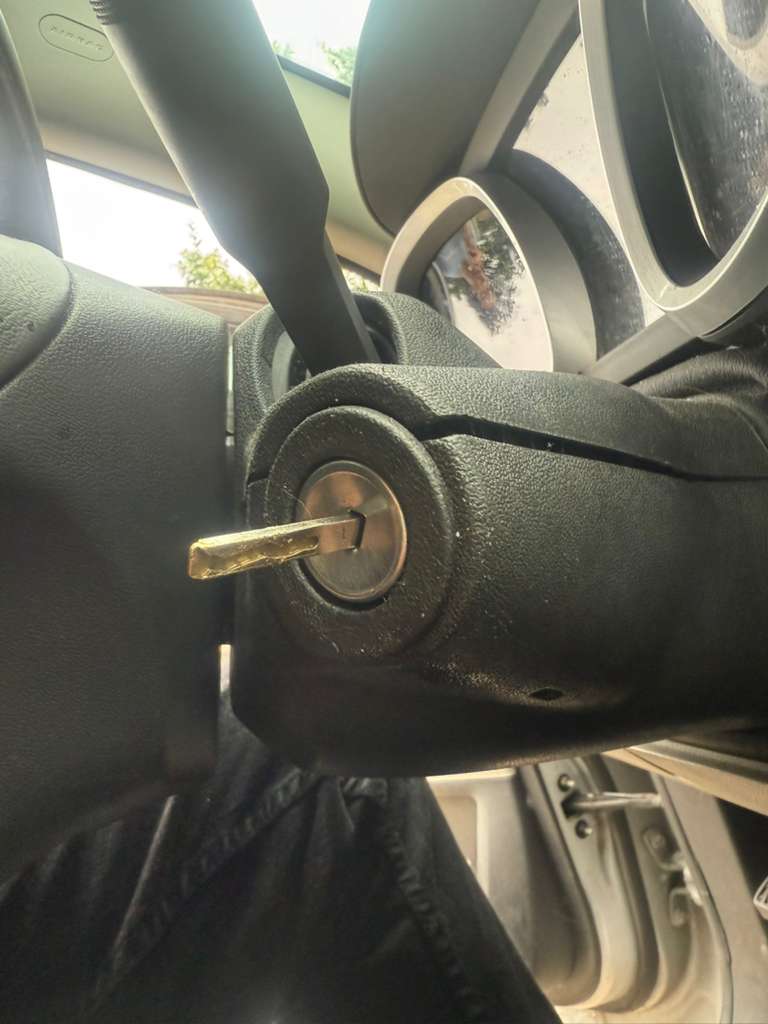
A key won’t turn in ignition can come from a locked steering wheel, a worn key, a shifter issue, or a failing ignition cylinder. Avoid force, make a few safe checks, and get help before the key or ignition breaks.

A copied metal key may open a door but still fail to start a modern car. Learn when a replacement needs cutting, programming, or both.