
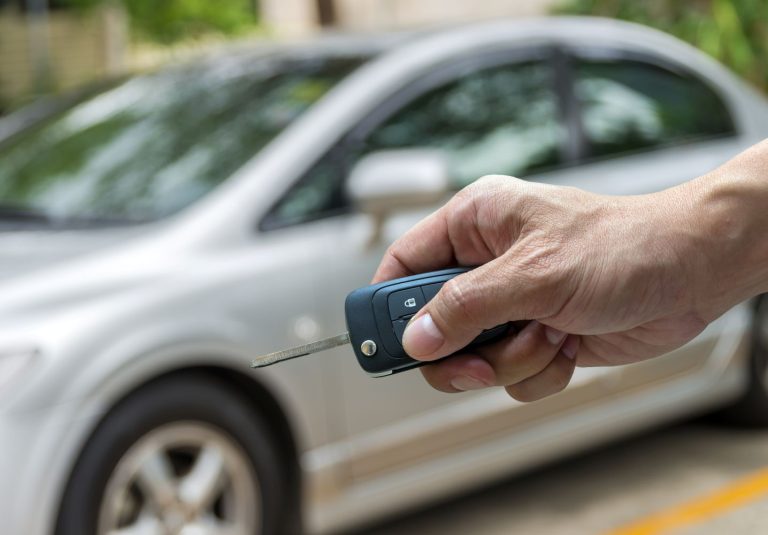
Automotive Locksmith
Can a locksmith make a car key without the original?
Yes, a locksmith can often make a car key without the original. It depends on
License Number: B03034501

Crash Bar Installation in Angleton helps businesses, public buildings, and multi-unit properties set up exit doors that people can open quickly from the inside. A crash bar, also called a panic bar or push bar, lets occupants press the bar and exit without turning a knob or searching for a key.
ASAP Locksmith provides crash bar installation for Angleton properties that need new exit hardware, replacement hardware, door adjustments, or inspection of an existing panic bar setup. Expect a practical review of the door, frame, hinges, hardware, and daily traffic before work begins. No one wants an exit door that acts stubborn at the worst possible moment.
A crash bar is horizontal door hardware mounted across an exit door. When pushed, it releases the latch so the door opens outward. This hardware is common on doors used by staff, customers, students, visitors, and tenants.
Crash bars are often installed on
A panic bar can look simple, but it works with several door components. The latch, strike plate, hinges, closer, frame, and door alignment all play a part. If one piece is off, the door may stick, scrape, fail to latch, or resist opening.
Any property with an occupied commercial or public-facing space may need exit hardware that works quickly from the inside. Angleton businesses often have a mix of front entrances, employee entrances, loading doors, and rear exits. Each door has a different job.
A small office near North Chenango Street may need a panic bar on a rear exit used by employees. A restaurant off East Mulberry Street may need an exit device that works around kitchen traffic. A warehouse close to SH 35 may have exterior metal doors that need heavy-duty push bar hardware.
Property owners also call ASAP Locksmith when an older crash bar has become hard to push or no longer latches consistently. “It opens, but only if you shoulder it a little,” is not the kind of sentence an exit door should inspire.

Every door needs to be checked before hardware is selected or installed. Door material, handing, swing direction, existing locks, and traffic patterns matter.
A typical crash bar installation visit may include
Some doors require more than a basic rim-style panic bar. Double doors, aluminum storefront doors, and doors with glass panels may need different hardware choices. A fire-rated opening may also have specific hardware requirements that need careful attention.
Crash bar hardware comes in several forms. The right choice depends on the door construction and how the doorway is used.
Rim exit devices mount on the inside face of the door. They are common on single exterior doors with a latch that connects to a strike on the frame. Many retail and office exits in Angleton use this setup.
Vertical rod hardware uses rods that secure at the top and bottom of the opening. This option is often used on pairs of doors. Concealed rod systems hide much of the hardware inside the door, while surface vertical rod systems remain visible.
Mortise exit devices use a latch built into a pocket cut within the door edge. These can be found on certain commercial doors and may be used where a more integrated lock setup is needed.
An alarmed crash bar can sound when someone opens a protected exit. This may fit a stockroom exit, restricted hallway door, or door that needs to remain available for emergency egress but monitored during normal activity.
Some properties use exit hardware with access control systems features. Staff may enter with a credential, keypad, or other approved method while people inside can still exit by pushing the bar. This setup is common in offices, clinics, schools, and controlled-access commercial spaces.
In many cases, yes. Existing doors at Angleton properties can often be updated with panic hardware if the door and frame are in serviceable condition. The details matter.
A hollow metal rear door may be a straightforward candidate. An older wood door, warped metal door, or aluminum glass storefront door may need more evaluation. If the door drags across the threshold or the frame has shifted, installing a new bar alone may not fix the underlying problem.
ASAP Locksmith looks at the whole opening, not just the missing hardware. Sometimes the door closer needs adjustment. Sometimes hinges are worn. Sometimes the strike plate is sitting just a little too far off. A small misalignment can turn a simple push into a wrestling match.
A crash bar gets used often, especially on employee exits and public doors. Normal wear, weather exposure, and door movement can cause issues over time.
Common panic bar concerns include
Angleton weather can be hard on exterior hardware. Heat, moisture, wind-driven rain, and frequent door use can all affect alignment. A door near a loading area may also take more bumps from carts, deliveries, and equipment than a front-office door.
The crash bar releases a latch, but the latch still needs to line up with its strike. If a door sags on hinges, the latch may hit the frame instead of entering the strike opening. If a closer pulls too hard or too slowly, the door may not close as intended.
Think of it like trying to buckle a seat belt while sitting sideways. The pieces are there, but they do not meet cleanly.
Door alignment checks can include
A properly fitted crash bar works better when the rest of the door is doing its job.
Crash bars are most common on commercial, institutional, and public-use doors. They are not typical for a standard single-family home entry door. Still, some residential-style properties may have situations where exit hardware is useful.
Examples can include
For commercial work, the question is often not just “Can a panic bar fit?” It is also “How is this door used every day?” A busy rear door at a restaurant needs different consideration than a seldom-used emergency exit in a small office.
A little information helps move the process along. You do not need to know every hardware term. Clear photos and a basic description can be useful.
Before arranging crash bar service, note
If you manage several properties around Angleton, label the doors before the visit. “Back left door by the dumpster” can become confusing fast when there are three back doors and two dumpsters.
Some commercial doors need controlled entry from the outside and free exit from the inside. That is where access control and exit devices can work together.
A staff-only door may have a keypad, credential reader, exterior lever trim, or electric locking setup on the outside. From inside, occupants can use the push bar to leave. The exact arrangement depends on the door, hardware, building use, and existing security system.
ASAP Locksmith can inspect the current lock and exit hardware arrangement before recommending a practical path for the opening. Older systems sometimes have added components from different eras. A keypad from one project, a closer from another, and a panic bar that has seen better days can create a real mixed bag.
Every crash bar installation in Angleton is tied to the condition of the door opening and the hardware involved. Some work is straightforward. Other jobs need added adjustment or repair before the panic bar can operate properly.
Factors that can affect the work include
A door that has been hit by carts, exposed to rain, or forced open in the past may need extra attention. The goal is to identify these issues early rather than bolt new hardware onto a door that is already out of line.
ASAP Locksmith serves Angleton, TX, and nearby communities for commercial door hardware and exit device needs. Service areas may include properties near Highway 288, SH 35, FM 523, County Road 44, and the business areas around the courthouse square.
Common ZIP codes in and around the Angleton service area include 77515, 77516, 77531, 77541, 77566, 77583, 77584, and 77422. If your property is nearby but uses a different ZIP code, contact ASAP Locksmith with the door location and service details.
ASAP Locksmith handles practical door and lock concerns for properties that need usable exit hardware. We understand that a crash bar is not just another metal piece on the door. It affects how people leave the building, how the door latches, and how staff use the space day to day.
Whether you have a newly leased office, a restaurant back door, a warehouse exit, or a worn panic bar at a community building, we can review the opening and discuss the condition of the hardware. Clear communication matters. So does testing the door after adjustments. Learn more About Us.
For Crash Bar Installation in Angleton, contact ASAP Locksmith to discuss your exit door, panic bar, or commercial hardware needs.
Call (832) 404-0102 or visit Contact Us online to request service.
A crash bar is a push bar that lets people open an exit door quickly during an emergency. It is commonly used on schools, offices, stores, warehouses, and other public buildings. The right hardware can help support safe evacuation and meet applicable building requirements.
You may need one if an exit door has a knob, deadbolt, or other hardware that slows people down when leaving. Doors used by customers, employees, or large groups may require panic exit hardware depending on the building use and local code. A locksmith can inspect the door and recommend an appropriate option.
A bar that sticks, rattles, requires extra force, or does not latch securely should be checked. Visible damage, loose mounting screws, bent parts, and doors that fail to close properly can also create safety concerns. Repair may be possible in some cases, but heavily worn hardware may need replacement.
Yes, many crash bars are designed for aluminum, hollow metal, wood, and certain glass storefront doors. The installer must match the hardware to the door material, frame, lock style, and exit needs. Proper fitting is important so the door opens smoothly and latches when closed.
The technician measures the door, checks the frame and existing hardware, and selects compatible panic hardware. The bar, latch, strike, and any needed trims are installed and adjusted. The door is then tested to make sure it opens from the inside and closes securely.
Clear boxes, furniture, and other items away from both sides of the door so the work area is accessible. Let the installer know about any door issues, access control systems, alarms, or special locking needs beforehand. If possible, have someone available who can approve hardware choices for the building.
It can often be paired with exterior keyed entry, card access, electric strikes, or other controlled entry systems. However, the inside exit side must still allow people to leave safely without needing a key or special knowledge. ASAP Locksmith can help determine which hardware setup fits the door and intended use.
This problem can be caused by a misaligned strike plate, sagging door, worn latch, damaged closer, or frame movement. Weather and heavy daily use can also affect alignment over time. A repair visit can identify whether the issue is with the crash bar itself or another part of the door system.
Exit hardware should be checked regularly, especially on busy doors in retail spaces, schools, and workplaces. Test that the bar releases the latch easily, the door closes fully, and no screws or parts are loose. Cleaning debris from the latch area and addressing problems early can help prevent failure.
Requirements can vary based on the type of building, occupancy, door location, and whether the door is part of a required exit path. Fire and building officials may have specific rules for panic hardware, signage, locking, and door swing. ASAP Locksmith can install appropriate hardware, while property owners should confirm any local permit or inspection requirements for their project.
Yes, a locksmith can often make a car key without the original. It depends on

Rekeying cost usually depends on how many lock cylinders need work, what kind of locks

Truck keys come in three common types, a key fob, a flip key, and a