Most car lockouts take about 10 to 30 minutes once a locksmith is next to your car. The full wait can be longer or shorter based on time of day, where you are, your car’s lock system, and how ready you are with details. Think of it like ordering tacos, the food is fast once you reach the counter, but the line can change everything.

The timeline, from “Uh oh” to “Back in the driver seat”
A car lockout has two clocks running.
Clock 1 is travel time. That is how long it takes the locksmith to reach you. Traffic, distance, and time of day run this part. If you need help right away, an Emergency locksmith can help you get moving again.
Clock 2 is entry time. That is how long it takes to unlock the car once the tech is there. The car year, make, model, and the lock type run this part. For vehicle-specific help, you can also review Car lockout service details.
Most people only think about Clock 2. Then they sit there staring at their door handle like it might change its mind.
Typical car lockout time by situation
Below are common lockout situations and the usual time it takes once the locksmith is on scene. These are not promises, just real-world ranges.
| Situation | What’s happening | Typical time once on scene |
|---|---|---|
| Keys locked inside, car is unlocked otherwise | Key is visible on seat or console | 5 to 15 minutes |
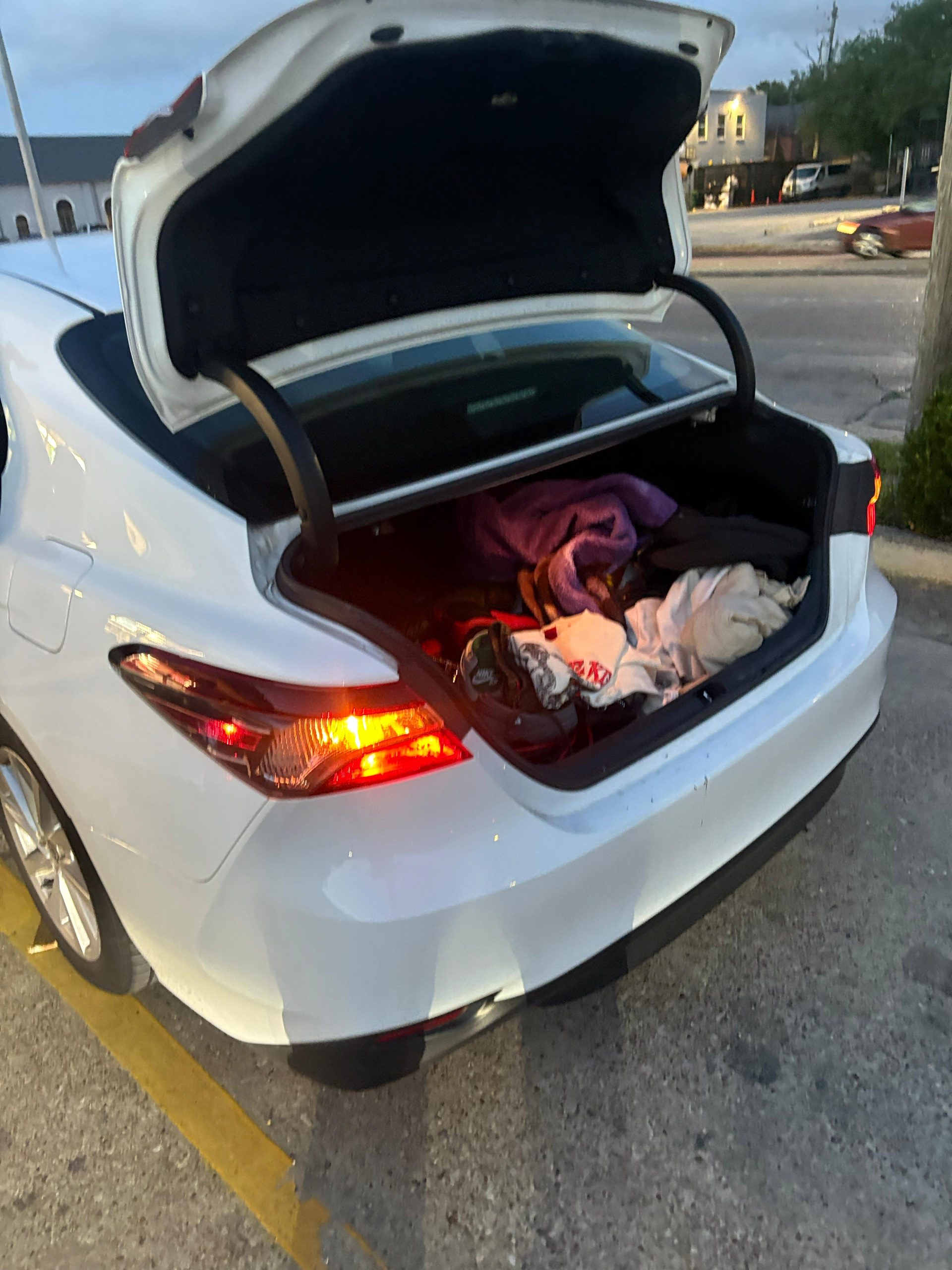
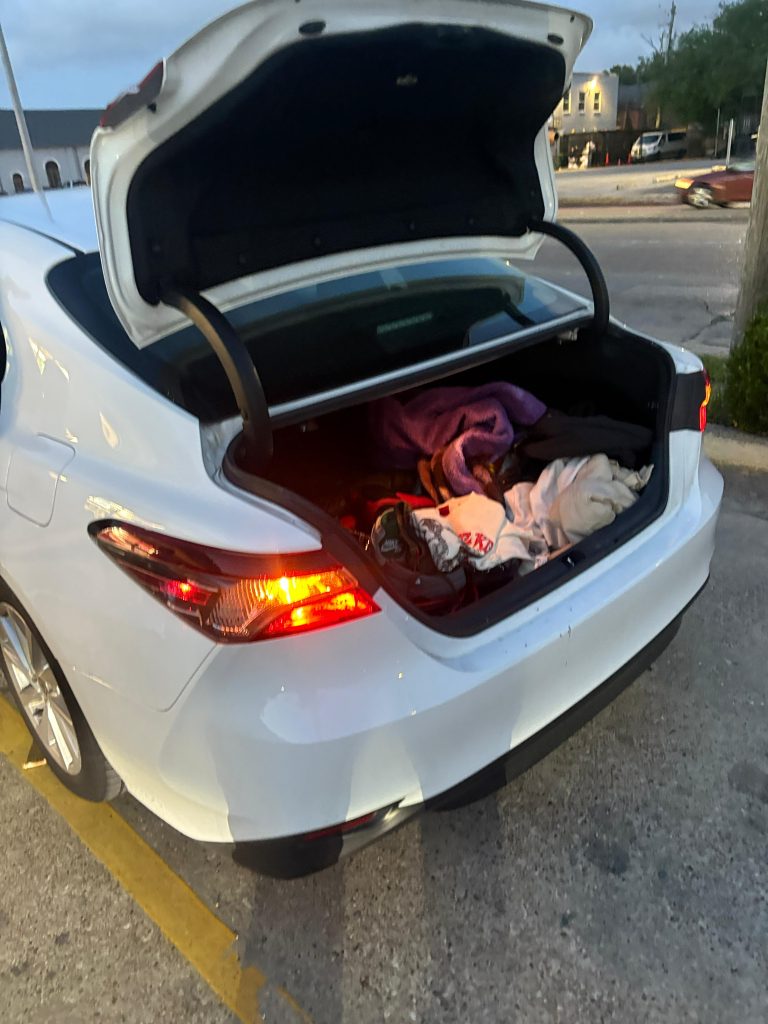
| Keys locked in trunk | Trunk release may be inside, or trunk is fully locked | 10 to 30 minutes |
| Key fob locked inside, car “smart locks” | Some cars re-lock fast or block entry tools | 10 to 30 minutes |
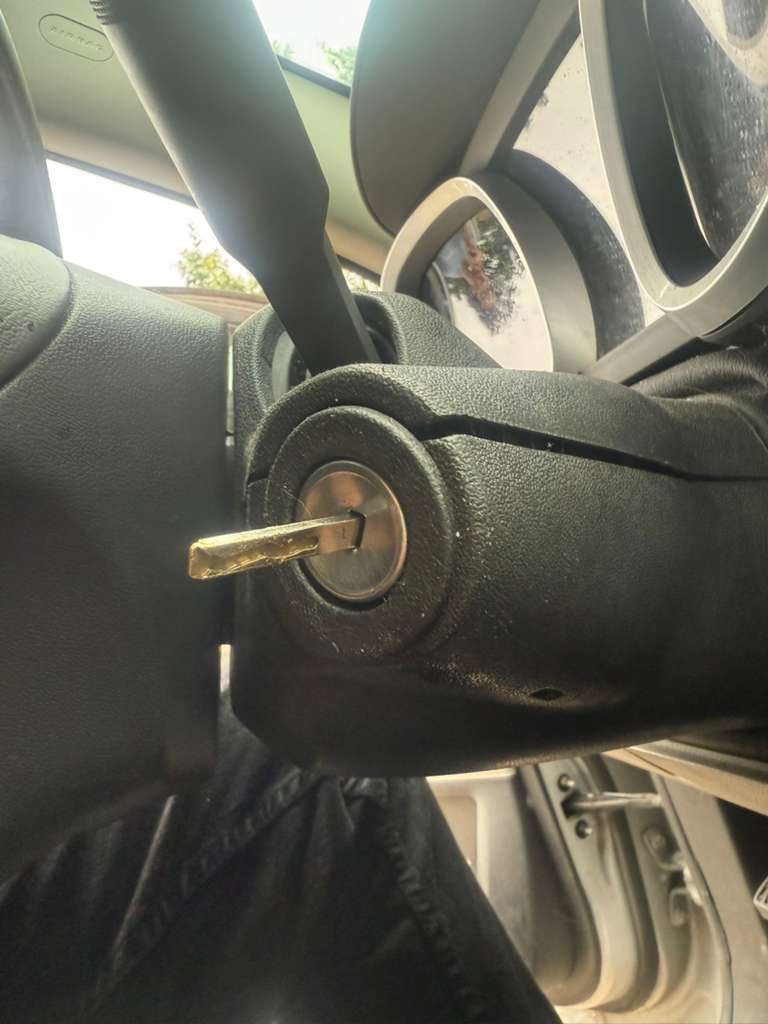
| Key broken in door lock | Piece must be removed first | 15 to 45 minutes |
| Dead key fob or dead car battery | Car may not respond to buttons, alarms may act up | 10 to 30 minutes |
| Older car with simple manual locks | Straightforward entry | 5 to 15 minutes |
| Newer car with higher security | More care needed to avoid damage | 15 to 45 minutes |
A quick note, a careful unlock beats a rushed one. Nobody wants a bent door frame just to save three minutes.
Typical wait by time of day in Houston
Houston time can feel like a rubber band. At 2:00 PM, it stretches. At 2:00 AM, it snaps back.
Here is what tends to happen with wait times for arrival, not the unlocking time. If you need assistance, you can start with Car locksmith support.
Early morning, 5 AM to 9 AM
Commutes start. School runs start. Work trucks roll out.
What you may see: Moderate waits, depending on where you are.
Midday, 10 AM to 3 PM
This can be a sweet spot. Traffic is often lighter than rush hour.
What you may see: Faster arrival in many areas.
Evening rush, 3 PM to 7 PM
Houston traffic can turn a short drive into a long story you tell later.
What you may see: Longer waits, especially near major corridors like I-10 and 610.
Late night, 8 PM to 4 AM
Roads may be clearer, but fewer techs may be out at once.
What you may see: It can be fast or slower, depending on demand.
Location matters more than you think
Where you lock out can speed things up or slow things down.
Easy locations
- Your driveway or an open apartment lot
- A big store lot with good lighting
- Street parking with wide shoulders
These spots let the locksmith park close, work safely, and finish faster.
Slower locations
- Tight parking garages downtown
- Towing zones where stopping is hard
- Busy shoulders near fast traffic
- Gated communities where entry takes time
If you are near The Galleria area and stuck in a packed garage, it may take longer just to reach your car. If you are parked off Westheimer in a tight spot, getting close enough to work can be its own puzzle.
Car type and lock system, the “simple latch” vs “smart brain” problem
Cars are not all built the same, and locks are not all polite.
Older vehicles
Many older cars have simpler lock setups. That often means faster entry. The work can be direct.
Newer vehicles
Newer cars can have:
- Tight door seals
- Side airbags in the door area
- Security settings that trigger alarms
- Smart keys and anti-theft features
That does not mean the job cannot be done. It means the tech may take extra care and use the right tools and angles. Slow hands can be the safe hands.
What speeds up a car lockout in real life
If you want the “green lights all the way home” version of a lockout, focus on these.
Give clear info when you call
Have these ready:
- Year, make, and model
- Your exact location, plus a nearby landmark
- What happened, keys inside, keys lost, broken key, trunk only
- Any special facts, like a dead fob battery
Clear details can help the locksmith show up with the right tools. If you also need a new key, Car key replacement can be an option depending on your situation.
Stand where you can guide the tech in
If you are at an apartment complex, meet at the entrance. If you are at a business plaza, tell them what side you are on.
Keep your phone charged
This sounds small. It is huge. A dead phone turns a simple meet-up into hide-and-seek.
Have proof the car is yours
A quick ID check can keep things smooth. If your wallet is in the car, say that early. There are still ways to confirm ownership, but it may take a bit longer.
What slows it down, even when everyone is trying
Some delays are just part of the deal.
Heavy traffic and road work
Houston road work is like a surprise pop quiz. It can appear anytime.
Bad location access
Parking garages, gated entries, and tight spots can add minutes.
Security features that need extra care
Rushing can cause damage. A careful unlock may take longer but saves your door and weather seals.
Missing details
If the locksmith arrives and the car is not the model you said, it can slow things down. Tools and steps can change by car.
Quick “If this, then that” troubleshooting steps
Use this list while you wait, and to decide your next move.
- If your keys are visible inside, then check every door, sometimes one door is not fully latched.
- If the trunk is the only issue, then look for a trunk release near the driver seat, only if you can safely reach it.
- If your key fob will not work, then try the hidden mechanical key inside the fob, many fobs have one.
- If your car is running, then stay near it and keep an eye on safety, running cars can attract trouble.
- If a child or pet is inside, then call 911 right away, then call a locksmith, safety comes first.
- If you are on a highway shoulder, then move to a safer spot away from traffic and turn on hazard lights.
- If it is pouring rain, then get under cover if you can, but stay where the locksmith can still find you.
A short Houston reality check
What we usually see in Houston, TX:
- Lockouts at gas stations off I-45, where people hop out fast and the door clicks shut.
- Lockouts in apartment lots in areas like Midtown, where key fobs slip out during a grocery run.
- Lockouts after a workout, when sweat and pockets do not mix and keys slide out like a bar of soap.
It happens to careful people too. You are not the first, and you will not be the last.
Weather in Houston, and why it changes the situation
Weather does not just mess with hair. It can mess with locks, seals, and electronics.
Heat
Houston heat can make door seals softer and stickier. That can slightly change how tools fit. Phones can overheat too, and that makes it harder to stay in touch.
Tip: If you can, park in shade while you wait, but stay visible to the locksmith.
Humidity
Humidity can cause small issues over time, like sticky lock parts or corrosion in older locks. It is not the main cause of lockouts, but it can make some locks feel rough.
Heavy rain
Rain lowers visibility and makes parking and working conditions harder. It can slow arrival times and slow the work a bit. Wet hands and tight tools are not best friends.
Safety note: Watch for slick pavement in lots and garages.
Cold snaps
Houston does get cold snaps. Cold can make rubber seals stiff. That can make the door harder to work with for a careful entry.
Myths and facts that can save you time and stress
Myth: “A coat hanger will fix it fast.”
Fact: It can bend weather stripping, scratch paint, or hit wiring. It often ends in “now my door leaks when it rains.”
Myth: “New cars cannot be unlocked without breaking something.”
Fact: Skilled entry methods exist. The tech may take longer to keep things safe.
Myth: “If the key is in the trunk, the cabin unlock will open it.”
Fact: Many trunks stay locked even if the cabin opens.
Myth: “If I keep hitting unlock, it will work.”
Fact: If the fob battery is dead or the car battery is weak, pressing harder will not help. Buttons are not vending machines.
Ways to prevent the next lockout, without turning life into a checklist
You do not need a big system. Small habits work.
Simple weekly plan
- Put your spare key or spare fob in a known spot at home.
- Check your key ring, is it cracked, loose, or about to snap?
Simple monthly plan
- Test your spare key or spare fob, do it before you need it.
- Wipe your key fob and check the battery cover, if it is loose, fix it.
Simple yearly plan
- Replace the key fob battery if it seems weak, or if range drops.
- If your door lock feels sticky, get it checked. Small issues can turn into big delays later.
Think of it like checking tire pressure. You do not do it for fun. You do it so your day does not get wrecked.
What to expect when the locksmith arrives
People sometimes ask, “What happens next?” Here is the basic play-by-play.
- 1. The locksmith confirms the car and location.
- 2. They may ask for ID or proof of ownership.
- 3. They choose an entry method that fits your vehicle.
- 4. They unlock the door with care.
- 5. You check that everything works, locks, windows, and door seals.
If you feel stressed, say so. A good tech will keep it calm. It is a lockout, not a hostage talk.
Safety notes that matter, without the scare stuff
- If you are in a dark lot, stand in a lit area and stay aware of your surroundings.
- If you are on a busy road, stay away from traffic lanes.
- If a child or pet is trapped, call 911 first.
For more official roadway safety guidance while waiting near traffic, you can review NHTSA road safety.
FAQs
How long does a car lockout take in Houston, TX?
Many lockouts take about 10 to 30 minutes once the locksmith is next to the car. Arrival time depends on traffic, distance, and time of day.
What is the fastest type of car lockout to fix?
Keys locked in the car on many older or mid-age vehicles can be quick, often 5 to 15 minutes once on scene, if conditions are easy.
What is the slowest type of lockout?
A broken key in a lock, trunk-only lockouts, and some newer high-security vehicles can take longer because extra steps are needed. If a key breaks, Car key extraction may be needed before entry or repair is complete.
Will unlocking my car damage the door?
A trained locksmith aims to avoid damage. Quick DIY attempts can cause more harm than the lockout itself.
Can rain or heat slow down a car lockout?
Yes. Heavy rain can slow travel and working speed. Heat and humidity can affect seals and comfort, which can affect pace.
What info should I give on the phone to speed things up?
Share your year, make, model, exact location, and what happened. Also mention if the car is running, or if the key is in the trunk.
What if my wallet and ID are locked in the car?
Tell the locksmith right away. There may be other ways to confirm the car is yours, but it can add time, so clear communication helps.
Can you help if my key fob battery is dead?
Often yes. Many fobs have a hidden key, and locksmith entry can still be possible even if buttons do not work. If you need programming help after entry, Transponder and Key FOB programming may apply depending on your vehicle.
Locked out in Houston, TX and want help fast and stress-free, call ASAP Locksmith at (832) 404-0102 or visit https://www.asap-locksmith-pros.com to get back in your car without the hassle. You can also use Contact Us to request service.