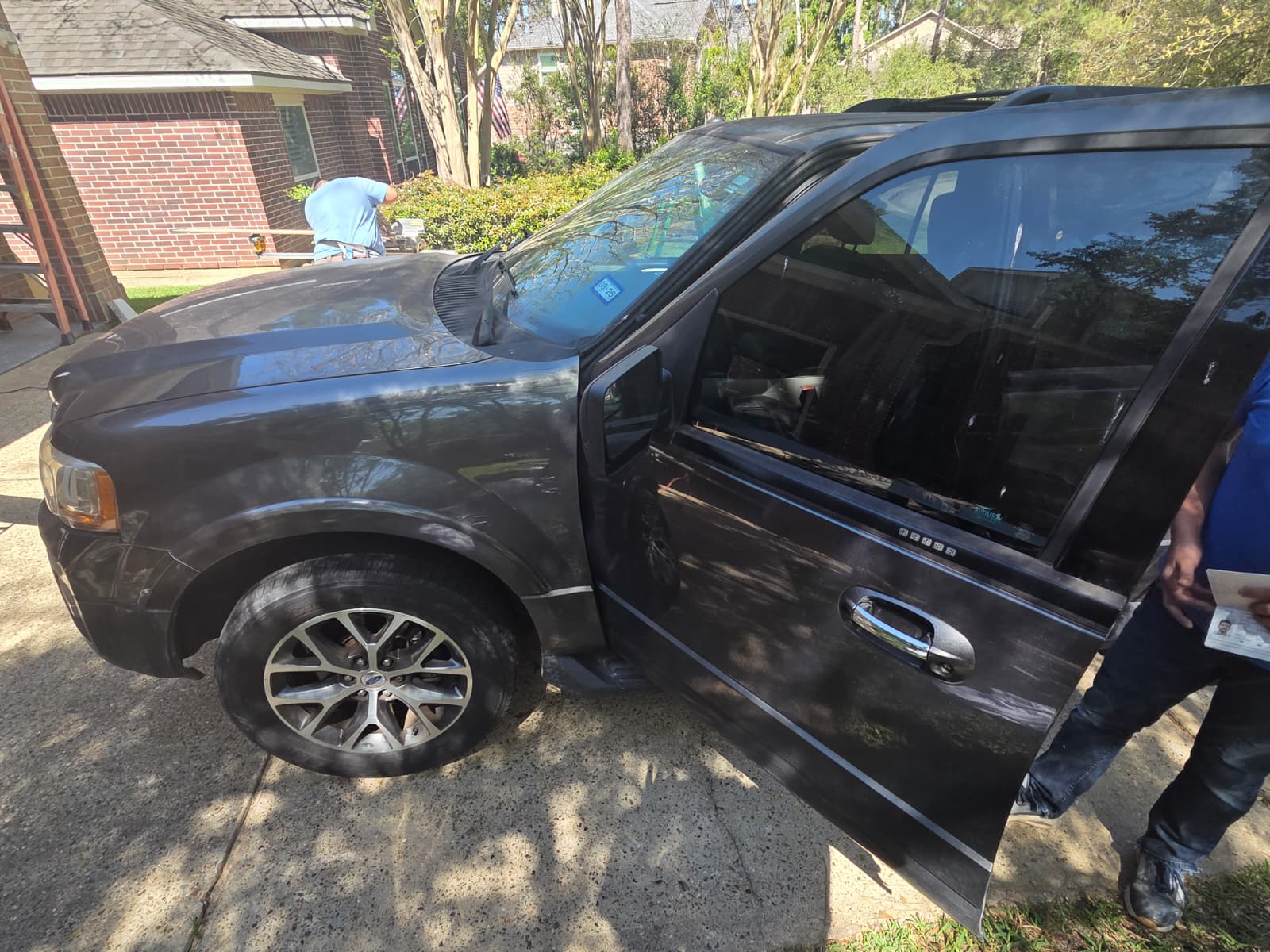
Locked out of your car? Try the fast wins first. Walk around and test every door and the trunk. Press unlock more than once. Try the car app if you have it. Pull the trunk release from inside if a seat is folded down. Check for a spare key at home or with family. Try the hidden key blade in your fob. These quick moves often fix the problem in seconds.
Why quick checks work more than you think
Lots of car lockouts are simple. One door did not lock right. The key fob battery went weak. The trunk still opens while the doors stay locked. The app wakes up the car when the fob will not. You might be one small step away from getting back in. Before you call for help, run through the list. It saves time. It saves stress. It might save your evening plans.

Check every door and the trunk
Start old school. Pull each handle. Driver side. Passenger side. Back doors. Many cars have a door that did not latch all the way. That door might unlock while the others hold tight.
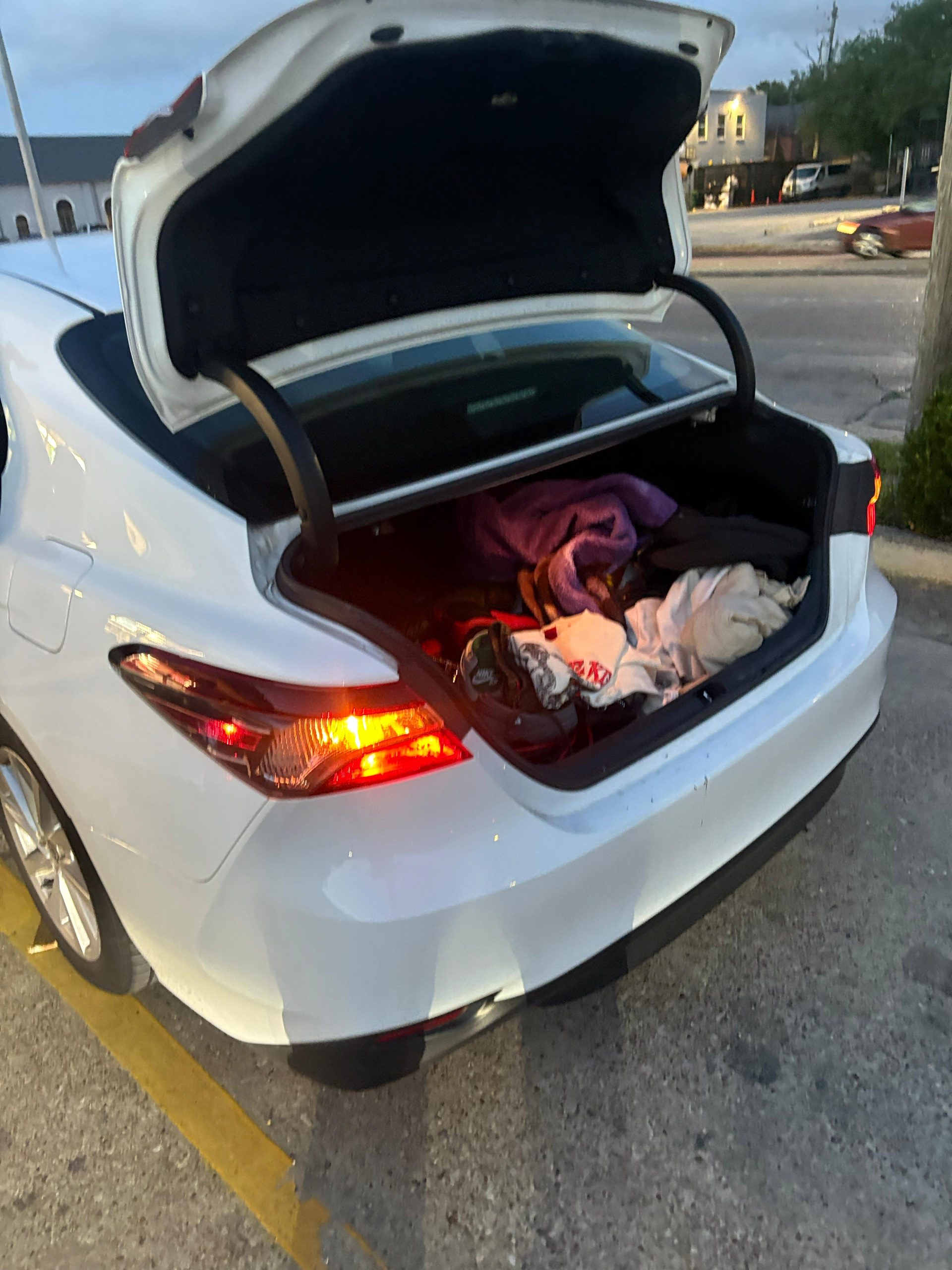
Now try the trunk or hatch. Some cars allow the trunk to open when all doors stay locked. If it opens, look for a manual trunk release to fold the back seat. Then you can reach the cabin and pop a door. Keep it simple and safe. Watch for sharp edges and keep tools away from airbags.
Try the car app or built-in service
Got a car app on your phone? Open it and tap unlock. Some apps need the car to wake up. Stand near the car for a moment. Give the app a second try. If you use OnStar, Blue Link, FordPass, or similar, they often unlock cars fast. Even if your key fob is acting up, the app often gets through.
No app? Some brands have a phone number on the window sticker or on the owner site. You can ask for a remote unlock after a quick check of your info.
Your key fob might be the issue
Fobs work hard. Houston heat can cook the little battery inside like an egg on a hood. A weak battery may still lock the car, but not unlock it. Try this:
- Press unlock two or three times.
- Stand close to the driver door and hold the fob high.
- Touch the fob to the handle or the glass near the sensor.
Push to start cars often have a backup spot for a dead fob. Check the owner manual for the spot near the steering column or cup holder. Hold the fob there and press start. Once the car starts, many cars unlock. If the manual is locked inside, try a quick web search for your model and the phrase fob backup spot on your phone.
Find the hidden key blade
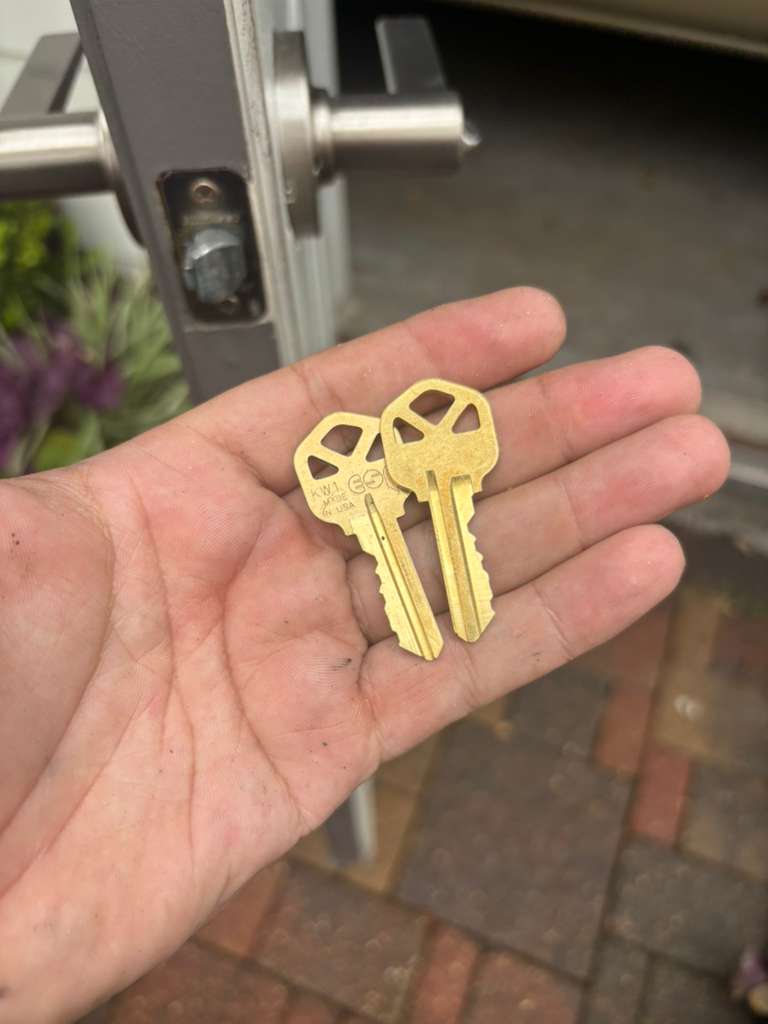
Most fobs hide a small metal key blade. Look for a slide button on the fob edge. Pull the blade out. On many cars, the driver door handle has a cap. You can lift that cap and find a keyhole. It may be sneaky, but it is there. Use a coin or your fingernail at the notch and lift gently, then use the blade to unlock.
Spare key plans that win the day
Think about where your spare is right now. At home on the counter? With your spouse in Montrose? With a neighbor by the Galleria area? A quick call could beat any other fix. If someone can bring it, that is often the fastest path. A simple hide-a-key in your wallet or a small safe box in the garage can rescue you next time. Keep it smart. Do not hide keys outside the car.
Steering wheel and door jam tricks
If the wheel is turned hard when you shut off the car, the wheel lock can bind the key cylinder. That makes the key feel stuck or the fob not read well. Try this:
- Pull the steering wheel left and right while you turn the key or press start.
- Be gentle. No need to wrestle the car like a rodeo bull.
Door frozen or sticky from rain or grime? Houston storms can swell seals. Try a firm, even pull on the handle while you tap unlock. Wipe the gasket with a cloth if you can reach it. Do not pry with tools. You can hurt paint and sensors fast.
What we usually see in Houston, TX
- Many lockouts on Westheimer after quick coffee stops because smart keys stayed in the cup holder.
- Key fob batteries wearing out faster in the summer heat on I-45 commutes and Beltway 8 parking lots.
- Trunks that still open on SUVs by the Medical Center while doors stay locked, which gives a fast way in.
Weather and your locks
Heat and humidity can trick your locks. Rubber seals swell. Metal parts expand. Batteries drain faster. Sudden rain can fog sensors and door handles. In cooler snaps, door locks can stiffen. Keep things clean and dry. A quick wipe and a little silicone spray on door seals can help doors close and open better. Do not spray inside the keyway unless the manual says it is safe for your model.
Safety notes to keep you and your ride safe
- Stuck in traffic on the shoulder near the Katy Freeway? Stay clear of the lane while you test doors.
- Keys locked in the car with a child or pet inside? Call 911 first. Then call a locksmith.
- Avoid wire hangers or screwdrivers. They can set off airbags or damage a sensor. Repairs take longer than a lockout.
Quick checks that save you time
- Try unlock from the driver door, then the passenger door.
- Try the trunk or hatch. Look for a manual release inside.
- Use the car app or call the maker support line.
- Try the fob close to the handle, then to the start button.
- Pull out the hidden key blade in the fob and look for the key slot.
- Wiggle the wheel while turning the key or pressing start.
- Call someone who has your spare.
Little dialogue to make it real
Me: Try the passenger door.
You: No way that will work.
Me: Give it a pull.
You: Whoa, it opened. I owe that door a high five.
Troubleshooting steps in plain If X, then Y
- If the fob light looks dim or no blink, then replace the coin battery and try again.
- If the doors will not unlock but the trunk opens, then crawl through and pull the inside door handle or the manual lock.
- If the car app says offline, then stand near the car for a minute, refresh the app, then try unlock again.
- If the key turns partway but stops, then turn the wheel gently left and right, then turn the key again.
- If you hear clicks but no unlock, then press unlock twice, wait three seconds, and try again.
- If only one door opens, then use that door, sit inside, and press unlock for the other doors.
- If none of the doors open and no key slot is visible, then look under the handle cap for a hidden key hole.
- If the alarm starts when you get in, then put the key in the ignition or press start right away to calm it.
Common myths and facts
- Myth: A coat hanger works fine on any car. Fact: Many newer cars have side airbags and tight seals. Hangers can do real harm.
- Myth: The dealership is the only place that can help. Fact: A skilled auto locksmith unlocks most cars on site and makes keys for many models.
- Myth: Spraying oil in the key hole always helps. Fact: Some oils gum up modern locks. Use the right spray or ask a pro first.
- Myth: If the fob battery dies, you are stranded. Fact: Most cars have a backup fob spot or manual key access that still works.
Clean and care for fewer lockouts
Weekly
- Empty pockets and bag of loose stuff so your key has a safe spot.
- Check the fob buttons for stuck crumbs. Wipe with a dry cloth.
Monthly
- Check the fob battery strength with a simple tester or just replace it twice a year.
- Clean door seals with mild soap and water. Wipe dry.
- Check the key blade. If it is bent or worn, fix it before it breaks.
Yearly
- Inspect the spare key. Make sure it still starts the car.
- Update your car app and reset the password if needed.
- Put the locksmith number in your phone. Save it under Auto Help so you can find it fast.
When to call a locksmith, the dealer, or roadside help
Call a locksmith when:
- Keys are locked inside and no door or trunk will open.
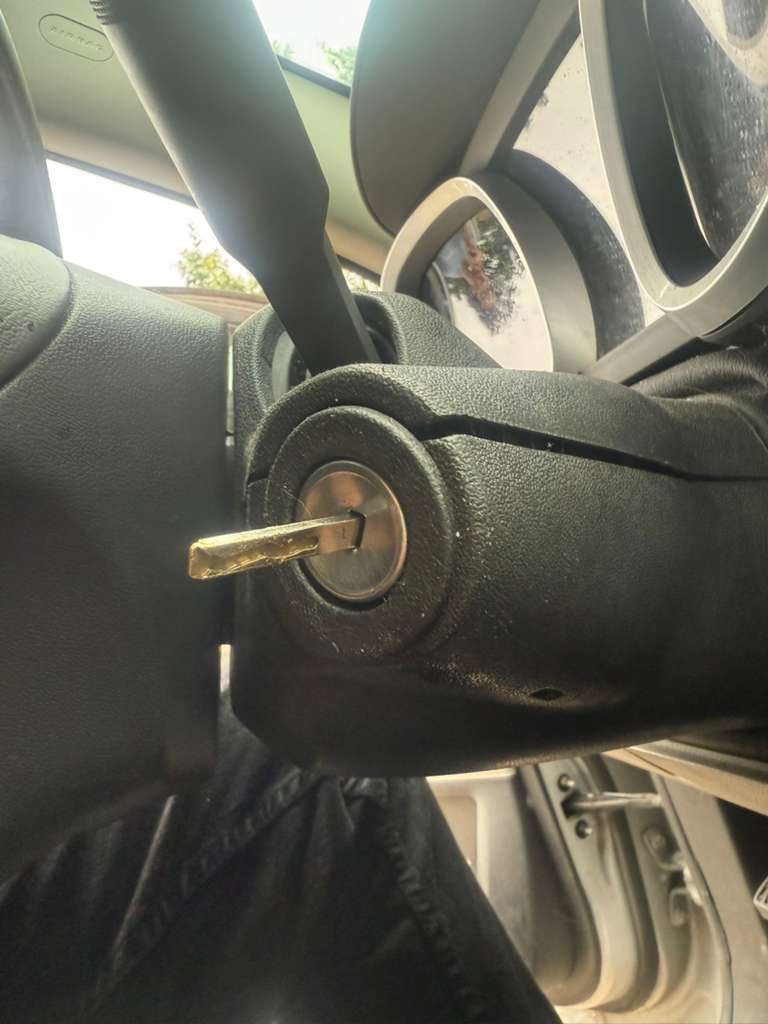
- The key broke in the lock.
- The fob is lost and you need a new key made on site.
- You tried safe steps and still no luck.
Call the dealer when:
- The car needs a key that must be programmed with special maker gear and your model is one of those rare cases.
- A recall or warranty covers the lock or fob.
Call roadside help when:
- You have a plan with your car brand or insurance and they can unlock your ride or send a locksmith.
- Your car is in a tight spot where a tow might be safer first.
Ways to help your locksmith help you faster
- Share the exact location. Lot level in a garage, side of the street, or near a landmark.
- Send the car make, model, and year. A photo helps.
- Say what you tried so far. It avoids repeats and saves minutes.
- If the car has special keys or push to start, share that too.
- Clear a little space near the driver door if the lot is crowded.
Why keys and locks act up in Houston
Heat soaks into the cabin. Plastics and rubber get soft. Sensors need clean surfaces to read your fob. Cold snaps make seals stiff. Quick rains splash door frames and make grime sticky. Here are tips that fit our city:
- Keep a small microfiber cloth in your door pocket. Wipe the handle area now and then.
- Store your spare fob in a cool, dry place at home.
- Do not leave your main fob on the dash or near vents. Heat wears batteries fast.
Small moves that prevent the next lockout
- Make a pocket routine. Same pocket every time. Phone left, keys right. Muscle memory beats stress.
- Use a carabiner clip or key leash when carrying bags or gym gear.
- Set a phone reminder for fob battery changes in spring and fall.
- When you park, look back at the seat and say out loud, keys. It feels odd, but it works.
If your keys vanished, try this quick search flow
- Check jacket, pants, hoodie, backpack, and the top of the fridge. Keys love to hide there.
- Peek under the driver seat at home and in the car next to yours. Yes, it happens.
- Retrace three steps, not twenty. Focus on the last door you used and the path to the car.
- Ask a friend to call out items while you search. Hearing it helps you see it.
What to do if the key breaks or the lock spins
A broken key in the door needs care. Do not push it deeper. Do not glue it. Keep the tip you still have. A locksmith can remove the piece and cut a fresh key. If the lock cylinder turns with no effect, it could be a clip inside the door. That is fixable on site for many cars.
Smartkeys and push to start tips
- Hold the fob close to the start button and try again. Many cars read the chip at close range even with a weak battery.
- Try the passenger side handle if the driver side sensor fails.
- If the car starts but you cannot shift, press the brake harder, then press the start button again.
Garage and driveway tricks
If your car is nose-in near a wall, signals can bounce and confuse sensors. Step to the side and try unlock. If you live in an apartment near heavy Wi-Fi, try holding the fob higher or lower. Sometimes a small move makes a big change.
Simple gear to keep in your car kit
- Coin cell batteries that fit your fob. Check the size marked inside the fob.
- Microfiber cloth for handles and fob.
- Small flashlight. You will thank yourself in a dark lot.
- Contact info for a trusted locksmith and for your car brand support.
Houston parking spots that need extra care
Tight garage ramps near the Galleria and crowded lots on Westheimer make it hard to open a door wide for tools. If you can, guide the locksmith to the side with more space. If the car is nose-in, share that detail when you call. It helps with tool choice.
How long should a lockout take
Many unlocks take a few minutes after the tech arrives. Some take longer. Factors include the car model, where it is parked, what tools fit, and if the alarm needs a special step. Good info from you cuts that time.
What if the alarm blares and neighbors stare
Stay calm. Put the key in the slot, or hold the fob to the start button, and start the car. That stops the alarm in most models. Then unlock the rest of the doors from inside. If the alarm keeps going, close all doors, lock the car, wait ten seconds, then unlock again.
Keep pets and kids safe during lockouts
If a child or pet is inside, call 911. Time matters. Shade the car if you can do so safely. Wave someone down for help. A locksmith can open fast, but emergency help should come first.
Damage-free unlock matters
A pro uses airbags and wedges to make a gap, then uses a long reach tool with care. Or they use the lock rod or special picks. Paint and weather strips need a light touch. The goal is simple, safe, and quick. If a tool does not fit the model, it does not get used.
Why DIY can go wrong
A wire hanger can slice a door seal. A flathead can dent a panel. A magnet string can snag a cable. These fixes look easy online, but cars vary a lot. A small mistake can turn a fast fix into a long repair. If the quick checks fail, call a pro.
FAQs
Q: Can a locksmith unlock my car without a key?
A: Yes, a trained tech can unlock most cars without damage. Many can also make and program new keys on site.
Q: My key fob light turns on but the car does not unlock. What now?
A: Stand close, press unlock twice, then try the passenger door or the trunk. If that fails, try the fob at the start button.
Q: Is it safe to use a slim jim on a newer car?
A: On many newer cars, no. Side airbags, tight seals, and cables can be harmed. A long reach tool with the right method is safer.
Q: How do I find the hidden key slot on my handle?
A: Look for a small notch under the handle cap by the driver door. Pop the cap off, and the slot is there. Your fob blade should fit.
Q: My car app says offline. What should I try?
A: Stand near the car, refresh the app, toggle phone data, then try unlock again. If the brand support line is available, call for a remote unlock.
Q: Can a locksmith make a key if I lost the only one?
A: For many cars, yes. The tech reads the lock, cuts a key, and programs a fob if needed. Some models may need special steps.
Q: Will unlocking set off my alarm?
A: It might. Once you are inside, start the car or place the key in the slot to stop the alarm.
Q: How often should I change my key fob battery in Houston?
A: Twice a year is smart. Heat wears batteries faster here. Keep a spare coin cell in your glove box or at home.
Q: What if my car is in a tight garage in Downtown and the door barely opens?
A: Share the details when you call. A locksmith brings the right tools to work in tight spots and will guide you for space if needed.
Q: Can rain stop my door from opening?
A: Heavy rain can swell seals and make handles slip. Wipe the area and try a firm pull while pressing unlock. Do not force it with tools.
Need help from a Houston pro?
If quick checks and simple tricks do not get you back in, ASAP Locksmith is ready to help across Houston and nearby areas. We unlock cars fast, cut and program many keys on site, and handle tricky makes and models with care. Call <tel:+1-832-404-0102>832-404-0102</tel:+1> or visit https://www.asap-locksmith-pros.com to get a pro on the way and get back on the road with less stress.