Busy entry doors wear out fast. The usual trouble spots are latch hold issues, loose cylinders, and worn strike plates. Latch not catching gets fixed with alignment and a latch clean or swap. A loose cylinder gets tightened or resecured with the right set screw or tailpiece. A chewed-up strike gets replaced with a longer, stronger plate and longer screws. That solves most day-to-day jams.
What fails first at busy doors
Think of a lock like a tiny athlete. Busy doors make it run sprints all day. The parts that move the most give out first.
- Latch hold issues: The latch stops catching. The door bounces back or you have to yank it.
- Loose cylinders: The key hole wiggles or backs out, and the key sticks or spins.
- Worn strike plates: The strike looks chewed, screws are short, and the hole is misshaped.
Each of these breaks starts small, then grows. Good news, the fixes are straight, fast, and do not need magic.

Why busy entries beat up locks
- Constant use: A retail door on Westheimer sees hundreds of turns a day. That is heavy wear.
- Vibration: Heavy foot traffic shakes the door and hardware. Screws work loose.
- Slamming: Closers set too fast cause door slams. Latches strike hard and wear faster.
- Weather: Heat, humidity, and rain make wood swell and metal rust. Parts rub.
Houston heat and humidity tie-in
Summer heat makes doors swell. Humid days near Buffalo Bayou add sticky moisture. Metal grows a bit in heat, wood swells, gaps shift, and the latch misses the strike. Cold snaps can shrink parts and change the fit again. Big rain can swell frames in older spots like The Heights. These swings cause misalignment, and misalignment causes latch misses.
Latch hold issues, symptoms and fixes
Common signs
- The door closes but pops open.
- You have to lift or pull hard to latch.
- The latch scrapes the strike and leaves metal dust.
Root causes
- Door shift from heat or humidity.
- Loose hinges or sagging frame.
- Dirty latch, dry parts, or a bent latch tongue.
- Strike plate out of place.
Fix steps
- Check hinge screws. Replace any short or stripped screws with longer ones that bite the stud.
- Clean and lube the latch with a dry PTFE spray. Avoid grease that collects dust.
- Mark rub spots with lipstick or painter’s tape, then shut the door. The mark shows where the latch hits.
- Move the strike slightly, up or down, in or out, using small changes. Tighten all screws.
- If the latch tongue is chipped or bent, swap the latch. Keep the same backset and faceplate size.
Loose lock cylinders, symptoms and fixes
Common signs
- The key hole turns a bit before the lock grabs.
- The cylinder looks proud of the trim.
- The key binds or will not go in straight.
Root causes
- Set screw loose on a mortise cylinder.
- Rim cylinder tailpiece cut wrong or backing plate loose.
- Knob or lever loose at the chassis.
- Thread wear, or wrong cylinder for the hardware.
Fix steps
- For mortise cylinders, remove the trim, align the cam to the lock body, then tighten the set screw. Use thread locker if allowed by the maker.
- For rim cylinders, check the tailpiece length and the backing plate. Tighten both evenly, do not overtighten.
- Re-seat the cylinder so it sits flush with the trim, not sticking out.
- If threads are stripped, replace the cylinder with the correct type. Match keyway and length.
Worn strike plates, symptoms and fixes
Common signs
- Strike lip dented or sharp.
- Screws short, loose, or missing.
- Latch hole egg-shaped, latch hits wood first.
Root causes
- Repeated slams and misalignment.
- Short screws that only bite the jamb, not the stud.
- Soft screws that shear off.
Fix steps
- Replace with a heavy duty strike plate. Use 3 inch screws that reach the stud.
- If the hole is off, chisel a clean pocket, then set the plate square. Keep edges even with the jamb.
- If the door has a deadbolt, install a security strike with long screws for better bite.
Other parts that fail at busy entries
- Door closers: Set too fast, the door slams. Set speed and latching speed so the latch has time to find the strike.
- Hinges: Loose hinge screws cause sag. Replace short screws with longer ones in the top hinge first.
- Latch springs: Tired springs cause weak latch return. Swap the latch or the lock chassis.
- Panic bars: End caps break, dogging fails, and rods fall out of sync. Rebuild kits help.
A quick Houston story
A small shop near The Galleria called us after a rainy week. The front door would not stay shut. The owner said, my door has a mind of its own. We found the top hinge loose, short screws, and a striker that had moved a hair. Longer screws, a new strike plate, and a latch clean made that door behave. The owner smiled, said the door finally acts right, like it had a cup of coffee.
How weather messes with alignment
- Heat: Metal and wood expand. Latch hits low or high.
- Cold snaps: Parts shrink. Gaps grow, and the deadbolt may miss.
- Humidity and rain: Wood swells, paint sticks, frames twist a bit.
- Wind: Doors slam, fasteners back out.
What we usually see in Houston, TX
- Latches that stick after summer heat on storefronts along Westheimer.
- Cylinders backing out on glass aluminum doors in Midtown and Downtown.
- Strike plates chewed up in older bungalows in The Heights and cottages in Bellaire.
- Door closers set too fast on shops near I-10 and Beltway 8.
Troubleshooting steps that work
- If the door bounces open, then slow the closer latching speed and check latch alignment.
- If the key binds on entry, then reseat or tighten the cylinder and check the cam or tailpiece.
- If the latch scrapes metal, then move the strike slightly and mark contact points first.
- If the deadbolt will not throw fully, then check hinge sag and frame swell, then adjust strike position.
- If screws keep backing out, then use longer, stronger screws that reach the stud and add thread locker.
- If the lever feels loose, then tighten the through bolts and check the chassis for wear.
- If the lock worked yesterday, then look for fresh changes, weather, new rug, new threshold, or a bumped strike.
Quick checks with simple tools
- A screwdriver, a small level tool is handy but use your eye for even gaps, tape for marking, and a flashlight.
- A credit card test, not to bypass, to see latch gap size. If the card slips in, the latch may not be set right.
- Door gap view, do you see even light from top to bottom. If not, adjust hinges.
Safety notes
- Support the door when removing hinge screws. Heavy doors can pinch fingers.
- Use eye protection when drilling or chiseling.
- Do not drill glass aluminum frames unless you know what is inside.
- Power closers have spring force. Make small changes. If parts look damaged, call a pro.
Choosing repair or replace
Repair fits when the body of the lock is sound, screws still bite, and the door is square. Replace when:
- The latch tongue is broken or chipped.
- The cylinder threads are stripped.
- The strike pocket is shredded and will not hold screws.
- The lock body has play and parts wobble.
If you replace, match the backset, handedness, door thickness, and function. Storefront doors use different hardware than wood office doors. Mortise locks need exact body size. Rim cylinders need the right tailpiece length. A quick phone photo of the edge and the face helps pick the right part.
How to keep busy entry doors in fighting shape
- Set the door closer so the door closes smooth, not slam. Use small turns to adjust.
- Keep screws tight. Check top hinge first, since it carries most of the load.
- Keep the latch clean. Dust and grit act like sandpaper.
- Use dry lube. Oil collects dust, and that turns into gunk.
Care schedule for busy entries
Weekly
- Wipe the lever, latch face, and strike with a dry cloth.
- Check door closer speed. If it slams, slow it a bit.
- Look for loose screws on the top hinge.
Monthly
- Tighten hinge screws and through bolts on the lock.
- Clean the latch and strike with alcohol wipes, then add a small shot of dry lube.
- Test the deadbolt with the door open. It should throw smooth by hand.
Yearly
- Remove the strike plate, clean the pocket, replace short screws with longer ones.
- Check weatherstrip. Replace if torn or too thick, since it can block the latch.
- Inspect cylinders. If the key drags or the plug wiggles, resecure or replace.
Common myths and real facts
- Myth: Graphite fixes every sticky lock.
Fact: Dry PTFE or silicone is cleaner in humid Houston. Graphite can cake up with moisture and dust. - Myth: If the key turns, the lock is fine.
Fact: A loose cylinder can still turn, while other parts are failing behind the scenes. - Myth: Bigger keys mean stronger locks.
Fact: Strength comes from the lock body, strike, and screws, not key size. - Myth: Slamming the door makes it latch better.
Fact: Slams beat up latches and strikes. Proper alignment is what you need.
Entry doors by building type
- Glass aluminum storefronts: Often use mortise locks or Adams Rite style hardware. Cylinders can back out if set screws loosen. Keep cams aligned and secure.
- Wood office doors: Grade 2 or 1 cylindrical locks hold up well, but hinge sag is common. Long screws in the top hinge help.
- Metal hollow doors: Good for busy back entries near loading areas. Check closer arms and latch strikes often.
Simple tools that help
- Screwdrivers, Phillips and flat.
- Drill with bits that fit your screws, use care on metal frames.
- Chisel for strike plate pockets on wood jambs.
- Dry lube, PTFE spray, and blue thread locker where needed.
- Painter’s tape or lipstick to mark latch contact.
When humidity is the villain
Houston air can feel like soup. Moisture swells wood frames, and paint can stick. The fix:
- Loosen the strike screws, nudge the plate toward the latch, then retighten.
- If the gap is tight at the top, tighten the top hinge with longer screws into the stud.
- Sand paint buildup around the strike pocket, keep edges square.
Quick dialogue you might hear at the door
You: Why does this door hate me today.
Door: I am swollen, friend. Give me a little nudge.
You: Fine, I will move your strike a hair and stop your slamming.
Door: Thank you. Now I close with grace.
Key control and cylinder wear
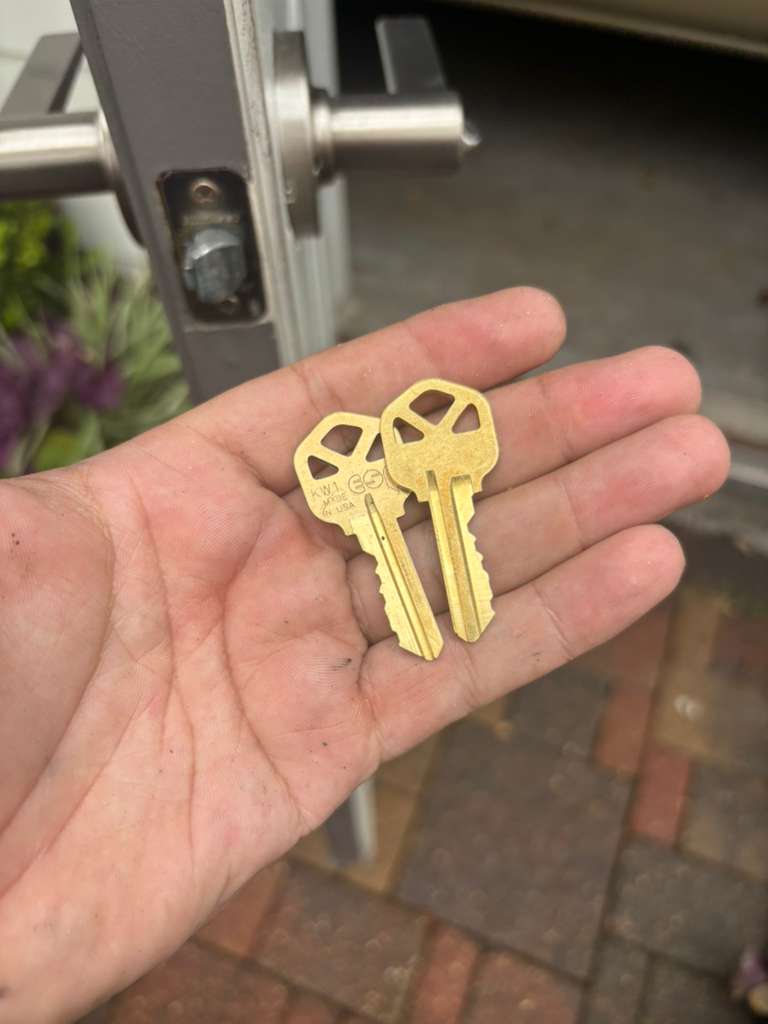
Busy entries can see many keys. Worn keys chew up pins. If a key looks shaved or bent, retire it. Rekey if you have unknown copies floating around. A clean keyway and fresh pins make the lock turn smooth. Do not spray oily stuff into the cylinder. It pulls grit inside.
When a latch keeps missing the strike
- Look at the reveal gaps. If the top gap is tight on the latch side, the door has sagged. Tighten or replace top hinge screws with longer ones.
- Check the threshold. New mats or a raised plate can push the door and change the latch angle.
- Check the door closer. If it slams shut, the latch may bounce off. Slow the last inch.
Busy entry checklist
- Can the door close by itself from 5 inches open.
- Does the latch click into the strike without help.
- Does the key turn with two fingers, no binding.
- Do screws feel snug, not stripped.
- Is the door even in the frame, light gap the same top to bottom.
When to call a pro
- Glass storefront hardware with mortise bodies and concealed rods.
- Panic devices that will not reset.
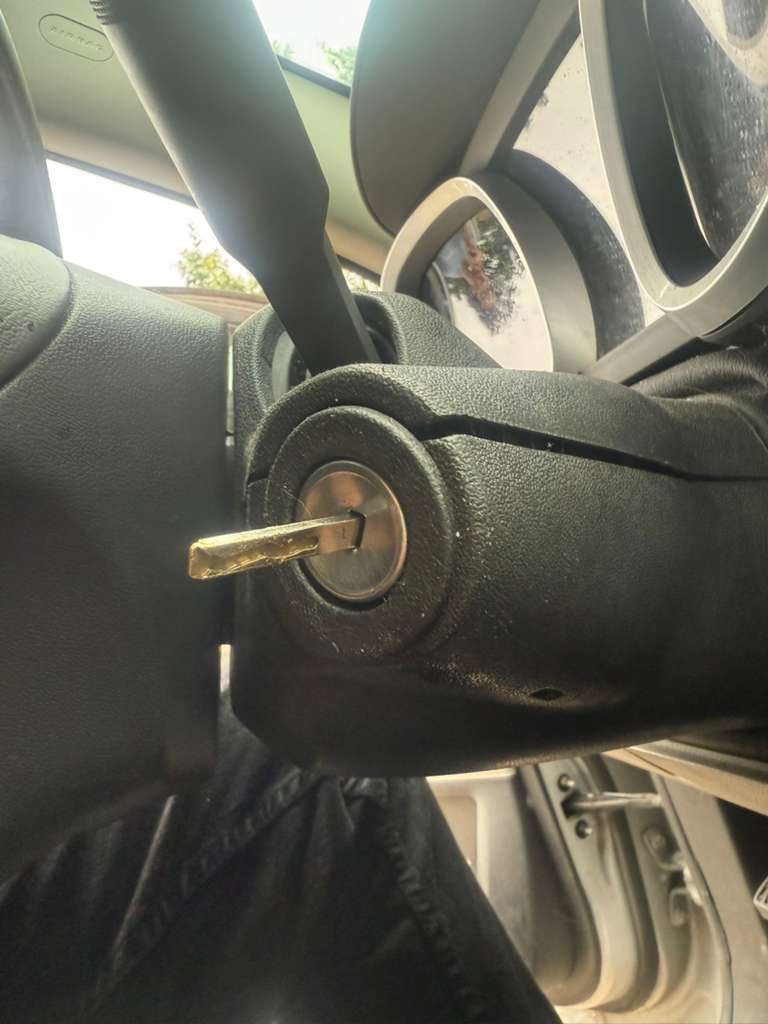
- Broken key in the cylinder.
- Doors with sag that need hinge shims or reinforcement.
- Situations where drilling is needed. Better to save the door and the frame.
FAQs
Q: What causes latch hold issues on busy doors
A: Misalignment from sag or weather, loose hinges, and worn strikes. Fix by tightening screws, cleaning the latch, and moving the strike slightly.
Q: How do I fix a loose lock cylinder
A: Tighten the set screw on mortise cylinders, or the backing plate on rim cylinders. Make sure the cam or tailpiece lines up, then seat the cylinder flush.
Q: When should I replace a strike plate
A: Replace it when the hole is egg-shaped, the lip is bent, or screws will not hold. Use a heavy duty strike and longer screws that reach the stud.
Q: Can Houston heat and humidity really affect my lock
A: Yes. Heat and moisture swell wood and shift gaps. That changes latch aim. A small strike move or hinge screw change often solves it.
Q: Is oil a good lube for locks
A: No. Oil grabs dust. Use a dry PTFE spray for the latch and a dry lube rated for cylinders.
Q: Why does my door slam even after I changed the closer
A: The closer likely needs tuning. Set closing speed and latching speed slow enough so the latch finds the strike without bounce.
Q: My key turns but the door stays locked. What gives
A: The cylinder may be loose or the cam not engaging the lock body. Reseat and secure the cylinder. Check for broken parts inside.
Q: What screws should I use for strikes and hinges
A: Use long screws, about 3 inches, that bite into the wall stud. That holds hardware firm and keeps alignment steady.
Contact ASAP Locksmith
Need help fast in Houston, TX. ASAP Locksmith handles latch hold issues, loose cylinders, worn strikes, door closers, and panic bars for busy entries across Houston, from Midtown to The Heights and along Westheimer. Call 832-404-0102 or visit https://www.asap-locksmith-pros.com for quick, friendly service that keeps your doors working and your day moving.